Understanding the Impact of Regulatory Objections on Insurance Rate Filings
A recent study reveals that 44% of insurance rate filings face regulatory objections, leading to significant delays. This article delves into the implications for insurers and policyholders alike.

In the insurance industry, timely approval of rate filings is crucial for maintaining competitive pricing and ensuring that companies can adequately cover their liabilities. However, recent findings from ZestyAI shed light on a pressing issue: a staggering 44% of insurance rate filings encounter at least one objection from state regulators, resulting in an average delay of 38 days. This delay not only impacts the insurers' financial health but also has significant repercussions for policyholders, who may face larger rate increases down the line.
ZestyAI's analysis, which reviewed tens of thousands of home, auto, and commercial property rate filings across all 50 states, underscores the challenges that insurers face in navigating the regulatory landscape. With nearly half of all filings receiving objections, understanding the reasons behind these delays and their consequences is essential for both insurers and consumers.

The Landscape of Insurance Rate Filings
Insurance companies regularly file rate adjustments to ensure that their premiums reflect current risk exposures and claims experiences. These filings are scrutinized by state regulators, whose primary role is to protect consumers from unjustified rate increases while ensuring that insurers remain solvent. However, the regulatory approval process can be fraught with complications.
Objection Rates Across Different Lines of Insurance
ZestyAI's report, titled "Approval Velocity 2026," highlights that homeowners insurance filings are the most contentious, with a 53.2% objection rate. Personal auto insurance follows closely behind at 50.7%, while commercial property filings see a lower but still significant objection rate of 34.3%. The analysis indicates that the state in which the filing is submitted often has a more pronounced effect on approval times than the line of insurance itself.
Predictability of Objections
Interestingly, many of the objections raised by regulators tend to follow predictable patterns. This predictability suggests that insurers could potentially avoid some of these objections by anticipating regulatory concerns and addressing them proactively in their filings. For instance, insurers submitting filings in catastrophe-prone states may need to provide detailed documentation regarding catastrophe-modeling disclosures, while others may need to demonstrate how rate changes will specifically affect individual policyholders.

The Domino Effect of Delays
One of the most concerning aspects of these regulatory delays is their ripple effect across states. Bryan Rehor, ZestyAI's senior director of regulatory and government affairs, explains that when one state experiences a prolonged objection cycle, it can disrupt the entire timeline for rate revisions in multiple other states. This is because rate changes operate on a fixed implementation schedule, meaning that delays can push back approvals for states that may not have raised any questions at all.
Case Studies: States with Slow Approvals
The report identifies California and New York as having the slowest overall approval rates across all lines of insurance, particularly impacting insurers looking to adjust rates in those markets. On the other end of the spectrum, states like Wisconsin, South Dakota, Alabama, New Mexico, and Arkansas demonstrate significantly faster approval processes, allowing insurers in those jurisdictions to implement necessary rate adjustments more swiftly.
- California and New York: Slowest for overall approvals.
- Maryland: Notably slow in personal auto and commercial property filings.
- New Jersey: Slowest for homeowners insurance applications.
- Wisconsin: Fastest approvals across all lines.
- South Dakota, Alabama, New Mexico, Arkansas: Also exhibit quick approval times.

Strategies for Insurers: Navigating the Approval Process
In light of these challenges, many insurers have begun adopting strategies aimed at simplifying their rate applications to expedite the approval process. While this might lead to quicker approvals, it can also result in less precise rates, which may not fully reflect the actual risk levels. Insurers are encouraged to prepare high-quality filings that are informed by prior experiences and common regulatory concerns.
Proactive Filing Approaches
By anticipating the questions regulators are likely to ask and incorporating those answers into initial submissions, insurers can significantly reduce the need for follow-up inquiries and expedite product rollouts. ZestyAI emphasizes that understanding the nuances of different state regulations can enable insurers to craft filings that not only meet compliance requirements but also resonate with consumer-focused objectives. This means clearly communicating how proposed rate changes will affect individual policyholders rather than simply presenting aggregate data.
Key Takeaways
- 44% of insurance rate filings face objections, leading to average delays of 38 days.
- Homeowners insurance filings have the highest objection rate at 53.2%.
- Delays in one state can disrupt the approval process in multiple neighboring states.
- Insurers are encouraged to simplify filings to expedite approvals, though this may impact rate accuracy.
- Proactive preparation and understanding of regulatory expectations can mitigate delays.

Frequently Asked Questions
What are the main reasons for regulatory objections to insurance filings?
Regulatory objections often arise from concerns about the adequacy of the proposed rates in relation to the risks covered, insufficient documentation, or failure to comply with state-specific requirements. Insurers may also face objections if their filings do not clearly demonstrate how rate changes will impact policyholders individually, or if they lack thorough catastrophe-modeling disclosures in states prone to severe weather.
How do delays in filing approvals affect consumers?
Delays in rate filing approvals can lead to larger rate increases for consumers. When insurers cannot adjust rates in a timely manner, they may find themselves underpricing their policies, which can erode their financial stability. Consequently, when these insurers eventually receive approval for rate increases, policyholders could experience 'rate shock'—a sudden and significant jump in premiums that could have been more manageable had the adjustments occurred sooner.
What states are known for quick insurance filing approvals?
States such as Wisconsin, South Dakota, Alabama, New Mexico, and Arkansas have been identified as having faster approval processes for insurance rate filings. Insurers in these states benefit from a more efficient regulatory environment, enabling them to implement necessary rate adjustments swiftly and respond effectively to changing market conditions and claims experience.
How can insurers improve their chances of approval?
To enhance their chances of securing timely approvals, insurers should focus on submitting high-quality filings that address common regulatory concerns upfront. This involves providing comprehensive documentation, anticipating likely questions from regulators, and clearly explaining how proposed rate changes will affect individual policyholders. By doing so, insurers can avoid unnecessary follow-ups and expedite the approval process.
Comments
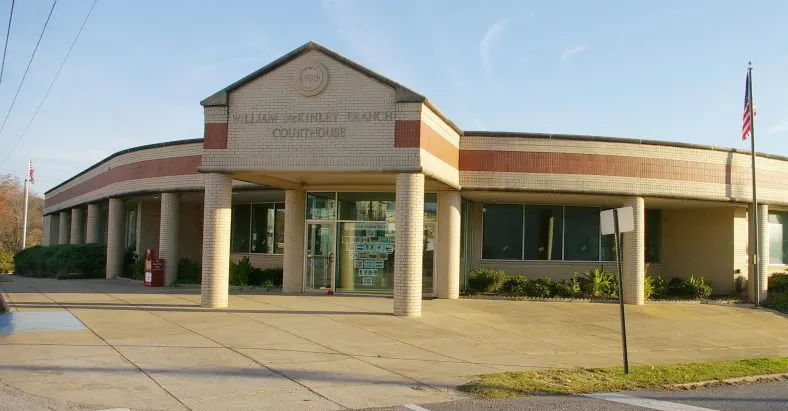
Alabama Courthouse Workers Sue Over Neglect: Insurer's Duty to Defend in Question
Thirty-two courthouse workers in Greene County, Alabama, are suing for injuries related to neglect and infestations. The case raises critical questions about municipal insurance responsibilities.
Related articles





Popular in Business Insurance
- Surging War-Risk Insurance Rates in the Strait of Hormuz: What It Means for Shipping
- Ross & Yerger Insurance Faces Class Action Over Data Breach Allegations
- Sompo Expands U.S. Workers' Compensation Portfolio with Service Insurance Acquisition
- Legal Battle Unfolds Over $1 Million Truck Crash Insurance Payout
- Howden Group's Ambitious Journey Toward IPO and Expansion