How Agentic AI is Transforming Cybersecurity Vulnerabilities
Recent findings reveal that while agentic AI is accelerating the discovery of cybersecurity vulnerabilities, it also highlights the evolving tactics of cybercriminals. Explore the implications for businesses and how they can bolster their defenses.
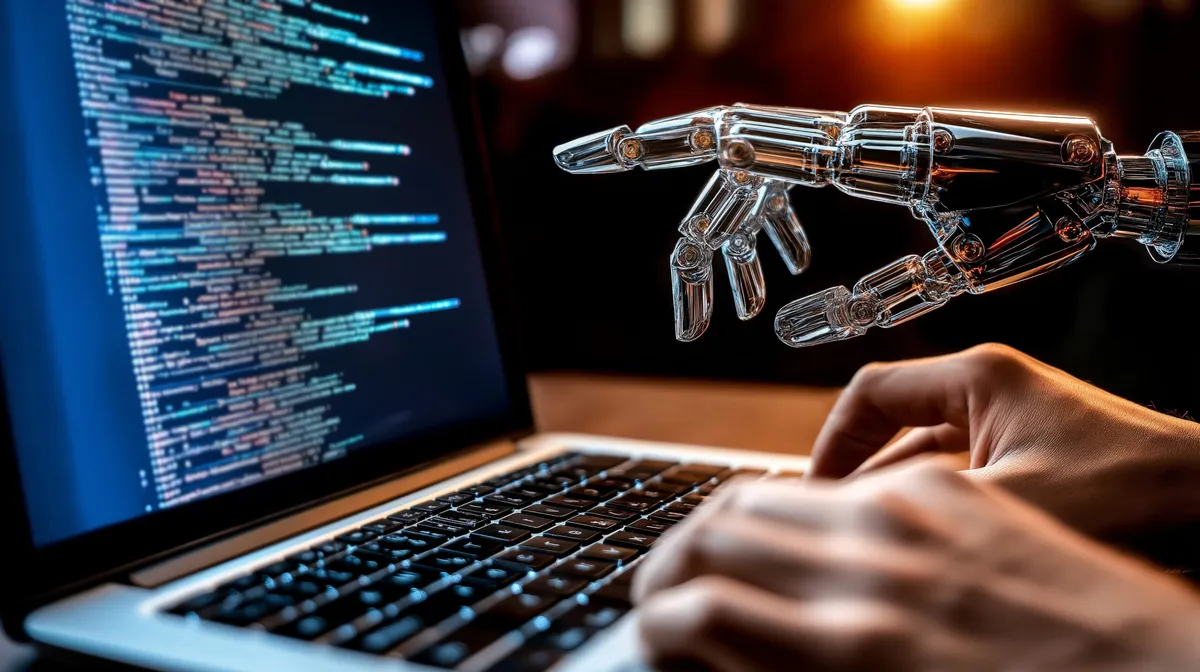
The rise of artificial intelligence (AI) in the cybersecurity landscape has become a double-edged sword. On one hand, agentic AI is rapidly advancing research in identifying cyber vulnerabilities; on the other, it is enabling hackers to refine their tactics in real-time. A recent report from Beazley Security’s Q2 2026 Quarterly Threat Report reveals a staggering 36% increase in newly disclosed vulnerabilities, a reflection of AI’s transformative impact on cybersecurity research. Yet, the number of vulnerabilities being actively exploited has only seen a modest rise of 10% during the same period, indicating that while AI is making significant contributions to vulnerability detection, it is also allowing cybercriminals to learn and adapt at an alarming rate.
Alton Kizziah, the CEO of Beazley Security, emphasized the current state of affairs in cybersecurity, stating, “The headline this quarter is that AI made the security industry’s job noisier without making the attacker’s job fundamentally different.” This statement captures the essence of the ongoing cyber battle: as defenders become more aware of vulnerabilities, attackers are quickly learning to exploit them using familiar techniques. With compromised credentials accounting for 67% of ransomware intrusions in Q2, businesses must remain vigilant in their cybersecurity practices.

The Rise of Vulnerabilities: What the Numbers Reveal
According to Beazley Security, the cybersecurity landscape is witnessing an unprecedented surge in vulnerabilities, with over 20,700 new vulnerabilities publicly disclosed in Q2 2026. Among these, nearly 5,600 were classified as high-risk, meaning they could be exploited remotely and pose a significant threat to organizations if left unaddressed. The report also indicated that 21 of these high-risk vulnerabilities prompted advisories to Beazley’s customers, marking a concerning 40% increase compared to the previous quarter.
Understanding High-Risk Vulnerabilities
High-risk vulnerabilities are those that, if exploited, could lead to severe consequences for organizations, including data breaches, financial losses, and reputational damage. Some key factors to consider regarding high-risk vulnerabilities include:
- Remote Exploitability: These vulnerabilities can be exploited from a distance without requiring physical access to the target system.
- Potential Impact: The consequences of exploitation can range from data theft to complete system takeover.
- Patch Availability: High-risk vulnerabilities should be prioritized for patching to mitigate potential threats.
Organizations must prioritize their response to these vulnerabilities, ensuring they have robust cybersecurity measures in place to address high-risk exposures effectively.

The Role of AI in Cybersecurity Research
Agentic AI is fundamentally changing how organizations approach cybersecurity research. By automating the identification of vulnerabilities and employing machine learning algorithms to analyze data, AI can quickly sift through vast amounts of information, uncovering weaknesses that might otherwise go unnoticed. This capability allows cybersecurity professionals to focus their efforts on remediation and strengthening defenses.
Current Trends in AI-Assisted Cyber Attacks
While the use of AI in research is advancing, attackers are also leveraging AI to enhance their strategies. For instance, AI can analyze patterns in security systems, making it easier for cybercriminals to identify weaknesses. Some trends in AI-assisted cyber attacks include:
- Automation of Attacks: Attackers can automate the process of scanning for vulnerabilities, allowing them to launch multiple attacks simultaneously.
- Real-Time Learning: Cybercriminals can adapt their techniques based on the success or failure of previous attempts, improving their methods over time.
- Credential Stuffing: AI can facilitate the use of stolen credentials to gain unauthorized access to systems.
As AI continues to evolve, it is crucial for organizations to stay ahead of these trends and implement AI-driven tools that enhance their security posture.

Maintaining Cyber Hygiene: Best Practices for Organizations
The findings from Beazley Security serve as a wake-up call for businesses to reassess their cybersecurity strategies. With the increasing prevalence of high-risk vulnerabilities, organizations cannot afford to be complacent. Here are some best practices to enhance cybersecurity:
- Regular Vulnerability Assessments: Conduct frequent assessments to identify and address vulnerabilities before they can be exploited.
- Employee Training: Educate staff on recognizing phishing attempts and the importance of maintaining strong, unique passwords.
- Implement Multi-Factor Authentication (MFA): MFA adds an extra layer of security, making it more difficult for attackers to gain access.
- Patch Management: Ensure that all systems and software are regularly updated to mitigate known vulnerabilities.
- Incident Response Planning: Develop and regularly test an incident response plan to ensure preparedness in the event of a cyber attack.
By following these best practices, organizations can significantly reduce their risk of cyber incidents and enhance their overall security posture.
Key Takeaways
- Agentic AI has led to a 36% increase in newly disclosed cyber vulnerabilities.
- Despite the rise in vulnerabilities, only a 10% increase in actively exploited vulnerabilities was recorded.
- Compromised credentials remain the primary method for ransomware attacks, accounting for 67% of incidents.
- High-risk vulnerabilities surged by 40%, necessitating immediate attention from businesses.
- Implementing robust cybersecurity hygiene practices is crucial for organizations to mitigate risks.
Frequently Asked Questions
What is agentic AI and how does it relate to cybersecurity?
Agentic AI refers to AI systems that can operate autonomously and make decisions based on real-time data. In cybersecurity, agentic AI is used to identify vulnerabilities, analyze threats, and enhance the efficiency of security measures. This technology enables faster discovery of vulnerabilities but also allows attackers to adapt their strategies quickly.
How can businesses protect themselves against cyber threats?
Businesses can safeguard themselves by implementing a multi-layered security approach. This includes regular vulnerability assessments, employee training on cybersecurity awareness, employing multi-factor authentication, and ensuring timely patch management. Having an incident response plan in place is also essential for minimizing damage in the event of a cyber attack.
What are high-risk vulnerabilities and why are they important?
High-risk vulnerabilities are security flaws that can be exploited by attackers to cause significant damage to an organization. These vulnerabilities are critical because they can lead to data breaches, financial loss, and reputational harm. Organizations must prioritize addressing high-risk vulnerabilities to protect their sensitive information and maintain trust with customers.
How does AI change the landscape of cyber attacks?
AI changes the landscape of cyber attacks by enabling attackers to automate their methods and learn from their experiences. This means that cybercriminals can quickly adapt their tactics based on the success or failure of previous attempts, making it more challenging for organizations to defend against these evolving threats. The use of AI in both research and attacks highlights the need for continuous vigilance and adaptation in cybersecurity strategies.
Comments
Alabama Courthouse Workers Sue Over Neglect: Insurer's Duty to Defend in Question
Thirty-two courthouse workers in Greene County, Alabama, are suing for injuries related to neglect and infestations. The case raises critical questions about municipal insurance responsibilities.

Related articles






Popular in Business Insurance
- Surging War-Risk Insurance Rates in the Strait of Hormuz: What It Means for Shipping
- Ross & Yerger Insurance Faces Class Action Over Data Breach Allegations
- Sompo Expands U.S. Workers' Compensation Portfolio with Service Insurance Acquisition
- Legal Battle Unfolds Over $1 Million Truck Crash Insurance Payout
- Howden Group's Ambitious Journey Toward IPO and Expansion