The Rising Risks of Heat and Water Scarcity: A Deep Dive into Asset Valuation
Moody's analysis highlights the growing threats posed by extreme heat and water scarcity, reshaping asset valuations across various sectors. Understanding these risks is essential for investors and businesses alike.
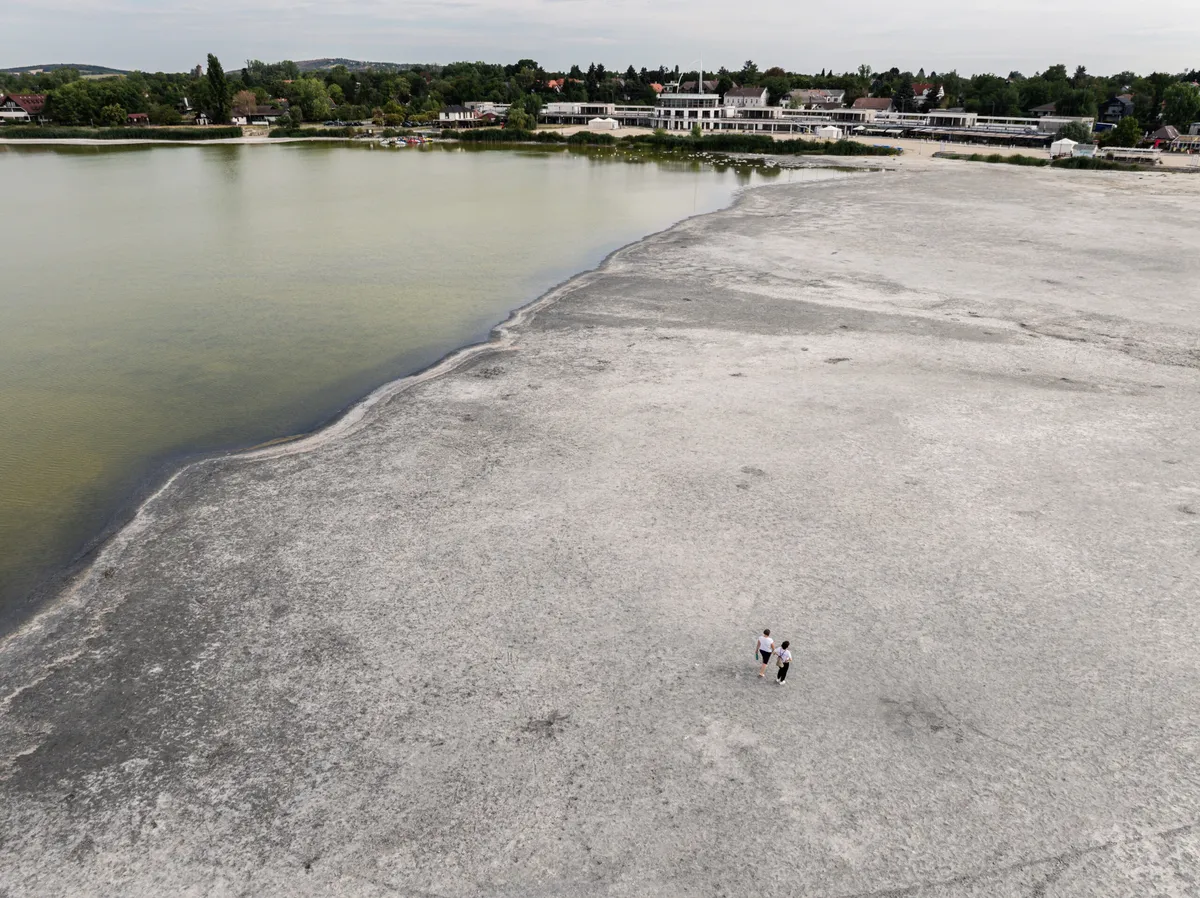
In an era marked by dramatic climate shifts, the convergence of extreme heat and water scarcity is emerging as a critical threat to asset valuations across multiple sectors. A recent report from Moody's has highlighted the interconnectedness of these two challenges, emphasizing that they now represent a unified risk landscape rather than isolated threats. As 2026 is projected to be the hottest year on record, the implications of this analysis demand urgent attention from investors and business leaders alike.
As extreme heat continues to impact productivity and operational costs, the ramifications extend beyond mere discomfort. The convergence of heat and water scarcity is accelerating, with significant effects on agriculture, manufacturing, and energy production. Mohsen Rahnama, managing director and head of catastrophe modeling and insurance solutions at Moody's, succinctly summarizes this urgency: "Heat and water are no longer separate perils moving on separate timelines. They are converging, and doing so quickly." Understanding this new reality is crucial for stakeholders who must navigate the complexities of a changing world.
Understanding the Risks: Heat and Water Scarcity
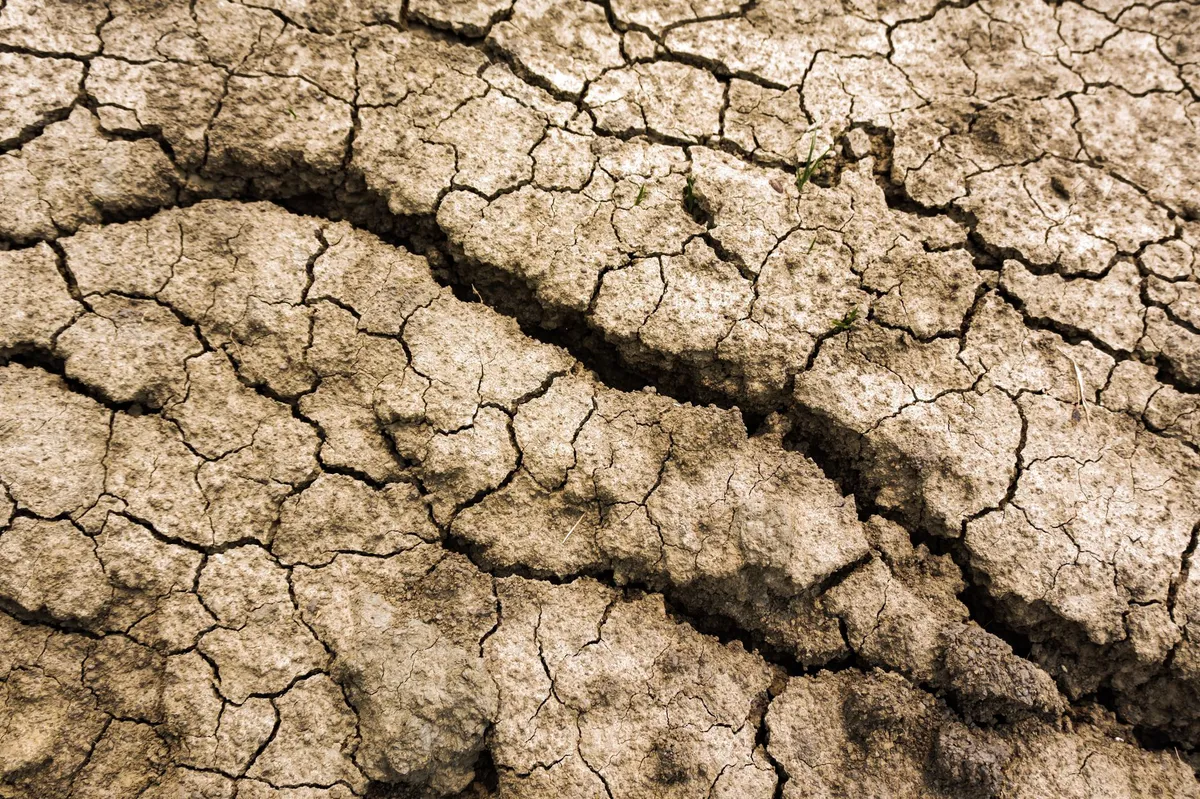
The report from Moody's sheds light on how the escalating heat and unreliable water supplies are driving stranded-asset risks. For investors and businesses, these risks translate into operational vulnerabilities, potential earnings volatility, and the looming threat of stranded assets—properties or resources that lose value due to environmental changes.
The Impact on Various Sectors
The ramifications of heat and water scarcity are extensive, affecting sectors such as:
- Agriculture: Farmers are witnessing reduced crop yields due to prolonged heat and inadequate water supply, jeopardizing food security and driving up prices.
- Manufacturing: Industries reliant on water for production processes, like textiles and semiconductors, face escalating costs and operational risks.
- Real Estate: Properties in high-risk areas may see declines in value as climate change renders them less desirable or even uninhabitable.
- Energy Production: Water scarcity can limit cooling processes in power plants, affecting energy generation and driving up costs.
As such, the convergence of heat and water challenges not only threatens individual asset valuations but also has broader implications for economic stability and inflation rates. The potential for disruptions in harvests and commodity supplies poses significant risks to economic growth.
The Financial Implications of Environmental Changes
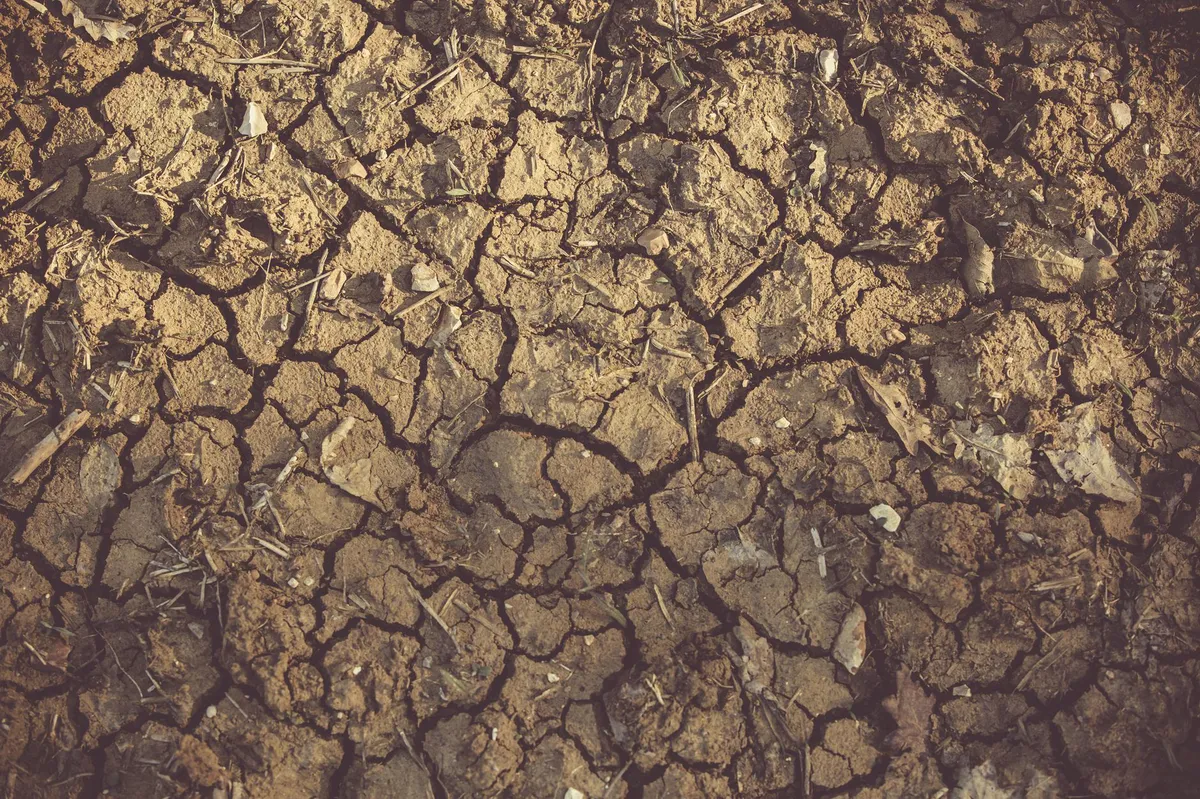
Moody's analysis indicates that the financial repercussions of heat and water scarcity are far-reaching. With approximately 49,000 water-intensive facilities in the U.S. projected to face high or very high water stress in the coming decades, the potential for economic strain is evident. Most of these facilities are in states like Texas and California, known for their heavy manufacturing and agricultural activities.
Insurers and the Challenge of Chronic Risks
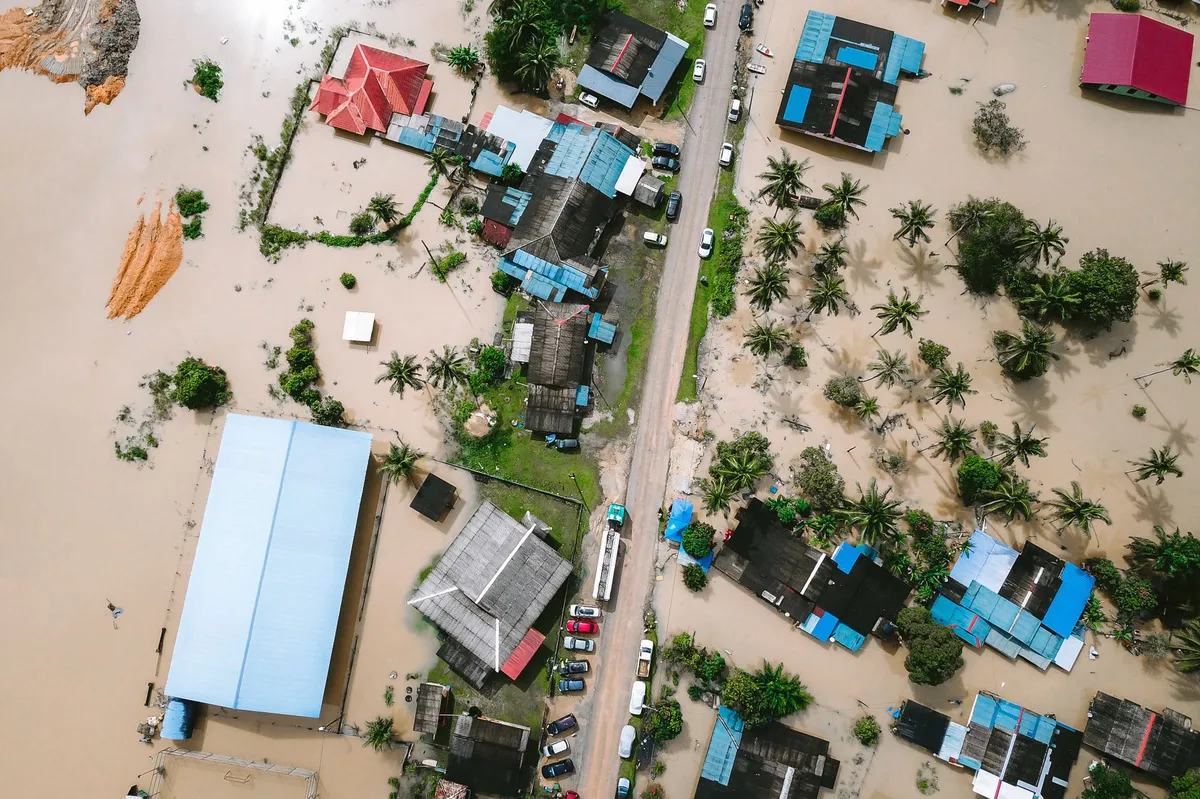
One of the significant challenges posed by these environmental changes is the difficulty insurers face in quantifying and pricing chronic risks. Traditional insurance models are often ill-equipped to handle the slow-moving nature of damage caused by heat and water scarcity. Rahnama notes that "losses from heat and water stress build slowly, are hard to model precisely, and tend to strike many policyholders in a region at once, overwhelming the usual diversification." This creates a complex environment for underwriters who must balance risk with profitability.
Adapting to the New Risk Landscape
As the convergence of heat and water scarcity becomes a permanent feature in the risk landscape, investors and businesses must adapt their strategies. Understanding the evolving nature of these risks is essential for making informed decisions. Here are some steps stakeholders can take:
- Risk Assessment: Regularly assess the exposure of assets to heat and water risks, using climate models and scenario analysis.
- Diversification: Diversify investments to mitigate risks associated with specific geographic regions or industries.
- Insurance Review: Re-evaluate insurance coverage and consider policies that address chronic risks more effectively.
- Investment in Resilience: Invest in infrastructure and technologies that enhance resilience to extreme weather conditions.
Key Takeaways
- Extreme heat and water scarcity are converging, posing significant risks to asset valuations.
- Approximately 49,000 U.S. facilities are projected to face high water stress in the coming decades.
- Traditional insurance models struggle to address chronic risks associated with climate change.
- Investors and businesses must adapt strategies to mitigate risks linked to environmental changes.
Frequently Asked Questions
What are stranded assets, and why are they a concern?
Stranded assets refer to investments that have lost their value or have become liabilities due to changes in market conditions, regulations, or environmental factors. As climate change impacts asset valuations, properties in vulnerable areas may become less desirable, leading to financial losses for investors and businesses. This is particularly concerning as investors seek to manage their portfolios amid evolving risks.
How can businesses assess their exposure to heat and water risks?
Businesses can assess their exposure by conducting thorough risk assessments that evaluate the vulnerability of their operations to heat and water scarcity. This involves analyzing geographical risks, understanding the supply chain's sensitivity to environmental changes, and utilizing climate models to forecast potential impacts. Regular assessments help businesses prepare for future challenges and adapt their strategies accordingly.
What role do insurers play in managing these risks?
Insurers are increasingly recognizing the importance of addressing chronic risks associated with climate change. They are adapting their products and underwriting processes to better capture the risks posed by heat and water scarcity. Insurers may also develop new coverage options specifically tailored to address these emerging threats, helping businesses mitigate potential losses and manage their financial exposure.
What can investors do to protect their portfolios from climate-related risks?
Investors can protect their portfolios by diversifying their investments across various sectors and geographies, thereby reducing exposure to specific risks. They should also stay informed about climate trends, engage in scenario analysis, and consider investments in companies that prioritize sustainability and resilience. Additionally, incorporating environmental, social, and governance (ESG) factors into investment decisions can help align portfolios with a changing risk landscape.
Comments
Navigating Supply Chain Risks Amid Tariff Uncertainties
The recent pause in tariffs on Canadian goods offers a temporary reprieve for businesses, but the underlying supply chain vulnerabilities remain. As companies adapt, insurance agents must guide clients through evolving risks and strategies.

Related articles




Popular in Business Insurance
- Surging War-Risk Insurance Rates in the Strait of Hormuz: What It Means for Shipping
- Ross & Yerger Insurance Faces Class Action Over Data Breach Allegations
- Sompo Expands U.S. Workers' Compensation Portfolio with Service Insurance Acquisition
- Legal Battle Unfolds Over $1 Million Truck Crash Insurance Payout
- Howden Group's Ambitious Journey Toward IPO and Expansion