California Insurance Commissioner Race: A Pivotal Moment for Brokers
The upcoming California Insurance Commissioner race could reshape the insurance landscape for brokers across the state. With skyrocketing premiums and contrasting visions from candidates Jane Kim and Ben Allen, understanding the implications is essential.

The race for California’s Insurance Commissioner this November is poised to be a watershed moment for brokers operating in one of the nation’s most challenging insurance markets. With average homeowners' premiums skyrocketing by a staggering 84% since the end of 2020, this election holds significant stakes for both property insurance and the brokers who navigate its complexities. As the office has never before featured a race between two Democratic candidates—former San Francisco Supervisor Jane Kim and State Senator Ben Allen—differences in their approaches could fundamentally shape how insurance is regulated and delivered in California.
The backdrop is alarming: average deductibles have risen from $1,813 to $2,553 during the same period, and enrollment in the FAIR Plan, California’s last-resort insurance option for homeowners unable to secure coverage through the private market, has increased from under 2% to approximately 5%. This surge in reliance on the FAIR Plan reflects a troubling trend that extends beyond traditional high-risk areas, affecting even suburban neighborhoods. As brokers attempt to secure coverage for clients amidst these daunting statistics, the future of California's insurance landscape hangs in the balance, heavily influenced by the policies of the new commissioner.

The Candidates and Their Visions
The contrasting visions of Jane Kim and Ben Allen offer a glimpse into the possible futures for California’s insurance framework. Kim, who emerged from a crowded primary with over 27% of the vote, advocates for a radical rethinking of insurance in the state. She proposes the establishment of a state-run catastrophe insurance authority aimed at providing wildfire and other disaster coverage to homeowners unable to find private options. This authority would be funded through a portion of the premiums already being paid to private carriers, essentially creating a public option for homeowners in distress.
On the other hand, Allen, who finished the primary with just over 19% of the vote, seeks to work within the existing private insurance market rather than establish a public alternative. His approach emphasizes shrinking the footprint of the FAIR Plan and pushing insurance carriers back into high-risk ZIP codes. Allen argues that the private market can regain its footing with increased capacity and enforcement mechanisms to address the claims complaints that have accumulated since the devastating 2025 fires.
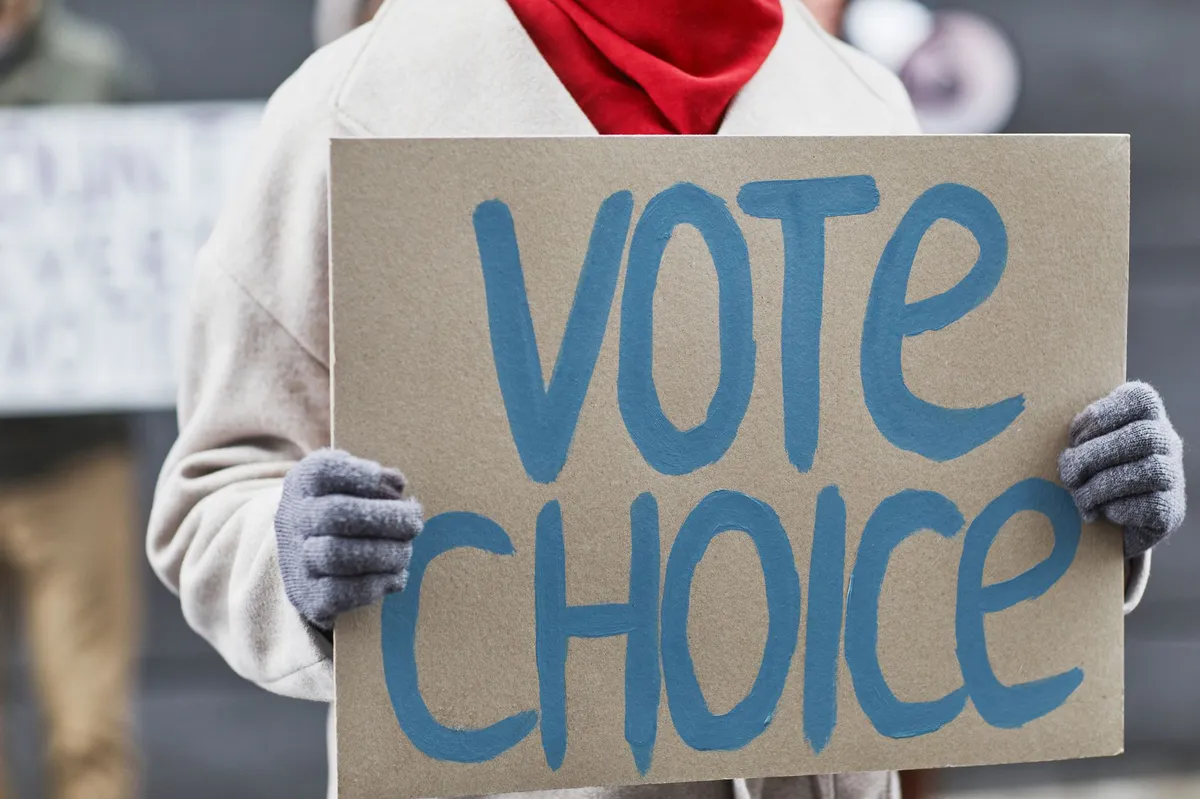
Impacts on Brokers and Clients
The implications of this election are vast for brokers and their clients. A state-run catastrophe authority, as proposed by Kim, could offer new avenues for coverage but also introduce competition that may disrupt traditional broker-client relationships. Conversely, Allen’s focus on strengthening the existing market could align better with brokers' current practices, allowing for a more predictable environment.
However, the question remains: how will the next commissioner handle the underwriting framework established by outgoing commissioner Ricardo Lara? Under Lara, brokers have benefited from mitigation-based underwriting incentives that allow for potential premium discounts for clients who retrofit their homes against wildfires. The effectiveness of such programs is crucial for brokers navigating a landscape where premiums and deductibles are already high.
- Average homeowner premiums in California have risen by 84% since 2020.
- Average deductibles have increased from $1,813 to $2,553.
- FAIR Plan enrollment has grown to approximately 5% of single-family homes.
- Mitigation credit varies significantly among carriers, complicating the broker's role.
- Funding for retrofit programs remains limited, impacting clients' ability to lower risks.

Legislative Landscape and Mitigation Efforts
California’s legislative landscape presents further challenges for brokers. Despite the introduction of 16 bills aimed at assisting homeowners with retrofitting their properties for better wildfire resilience, only two have successfully become law. One of these is AB 1, which mandates the Department of Insurance to periodically update its wildfire safety framework. The other, AB 888, established a grant program for retrofits but has so far only allocated a meager $3 million for initial proof-of-concept funding. This lack of meaningful financial support means that brokers cannot confidently advise clients about available funding for retrofitting efforts.
Moreover, while a wildfire-resilience loan program (SB 894) has gained traction, it remains uncertain how quickly these initiatives will translate into actual funding for homeowners. The costs associated with retrofitting can range anywhere from $2,000 to over $100,000, creating a significant barrier for many clients looking to protect their homes from wildfires. Until the financing mechanisms catch up with these costs, brokers may find themselves in a challenging position, advocating for mitigation strategies that clients cannot afford to implement.
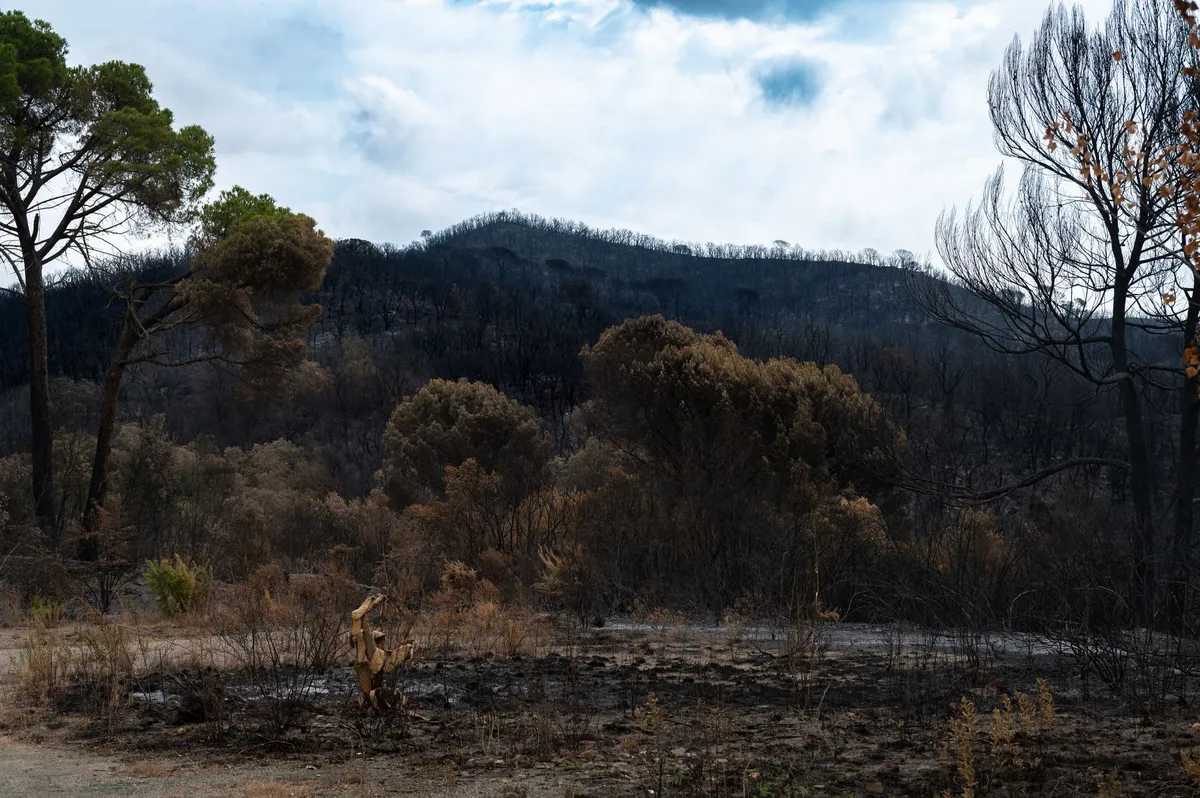
Political Landscape and Candidate Funding
The political dynamics surrounding the candidates provide further insight into how the upcoming election could shape the insurance landscape. Both candidates assert their commitment to rejecting campaign contributions from the insurance industry, but the influence of external funding is palpable. Business groups, particularly those aligned with the California Chamber of Commerce, have poured roughly $1.5 million into opposing Kim’s candidacy, while Allen has received substantial backing from tech entrepreneur Chris Larsen.
This financial backdrop underscores a broader tension within the Democratic Party regarding approaches to insurance reform. Allen has garnered formal endorsements from establishment figures in the party, while Kim has attracted support from labor unions and progressive activists. As the race progresses, the flow of money from insurance-related entities could significantly influence the candidates’ positions and the regulatory environment that brokers will operate within.
Key Takeaways
- The California Insurance Commissioner race could reshape the insurance landscape for brokers.
- Average homeowner premiums have seen an 84% increase since 2020, complicating coverage options.
- Kim’s proposal for a state-run catastrophe fund contrasts sharply with Allen’s focus on the private market.
- Legislative efforts to support retrofitting have seen limited success, affecting clients' risk mitigation.
- The financial backing of candidates reveals deeper divisions within the Democratic Party regarding insurance reform.
Frequently Asked Questions
What is the role of the California Insurance Commissioner?
The California Insurance Commissioner oversees the state's insurance industry, ensuring that companies operate fairly and transparently while protecting consumers. The commissioner's decisions can significantly influence insurance rates, coverage options, and the overall regulatory environment, making the position critical for both consumers and brokers alike.
How do the candidates' positions affect homeowners?
Jane Kim's proposal for a state-run catastrophe insurance authority aims to provide coverage for homeowners unable to secure private options, potentially offering a safety net during disasters. In contrast, Ben Allen's focus on enhancing the private market could lead to increased competition and potentially lower premiums for homeowners in high-risk areas. The outcome of this election directly impacts homeowners' choices and financial stability.
Why is mitigation important for homeowners and brokers?
Mitigation strategies, such as retrofitting homes to withstand wildfires, are essential for reducing risk and insurance costs. By adopting these measures, homeowners can not only protect their properties but also potentially lower their insurance premiums. For brokers, understanding and promoting these strategies is vital in helping clients navigate a challenging insurance landscape and secure better coverage options.
What should brokers do to prepare for the election's outcome?
Brokers should stay informed about the candidates’ policies and how they may affect the insurance market. Engaging with client discussions about mitigation strategies, understanding the legislative landscape, and adapting to potential changes in underwriting standards will be critical. Additionally, brokers should monitor funding developments for retrofitting programs to assist clients effectively.
Comments
Leadership Shifts in Insurance: Implications for the Industry
Recent leadership changes at key insurance firms highlight evolving strategies in the industry. Understanding these shifts can help stakeholders navigate the changing landscape.

Related articles





Popular in Business Insurance
- Surging War-Risk Insurance Rates in the Strait of Hormuz: What It Means for Shipping
- Ross & Yerger Insurance Faces Class Action Over Data Breach Allegations
- Sompo Expands U.S. Workers' Compensation Portfolio with Service Insurance Acquisition
- Legal Battle Unfolds Over $1 Million Truck Crash Insurance Payout
- Howden Group's Ambitious Journey Toward IPO and Expansion