Flock Safety's License Plate Reader Changes: Balancing Surveillance and Privacy
Amid growing concerns over privacy and potential abuses, Flock Safety announces significant changes to its license plate reader technology. This article explores the implications of these changes for law enforcement and civil liberties.
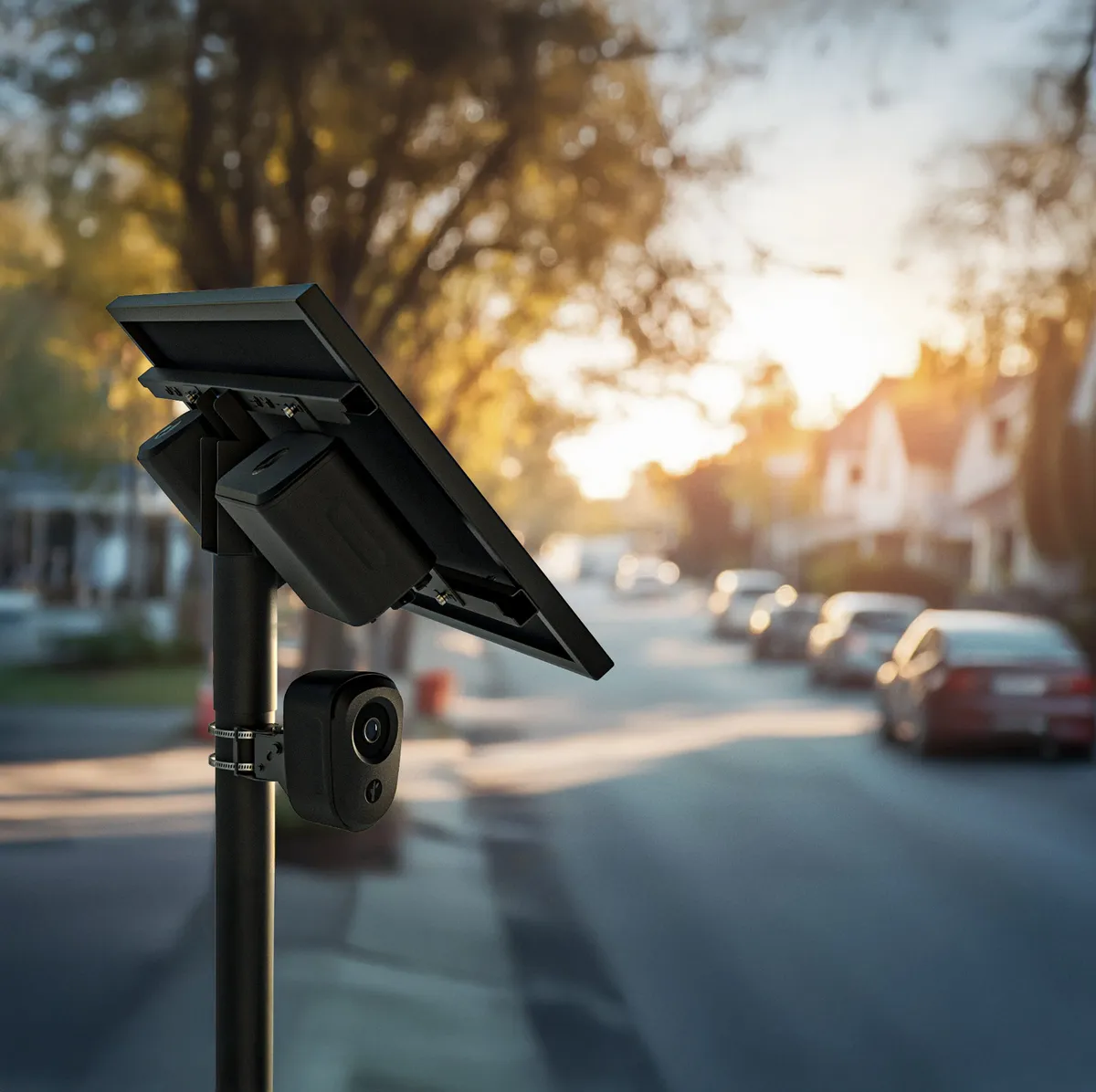
In a landscape increasingly defined by surveillance technology, Flock Safety finds itself at a crossroads. The Atlanta-based company, which operates an extensive network of automated license plate readers (ALPRs) across the United States, recently announced a series of changes intended to address growing backlash from lawmakers, civil liberties organizations, and the public. As the line between effective crime-fighting tools and invasive surveillance blurs, Flock's adjustments aim to mitigate concerns about privacy abuses while maintaining their utility for law enforcement.
Flock's license plate reader network records the license plate numbers and characteristics of vehicles passing its cameras, enabling law enforcement agencies to access and share data across jurisdictions. While many police departments praise the system for its role in solving crimes, critics argue it contributes to a culture of warrantless surveillance that undermines civil liberties. With over fifty jurisdictions having reconsidered their contracts with Flock this year alone, the company faces mounting scrutiny. In light of this, the recent changes could represent a pivotal moment for both Flock and the ongoing discussion about surveillance technology in America.
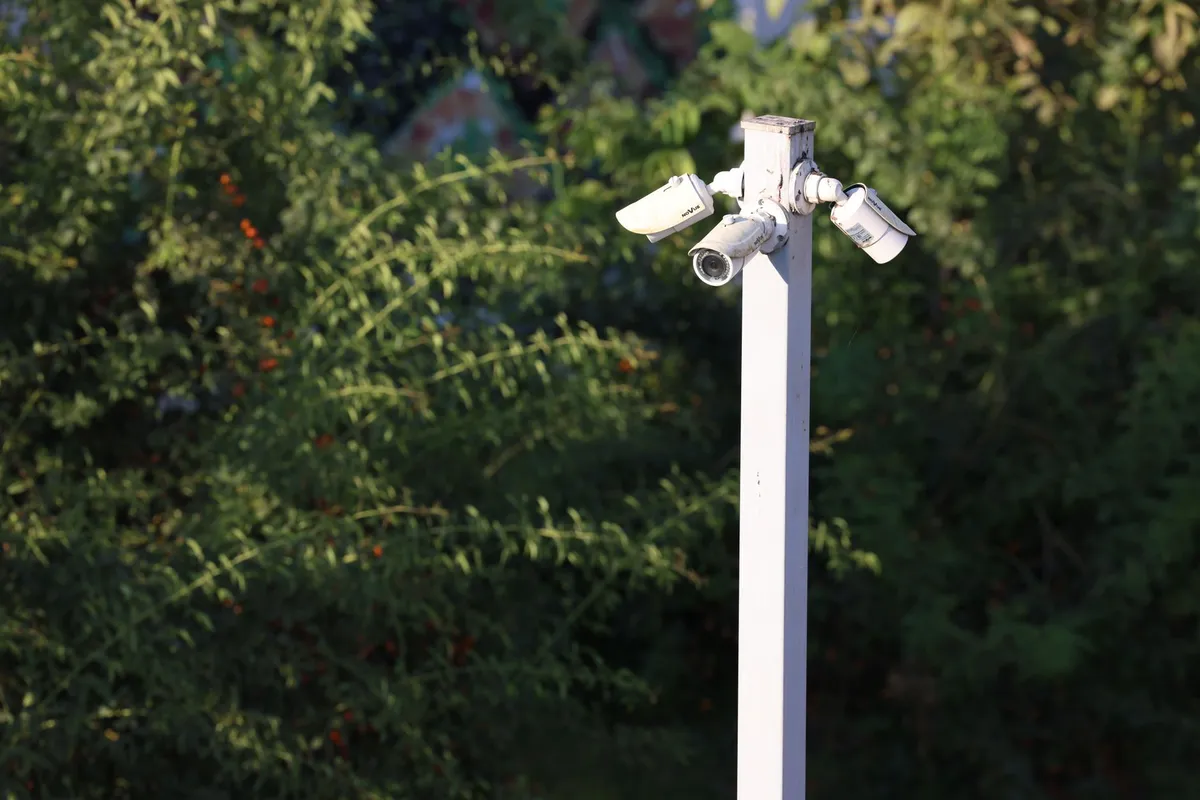
Flock's New Protocols: Enhancing Accountability
In a bid to enhance accountability and quell concerns about misuse, Flock's CEO Garrett Langley outlined several key changes. By January 1, law enforcement users will be required to implement an audit tool designed to flag abnormal search behavior. This tool will temporarily lock out users pending a review if suspicious activity is detected. Such measures aim to prevent misuse of the technology, particularly instances where officers might conduct personal searches unrelated to their duties.
Changes to Data Retention and Access
Another significant change involves the data retention policy. Flock is reducing the standard retention period from thirty days to seven days, with exceptions for data deemed evidence related to specific cases. This shorter retention window addresses concerns about the potential for law enforcement to misuse data that could linger unnecessarily. Furthermore, users must now enter a code linking each search to a specific case, a change long advocated by civil liberties groups. This measure aims to ensure that searches are justifiable and tied to legitimate law enforcement activities.
Customizable Access for Law Enforcement
Flock is also introducing customizable features that allow individual departments to designate which types of offenses can be searched by outside agencies. This development enables law enforcement agencies to restrict access to their data for purposes such as immigration enforcement, aligning the use of the technology with community values. While these adjustments are seen as steps toward accountability, critics remain skeptical about their efficacy.

Criticism and Skepticism: Are the Changes Enough?
Despite Flock's efforts, many critics argue that the changes may still fall short of preventing abuse. Organizations such as the American Civil Liberties Union (ACLU) have characterized Flock's modifications as insufficient, arguing that they do not adequately address the fundamental issues surrounding police discretion in accessing data. Robert Frommer, a senior attorney at the Institute for Justice, described the changes as mere “window dressing,” asserting that the core problem lies in allowing police to decide who and when to search without appropriate judicial oversight.
Experts in the field of law enforcement and civil liberties point out that the technology's potential for misuse is not a new concern. Ian Adams, an associate professor of criminology, notes that issues of unauthorized searches by officers have long been problematic in policing, indicating a need for more comprehensive solutions that prioritize both effective policing and civil rights. The ongoing debate reflects a broader tension within the field: how to balance the utility of advanced technologies with the protection of individual rights.

Community Backlash and Legislative Response
The backlash against Flock's technology has been substantial, as evidenced by the over fifty jurisdictions that have canceled, suspended, or rejected contracts with the company. Grassroots organizations like DeFlock have emerged to track the use of license plate reader technology and advocate for stricter regulations. This growing community movement underscores a rising public sentiment against constant surveillance and the need for a more transparent approach to data collection.
Legislative Actions and Future Implications
On a federal level, legislative responses have begun to take shape. In July, Republican representatives introduced at least two bills aimed at restricting the use of ALPR technology. These legislative efforts highlight the increasing political will to address concerns surrounding surveillance practices, reflecting a bipartisan recognition of the potential for abuse inherent in such technologies. As these discussions unfold, Flock and similar companies may find themselves subject to more stringent regulatory environments that could shape the future of surveillance technology in law enforcement.
Success Stories Amidst Controversy
Flock Safety often highlights its successes, touting instances where its technology has been pivotal in locating missing persons and apprehending criminals. Such narratives are critical in framing the utility of ALPR systems as a tool for public safety. However, these successes are juxtaposed against instances of misuse, which have garnered significant media attention. Reports have revealed numerous cases of police officers using the cameras for unauthorized searches, including tracking romantic partners and family members.
High-profile cases, such as the search for a suspect in a fatal shooting at Brown University and the apprehension of a former police officer threatening mass violence, illustrate both the potential benefits and drawbacks of Flock's technology. Yet, as the scrutiny intensifies, the balance between public safety and privacy continues to be a contested battleground.

Key Takeaways
- Flock Safety's recent changes aim to enhance accountability in the use of its license plate reader technology.
- New protocols include shortened data retention periods and mandatory audit tools to flag suspicious searches.
- Critics remain skeptical, emphasizing the need for judicial oversight in search decisions.
- Community backlash has led to over fifty jurisdictions reassessing their contracts with Flock.
- Legislative efforts are emerging to regulate the use of surveillance technology more strictly.
Frequently Asked Questions
What is Flock Safety's license plate reader technology?
Flock Safety operates a nationwide network of automated license plate readers that capture and store data on passing vehicles. This technology is utilized by law enforcement agencies to aid in investigations and enhance public safety. However, it has faced criticism for contributing to mass surveillance and potential abuses by police officers.
How have communities responded to Flock's technology?
Many communities have expressed concerns about the implications of constant surveillance, leading to over fifty jurisdictions reevaluating their contracts with Flock. Grassroots movements have emerged to advocate for stricter regulations and greater transparency regarding the use of surveillance technologies.
What are the implications of Flock's changes for privacy rights?
Flock's announced changes aim to address privacy concerns by implementing measures such as shorter data retention periods and mandatory audits of search behavior. However, critics argue that these measures may not be sufficient to prevent misuse, highlighting the need for more robust safeguards to protect civil liberties.
Are there any legal actions being taken against Flock Safety?
While specific legal actions against Flock Safety were not detailed in the recent announcements, there have been legislative efforts introduced in Congress aimed at restricting the use of surveillance technologies like ALPRs. These actions signal a growing concern among lawmakers about the potential for abuse and the need for stricter oversight of surveillance practices.
Comments
Leadership Shifts in Insurance: Implications for the Industry
Recent leadership changes at key insurance firms highlight evolving strategies in the industry. Understanding these shifts can help stakeholders navigate the changing landscape.

Related articles





Popular in Business Insurance
- Surging War-Risk Insurance Rates in the Strait of Hormuz: What It Means for Shipping
- Ross & Yerger Insurance Faces Class Action Over Data Breach Allegations
- Sompo Expands U.S. Workers' Compensation Portfolio with Service Insurance Acquisition
- Legal Battle Unfolds Over $1 Million Truck Crash Insurance Payout
- Howden Group's Ambitious Journey Toward IPO and Expansion