The Modern Train Robbery: A $200 Million Challenge for Railroads
A surge in train thefts has left US railroads grappling with over $200 million in losses annually. This article explores the causes, impacts, and responses to this growing crime wave.

In a scene reminiscent of classic Westerns, but set in the modern era, a group of thieves pulled off a brazen heist at a CSX rail yard in Memphis, Tennessee. With the cover of darkness as their ally, they emerged from a black Kia Soul, climbed atop railcars, and made off with over $20,000 worth of goods, including clothing and toys. This theft is just one of many in a disturbing trend that has escalated dramatically since the onset of the COVID-19 pandemic, with rail thefts quadrupling in frequency. The total losses now exceed $200 million annually, making this a pressing issue for rail operators across the United States.
The pandemic disrupted traditional supply chains, forcing criminal enterprises that once relied on drug trafficking to pivot towards theft. Urban rail hubs like Chicago, Los Angeles, and Memphis have become hotspots for these modern bandits, leading to a staggering 75,000 thefts reported in 2025 alone. As railroads struggle to keep their goods safe, they are investing heavily in security measures to combat this rising tide of crime.

The Surge in Train Thefts: A Pandemic Phenomenon
The recent spike in train robberies can be traced back to the supply chain disruptions caused by the pandemic. As lockdowns forced many businesses to close, the demand for physical goods surged, while traditional avenues of crime became less viable. Criminal gangs, particularly those involved in drug trafficking, found new opportunities in rail thefts, which proved to be an accessible source for high-value items.
Key Statistics
- Over $200 million lost in rail thefts in 2025.
- 75,000 reported thefts from freight rail networks.
- Notable incidents include thefts of unreleased Nike shoes valued at $440,000.
- More than $900,000 in tires stolen from CSX trains in 2023 alone.
Criminal Tactics and Targeted Goods
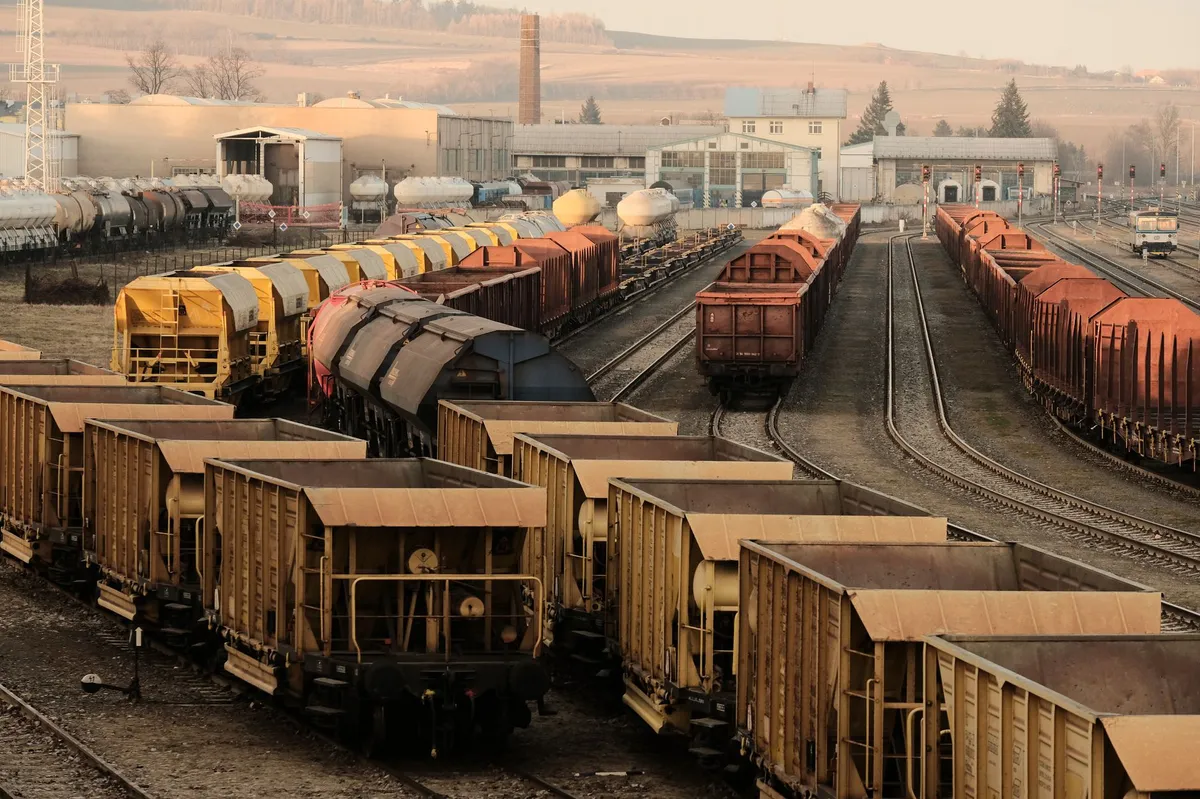
The tactics employed by modern thieves have evolved. Rather than armed robberies, many thefts resemble break-ins at storage facilities. These gangs typically target high-value items like electronics, luxury clothing, and alcohol. The lengthy trains, sometimes stretching up to three miles, are often left vulnerable during predictable stop times at depots, making them easy targets. Thieves have become adept at stealing goods quickly, sometimes taking tens of thousands of dollars' worth of items in mere minutes.
Some gangs, particularly those operating around Memphis, have been identified as affiliated with local street gangs, such as the Gangster Disciples and the Crips, while others have connections to larger transnational criminal networks based in Mexico. These organizations are increasingly sophisticated, employing strategies such as sabotaging tracks or cutting brake lines to create opportunities for theft.

Railroad Industry Responses
In light of the rising thefts, major freight carriers like Union Pacific, BNSF Railway, and CSX are investing millions into enhanced security measures. Union Pacific has allocated over $30 million to security projects, which include the deployment of drones equipped with thermal imaging and the installation of high-security barriers. CSX has fortified its depots, spending approximately $7.5 million on fencing and surveillance technology that employs artificial intelligence for real-time monitoring.
Technological Innovations
The integration of technology is crucial in combating these thefts. AI-powered cameras help identify vehicles used in thefts, even if license plates are swapped. These advancements have already shown promise; CSX reported an 80% reduction in thefts in the Memphis area year-over-year, demonstrating the effectiveness of their investment in security.

Legal and Regulatory Challenges
Despite the proactive measures being taken by rail companies, legal challenges remain. Many thieves receive relatively light sentences unless apprehended with weapons or during violent incidents. With law enforcement resources stretched thin, particularly in cities plagued by violent crime, prosecuting rail thefts often takes a back seat. The railroads have lobbied for stronger legal frameworks to deter such crimes.
Legislative Efforts
The Combating Organized Retail Crime Act, recently passed by the House, aims to address these challenges by equipping law enforcement with stronger legal tools to combat rail theft. This includes provisions for criminal forfeiture of stolen goods and aggregating theft values for more significant charges, which could lead to tougher penalties for repeat offenders.
Key Takeaways
- The US rail industry faces over $200 million in annual theft losses.
- Thieves are increasingly targeting high-value goods during predictable stop times.
- Rail companies are investing heavily in technology and security upgrades.
- Legislative efforts are underway to strengthen penalties for rail theft.
Frequently Asked Questions
What types of goods are most commonly targeted in train thefts?
The most commonly targeted goods include electronics, luxury clothing, alcohol, and automobile tires. Thieves often opt for high-value items that are easy to resell, either through online marketplaces or to small businesses. This focus on lucrative niches makes rail thefts an attractive option for criminal gangs.
How are railroads improving security against thefts?
Railroads are enhancing security through significant investments in technology and physical barriers. This includes the use of AI-powered surveillance cameras, drones with thermal imaging capabilities, and extensive fencing and barriers to deter thieves. These measures have proven effective, with some rail yards reporting dramatic reductions in thefts as a result of these enhancements.
What challenges do law enforcement face in prosecuting train thefts?
Law enforcement faces several challenges in prosecuting train thefts, primarily due to the prioritization of violent crime in many urban areas. Many thefts result in minor charges, and suspects are often released on bail. Additionally, the lengthy process of getting burglary cases before a judge can delay justice, making it difficult to hold offenders accountable.
What legislative measures are being taken to combat rail theft?
Legislative measures such as the Combating Organized Retail Crime Act are being pursued to provide law enforcement with better tools to combat rail theft. This includes measures for criminal forfeiture of stolen goods, expansion of money-laundering statutes, and increased penalties for repeat offenders. These legislative efforts aim to create a more robust legal framework to deter rail theft and protect both rail operators and consumers.
Comments
Leadership Shifts in Insurance: Implications for the Industry
Recent leadership changes at key insurance firms highlight evolving strategies in the industry. Understanding these shifts can help stakeholders navigate the changing landscape.

Related articles







Popular in Business Insurance
- Surging War-Risk Insurance Rates in the Strait of Hormuz: What It Means for Shipping
- Ross & Yerger Insurance Faces Class Action Over Data Breach Allegations
- Sompo Expands U.S. Workers' Compensation Portfolio with Service Insurance Acquisition
- Legal Battle Unfolds Over $1 Million Truck Crash Insurance Payout
- Howden Group's Ambitious Journey Toward IPO and Expansion