HDI Global Sets Course for U.S. Expansion with New Leadership and Strong Financials
HDI Global is poised for significant growth in the U.S. insurance market under new CEO Shadi Albert, following impressive financial results in the first half of 2026.

In a strategic move to bolster its presence in the competitive U.S. insurance market, HDI Global has appointed Shadi Albert as the new CEO of its U.S. operations. This leadership transition comes as the company reports solid financial results for the first half of 2026, signaling a promising outlook for the insurer. With a combined ratio improvement and a commitment to enhancing broker relationships, HDI Global is set to embark on an ambitious four-year growth plan aimed at establishing itself as a premier corporate and specialty insurer.
As the insurance industry continues to navigate challenges ranging from natural disasters to economic fluctuations, HDI Global's recent performance reflects a blend of disciplined underwriting and strategic investments. The company’s financial metrics not only indicate resilience but also pave the way for innovative approaches to underwriting and client engagement.
Financial Performance Highlights
HDI Global's financial results for the first half of 2026 reveal a significant improvement in its operational efficiency. The combined ratio, a key indicator of an insurance company's profitability, decreased to 90.7% from 91.6% in the same period last year. This reduction suggests that the company is effectively managing its claims and underwriting costs, which is critical in maintaining competitive pricing and ensuring long-term viability in the market.
One of the most notable changes contributing to this performance is the reduction in large loss payments, which fell to €92 million from €142 million a year earlier. Large loss payments are typically a significant drain on an insurer's resources, and managing these effectively can greatly enhance profitability. Moreover, the insurance service result rose by 8%, from €430 million to €465 million, demonstrating robust operational performance.

Strategic Focus on Underwriting Excellence
Edgar Puls, the CEO of HDI Global SE, emphasized the importance of disciplined execution and strategic focus on underwriting excellence. He noted that “the strength and resilience of HDI Global's business model” were evident in this period’s results. The company has successfully managed to keep its insurance revenue stable at approximately €5.0 billion, only slightly down from €5.1 billion the previous year. This stability amid fluctuating market conditions speaks to the effectiveness of HDI Global's risk management strategies.
Leadership Changes and Growth Initiatives
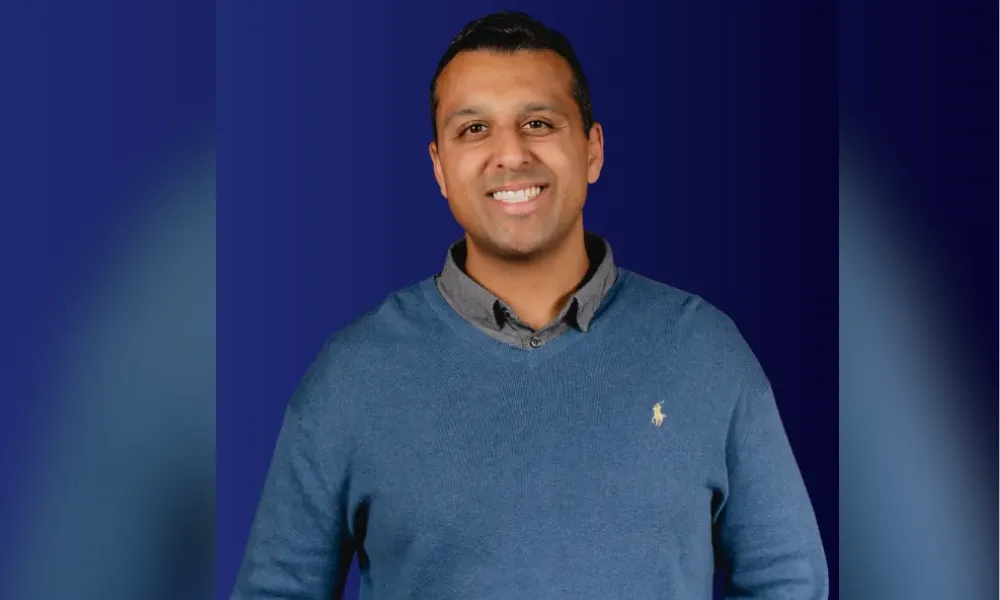
Shadi Albert's appointment as CEO marks a pivotal moment for HDI Global's U.S. operations. With over 23 years of leadership from his predecessor, Jim Clark, Albert is set to introduce fresh perspectives and innovative strategies to enhance the company's market footprint. Under his guidance, HDI Global aims to invest in talent, technology, and national expansion to build stronger ties with brokers and clients.
Albert has articulated a clear vision for the organization, stating, “Our focus is on disciplined execution... while making it easier for brokers and clients to do business with us.” This commitment to improving broker relationships is crucial in an industry where partnerships can significantly influence market share and customer loyalty.

Xcelerate29 Strategy for Profitable Growth
HDI Global's U.S. expansion is framed under the Xcelerate29 strategy, which is designed to achieve profitable growth through specialty insurance expansion and enhanced broker collaboration by 2029. This strategic roadmap outlines a vision for the future, emphasizing the importance of adapting to market demands and fostering enduring partnerships within the insurance ecosystem.
Market Context and Future Prospects
The global insurance landscape is undergoing significant transformation, driven by technological advancements, changing consumer expectations, and evolving regulations. For HDI Global, the U.S. market represents one of the most vital arenas for growth. Operating through three wholly owned subsidiaries licensed across all 50 states and Washington, D.C., HDI Global is strategically positioned to leverage its global underwriting expertise to meet the unique needs of American businesses.
As the company prepares for this expansion, it also faces challenges such as rising man-made losses across various industries and the lingering effects of natural catastrophes. Nevertheless, the company’s proactive approach in investing in technology, enhancing its underwriting processes, and fostering relationships with brokers is likely to yield positive outcomes in an increasingly complex marketplace.

Parent Group Performance and Financial Strength
At the group level, Talanx, HDI Global's parent company, reported record net income of €1.50 billion, up 9% from €1.37 billion the previous year. This robust performance not only underscores the financial strength of Talanx but also enhances HDI Global's credibility as it seeks to expand its market presence. The Solvency II ratio, a critical measure of an insurer's financial health, improved to 246% from 224%, reinforcing the group’s capacity to withstand financial shocks and safeguard policyholder interests.
Key Takeaways
- HDI Global's combined ratio improved to 90.7%, indicating enhanced profitability.
- Large loss payments fell significantly, contributing to overall financial stability.
- Shadi Albert's leadership will focus on growth through broker relationships and technology investments.
- The Xcelerate29 strategy aims for profitable growth in specialty insurance by 2029.
- Talanx reported record net income, further solidifying HDI Global's market position.
Frequently Asked Questions
What is a combined ratio, and why is it important?
The combined ratio is a key metric used in the insurance industry to evaluate an insurer's profitability. It is calculated by adding the loss ratio (claims paid out relative to premiums earned) and the expense ratio (operational costs over premiums). A combined ratio below 100% indicates that the insurer is making a profit on its underwriting activities, while a ratio above 100% suggests a loss. For HDI Global, an improvement to 90.7% signifies effective cost management and risk assessment.
How does HDI Global plan to strengthen its broker relationships?
HDI Global aims to enhance its broker relationships by investing in technology and streamlining its underwriting processes. The company recognizes that brokers are critical partners in the insurance distribution chain, and by making it easier for them to do business, HDI Global can foster loyalty and increase market penetration. Shadi Albert has emphasized responsive underwriting and clear decision-making as key components of this strategy.
What impact do large loss payments have on an insurer's financial health?
Large loss payments can significantly impact an insurer's financial health, as these payments represent a considerable portion of the claims that insurers must cover. When large losses are high, they can lead to increased premiums, reduced profitability, and potentially even solvency concerns if not managed properly. HDI Global's ability to lower its large loss payments to €92 million in the first half of 2026 is a positive indicator of its claims management and risk assessment processes.
What is the significance of Talanx's Solvency II ratio?
The Solvency II ratio is a measure of an insurance company's financial strength and ability to meet its future obligations to policyholders. A higher ratio indicates better financial stability and an enhanced capacity to absorb losses. Talanx's improvement to 246% signifies that the group is well-positioned to withstand financial challenges, thus instilling confidence among investors and stakeholders in its long-term viability.
Comments
Leadership Shifts in Insurance: Implications for the Industry
Recent leadership changes at key insurance firms highlight evolving strategies in the industry. Understanding these shifts can help stakeholders navigate the changing landscape.

Related articles




Popular in Business Insurance
- Surging War-Risk Insurance Rates in the Strait of Hormuz: What It Means for Shipping
- Ross & Yerger Insurance Faces Class Action Over Data Breach Allegations
- Sompo Expands U.S. Workers' Compensation Portfolio with Service Insurance Acquisition
- Legal Battle Unfolds Over $1 Million Truck Crash Insurance Payout
- Howden Group's Ambitious Journey Toward IPO and Expansion