Meta's Child Safety Controversy: The Fallout from Bejar's Testimony
The trial against Meta highlights allegations of negligence in protecting children on social media platforms. Insights from former engineer Arturo Bejar reveal a troubling culture focused on engagement over safety.
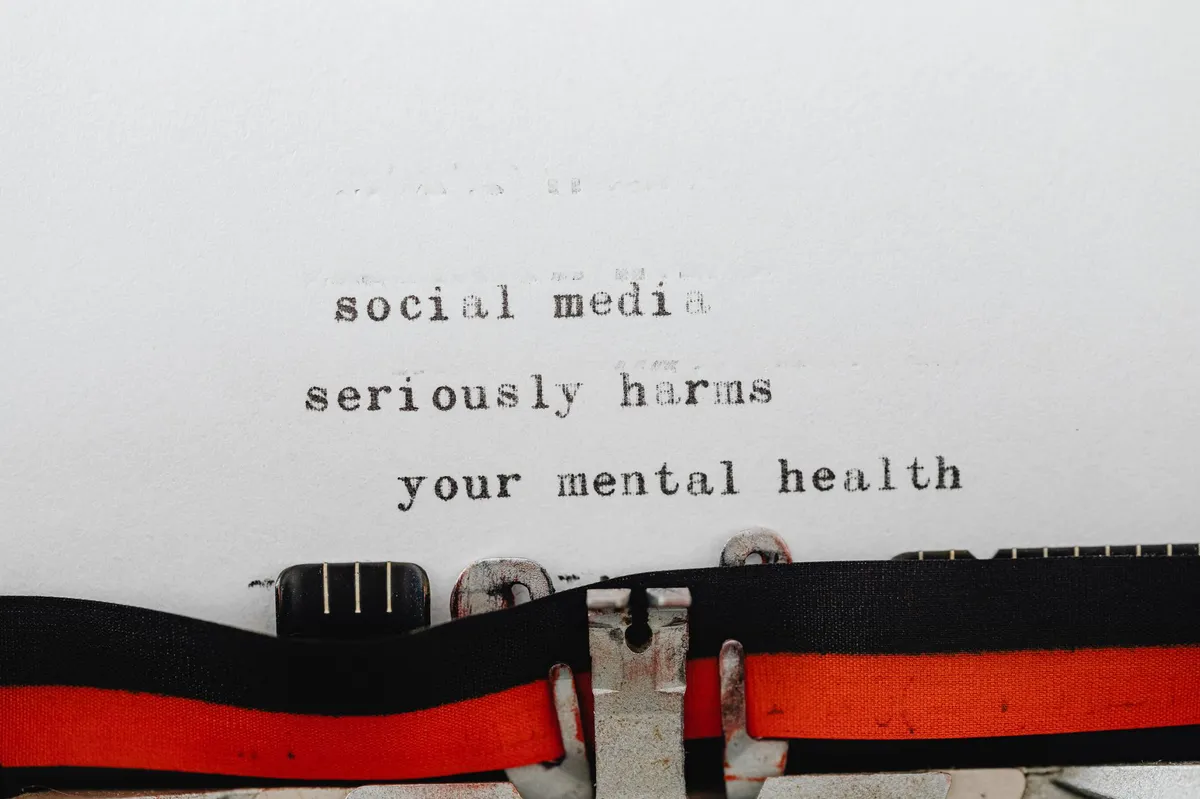
In a landmark legal proceeding that could reshape the landscape of social media responsibility, former Meta engineer Arturo Bejar has testified against the tech giant, alleging that child safety was consistently sidelined under CEO Mark Zuckerberg's leadership. This trial, which draws on claims from multiple states, accuses Meta of fostering a digital environment that not only prioritizes user engagement but also potentially harms vulnerable populations, particularly children. The implications of these allegations extend well beyond the courtroom, raising pressing questions about corporate responsibility, regulatory oversight, and the future of social media ethics.
Bejar's testimony, delivered in Oakland, California, comes at a time when scrutiny over social media platforms is at an all-time high. The lawsuit, filed by a coalition of states including California and Colorado, accuses Meta of designing its platforms — Facebook and Instagram — to addict young users and misrepresent the safety of these environments. With mental health issues among teenagers on the rise, the stakes of this trial are monumental, not just for Meta but for the entire social media industry.

Understanding the Allegations Against Meta
The lawsuit against Meta is rooted in serious allegations that the company knowingly designed its platforms to maximize user engagement at the expense of children's safety. Bejar's role in this narrative is pivotal; he served as an engineering director at Meta from 2009 to 2015 and returned as an independent contractor until 2021, providing him with unique insights into the company's internal culture and decision-making processes.
The Core Claims
The states involved in the lawsuit allege that Meta:
- **Designed addictive features** that hook young users, thereby increasing screen time and engagement metrics.
- **Collected data improperly** from users under 13, violating federal regulations aimed at protecting children's privacy online.
- **Ignored warnings** about the mental health risks associated with platform usage, including anxiety and depression among teenagers.
Bejar's testimony suggests that the prioritization of user engagement metrics over safety protocols is deeply embedded in Meta's corporate culture. He stated, “If Mark makes something a priority, mountains move in months,” indicating that Zuckerberg's involvement is crucial in determining the company's operational focus.

The Culture of Engagement Over Safety
During his testimony, Bejar highlighted that Meta's metrics for success included user engagement levels, such as daily active users and meaningful social interactions. As a result, safety initiatives often became secondary considerations. He described a concerning culture where features meant to promote user well-being, such as reminders to take breaks, were “designed to fail” because they were not set as defaults and were easily ignored.
Financial Incentives and Policy Blind Spots
The testimony also revealed a troubling “don’t ask, don’t tell” policy regarding users under the age of 13. Bejar explained that despite having technology capable of flagging and verifying the ages of millions of users, Meta chose to overlook this issue due to the potential long-term profitability of retaining younger users. This decision represents a significant ethical dilemma, as it prioritizes financial gain over the safety and well-being of minors.

The Broader Implications for Social Media and Insurance
The implications of this trial extend far beyond Meta and its platforms. As Bejar’s allegations unfold in court, they serve as a critical test case for the social media industry at large. Social media companies are increasingly facing scrutiny not just from regulators, but also from consumers and advocacy groups pressing for better child protection policies.
Insurance Industry Considerations
The insurance sector is closely monitoring the outcome of this trial. According to Kirsten Soto, a senior counsel at Clyde & Co, insurers are assessing the scope of liability coverage and potential exposures stemming from the allegations against Meta. The claims of deliberate misconduct and the potential for public nuisance arguments could redefine liability in the tech sector.
Insurers are particularly concerned about how mental health issues arising from social media usage might translate into legal claims and what responsibilities tech companies may have in preventing harm. The evolving landscape of technology liability is forcing insurers to reconsider how they underwrite policies for digital platforms.

Future of Social Media Regulation
As the trial progresses, it is becoming increasingly clear that the outcome could usher in a new era of regulation for social media platforms. If the court finds Meta liable, it could set a precedent for other tech companies, compelling them to adopt more stringent safety measures. This could also catalyze legislative efforts aimed at protecting children online, including stricter age verification processes and enhanced data protection laws.
Potential Legislative Changes
Legislators may find themselves under pressure to enact laws that mandate greater accountability for social media companies, especially concerning their impact on young users. As public awareness of mental health issues linked to social media grows, calls for comprehensive reforms are likely to intensify.
Key Takeaways
- Meta faces serious allegations of prioritizing engagement over child safety.
- The trial may set a precedent for social media regulation and corporate accountability.
- Insurance companies are evaluating liability exposures related to mental health claims.
- The outcome could drive legislative changes to protect children online.
- Public scrutiny of social media platforms is expected to increase regardless of the trial's outcome.
Frequently Asked Questions
What are the main allegations against Meta in this trial?
The primary allegations against Meta include designing its platforms to be addictive to young users, improperly collecting personal data from children under 13, and neglecting mental health warnings about the harmful effects of its platforms on teenagers. These claims are being presented by a coalition of states seeking accountability for the company’s practices.
How could the outcome of this trial affect the social media industry?
The outcome of the trial could set a significant precedent for the social media industry by establishing clearer standards of accountability for user safety, particularly for children. If Meta is found liable, it may prompt other companies to adopt more rigorous safety measures to avoid similar legal challenges in the future.
How are insurance companies involved in this case?
Insurance companies are closely watching the developments in this case to assess potential liability exposures arising from the allegations against Meta. The claims of deliberate misconduct and mental health impacts could influence how insurers approach underwriting policies for tech companies, ultimately shaping the insurance landscape within the technology sector.
What legislative changes might arise from this trial?
The trial could catalyze legislative efforts aimed at enhancing online safety for children. This may include stricter regulations on age verification, data protection laws, and better accountability measures for social media companies regarding their impact on youth mental health.
Comments
Leadership Shifts in Insurance: Implications for the Industry
Recent leadership changes at key insurance firms highlight evolving strategies in the industry. Understanding these shifts can help stakeholders navigate the changing landscape.

Related articles




Popular in Business Insurance
- Surging War-Risk Insurance Rates in the Strait of Hormuz: What It Means for Shipping
- Ross & Yerger Insurance Faces Class Action Over Data Breach Allegations
- Sompo Expands U.S. Workers' Compensation Portfolio with Service Insurance Acquisition
- Legal Battle Unfolds Over $1 Million Truck Crash Insurance Payout
- Howden Group's Ambitious Journey Toward IPO and Expansion