Record El Niño and Its Impact on Reinsurance Pricing: What You Need to Know
The emergence of a historic El Niño coincides with unprecedented low reinsurance pricing, raising questions about future loss implications. Understanding the effects of this phenomenon is crucial for underwriters and consumers alike.
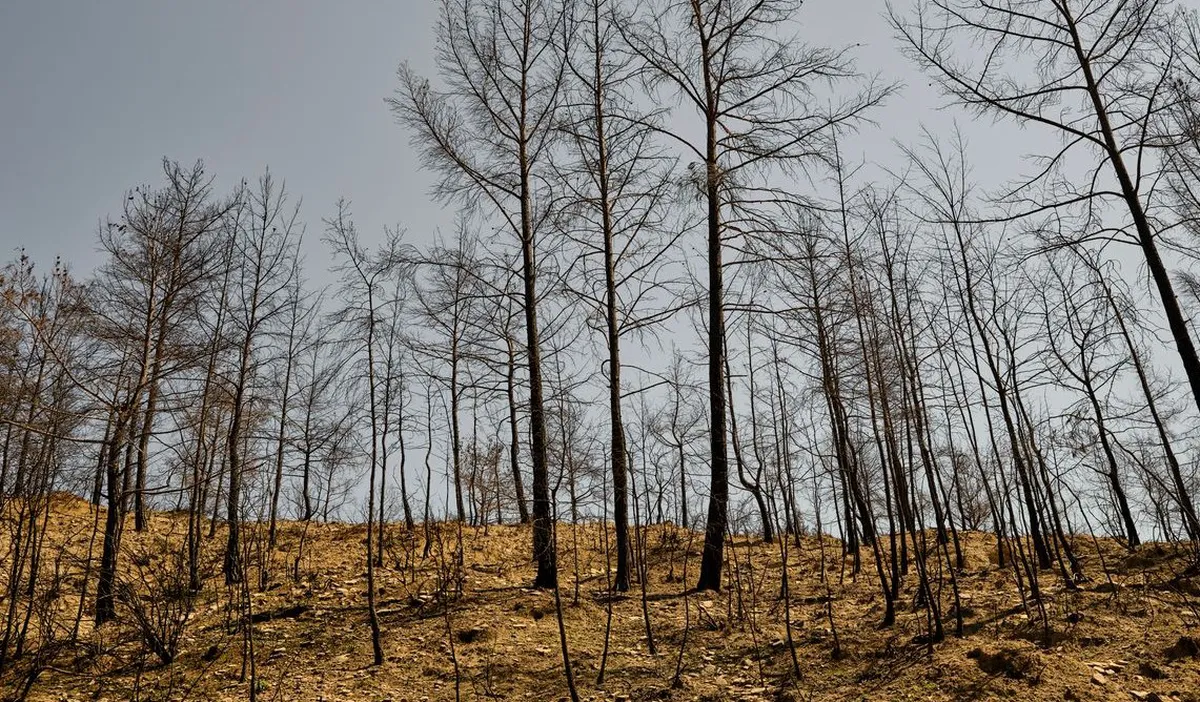
The onset of a formidable El Niño phenomenon, the strongest recorded in living memory, is creating ripples across the insurance industry, particularly in the reinsurance sector. As reinsurance pricing hits multi-year lows, the implications of this climatic event extend far beyond a single weather season. With the UK Met Office reporting unprecedented sea surface temperature anomalies in the Pacific, the insurance landscape is poised for significant changes. Understanding the nuances of this situation is essential for consumers, businesses, and industry professionals alike.
According to Professor Adam Scaife, the head of long-range forecasting at the UK Met Office, the current El Niño presents a signal of intensity that has not been seen before, with Pacific sea surface temperatures already surpassing 2°C above the long-term average. Projections indicate that these anomalies could exceed 3°C by 2026, setting a worrying precedent with potential ramifications for global weather patterns and insurance markets. Moreover, the Met Office has suggested that 2027 may be on track to become the hottest year on record, further complicating the insurance industry's response to climate-related risks.
The Dual Nature of El Niño's Impact on Insurance
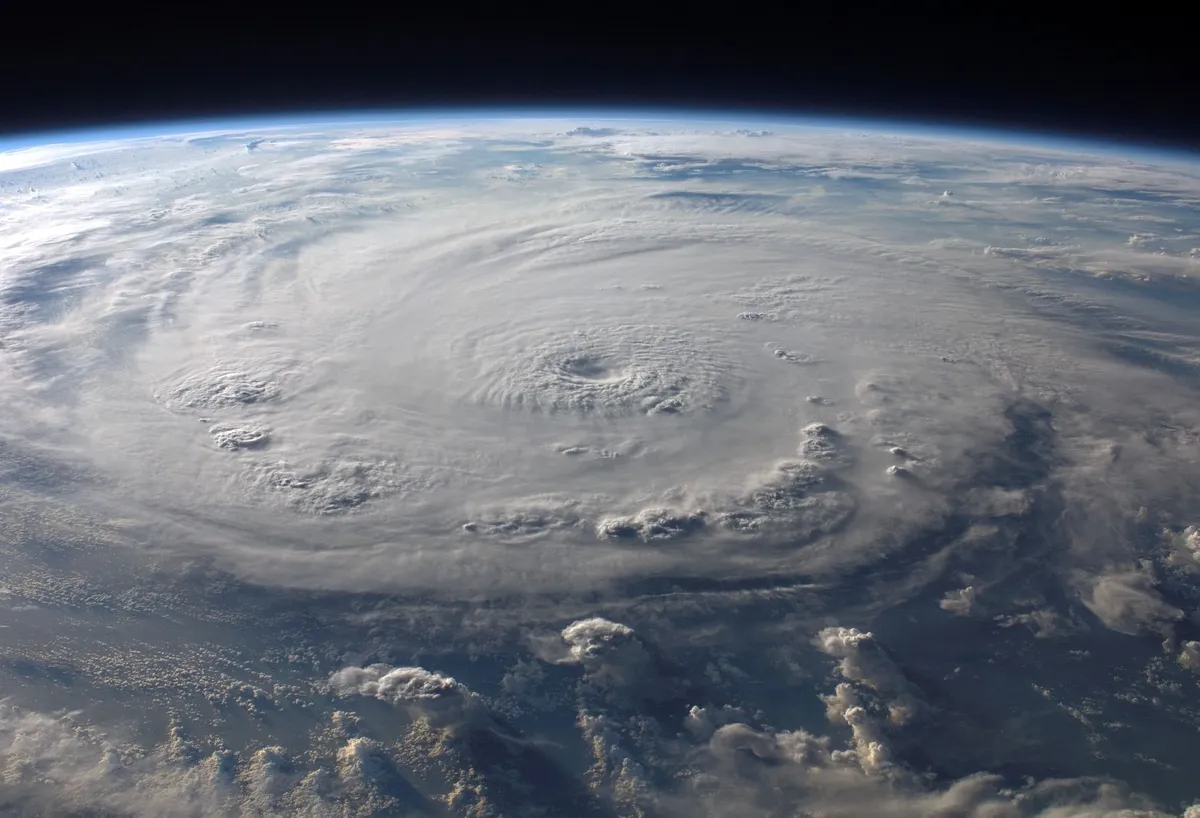
El Niño is notorious for its dual effects on weather patterns across the globe. While it often suppresses Atlantic hurricane activity, providing a temporary relief for insurers in that region, it simultaneously tends to increase cyclone activity in the Pacific and disrupt monsoon seasons in Asia. For underwriters and reinsurers, this creates a complex risk landscape where the implications of one weather phenomenon can trigger a cascade of secondary effects.
Regional Impacts of El Niño
- Atlantic Region: Typically experiences fewer hurricanes during strong El Niño events.
- Pacific Region: Faces heightened cyclone activity, increasing the likelihood of claims.
- South Asia: Affected by below-average monsoon conditions, leading to agricultural stress.
- Africa: The Horn of Africa faces drought probabilities exceeding 50%, compounding food security issues.
Market Conditions: A Softened Reinsurance Landscape
The current reinsurance market is characterized by a period of soft pricing, with property catastrophe reinsurance rates dropping by 16% during the mid-year renewal in July 2026. This decline follows a 12% drop earlier in January 2026, driven by five consecutive quarters of below-average losses. The El Niño phenomenon arrives at a time when the market is already under pressure, questioning the adequacy of current pricing models. Insurers face an urgent need to reassess their pricing strategies to accommodate the potential for increased claims resulting from natural disasters exacerbated by climate change.
The Role of Climate Risk Modeling
As the insurance industry grapples with these changes, the limitations of traditional climate risk models come into sharper focus. Torolf Hamm, WTW's global head of climate physical risks, points out that many catastrophe models are built primarily to assess direct property exposure rather than the interconnected impacts that arise from global supply chain disruptions. For example, during the 1997-98 El Niño, Southeast Asia experienced a loss of approximately 15 million tonnes of rice due to weather-related disruptions, highlighting the challenges of directly correlating weather events with economic outcomes.
Implications for Agricultural Underwriters
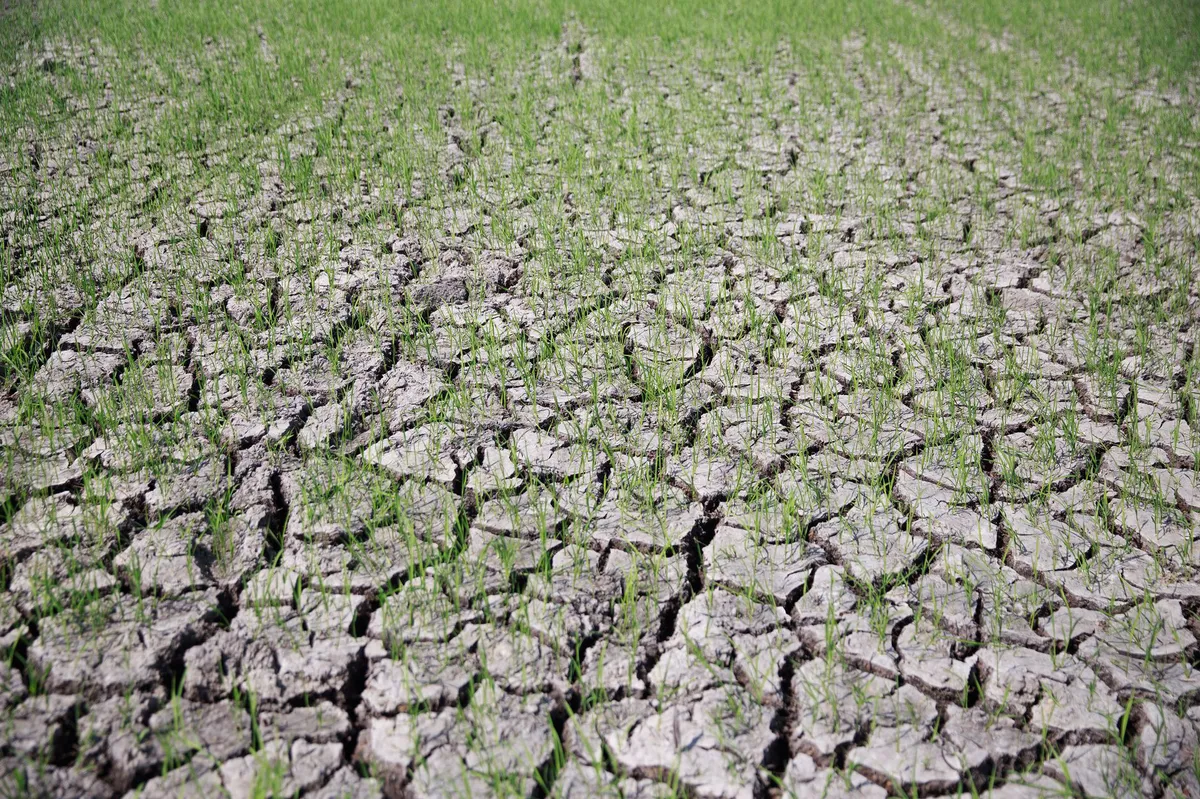
The agricultural sector is particularly vulnerable to the effects of El Niño, especially in the Asia-Pacific region and emerging markets. A deficient monsoon season can lead to decreased yields for staple crops such as rice and maize, posing significant economic risks for farmers and the broader food supply chain. This risk is compounded by soils that are already under stress, raising concerns about food inflation and agricultural income collapse.
Potential Mitigation Strategies
For agricultural underwriters, adapting to the realities of climate change is essential. This includes developing more nuanced insurance products that take into account not just direct crop damage, but also the secondary effects of weather events on supply chains and market prices. Enhanced data analytics and climate modeling can help insurers better assess risks and price their products accordingly.
Outlook for the Future: Preparing for the Unknown
The emergence of this El Niño event poses a myriad of questions for the insurance industry, particularly regarding how to best prepare for potential disruptions. Gallagher Re's chief science officer, Steve Bowen, emphasizes that while record-breaking losses may not be an immediate concern, the societal implications of a warming ocean paired with El Niño conditions are considerable. As the world continues to warm, the insurance industry must adapt to a new normal where the interplay of various climatic factors can lead to unforeseen challenges.
Strategies for Stakeholders
For consumers and businesses, understanding the implications of El Niño on insurance pricing and coverage is critical. This includes reviewing existing policies, assessing risk exposure, and considering adjustments to coverage levels or types. Engaging with insurance professionals who are knowledgeable about climate risks can provide valuable insights into how best to protect assets and mitigate potential losses.

Key Takeaways
- The current El Niño is the strongest recorded and has significant implications for the insurance market.
- Reinsurance pricing is at multi-year lows, raising questions about the adequacy of current models.
- Agricultural sectors in Asia-Pacific are particularly vulnerable to the effects of El Niño.
- Insurance professionals need to adapt their models to account for interconnected climate risks.
- Consumers should review their insurance policies in light of changing climate conditions.
Frequently Asked Questions
What is El Niño and how does it affect weather patterns?
El Niño is a climate pattern that occurs when warmer-than-average sea surface temperatures develop in the Pacific Ocean. This phenomenon can disrupt typical weather patterns across the globe, leading to increased rainfall in some regions and droughts in others. The effects of El Niño can significantly influence seasonal weather events, including hurricanes, monsoons, and agricultural yields, which in turn impact the insurance industry.
How does El Niño influence reinsurance pricing?
The relationship between El Niño and reinsurance pricing is complex. During periods of strong El Niño, certain weather events, such as hurricanes in the Atlantic, may be suppressed, leading to lower claims and reduced pressure on pricing. However, increased cyclone activity in the Pacific and other geographical disruptions may lead to higher claims in those areas. This balancing act creates uncertainty for underwriters and can lead to fluctuations in pricing as the market responds to these competing influences.
What should consumers do to prepare for potential impacts from El Niño?
Consumers should be proactive in understanding how El Niño may affect their insurance policies. This includes reviewing coverage levels, assessing risks related to climate change, and consulting with insurance professionals to ensure adequate protection. Additionally, staying informed about local weather predictions and potential El Niño impacts can help individuals and businesses prepare for adverse weather conditions.
Are there any long-term effects of El Niño on the insurance industry?
Yes, the long-term effects of El Niño on the insurance industry can be significant. As climate change continues to alter weather patterns, insurers must adapt their models and pricing strategies to account for these shifts. This may involve developing new products that account for emerging risks associated with climate change, as well as improving data analytics to better understand the interconnectedness of various climate factors and their implications for insurance.
Comments
Ben & Jerry's Legal Battle: A Case of Corporate Activism and Censorship
A federal judge has dismissed significant portions of Ben & Jerry's lawsuit against Unilever, raising questions about corporate governance and social activism in business. This article explores the implications of the ruling and what it means for the future of socially responsible companies.

Related articles






Popular in Business Insurance
- Surging War-Risk Insurance Rates in the Strait of Hormuz: What It Means for Shipping
- Ross & Yerger Insurance Faces Class Action Over Data Breach Allegations
- Sompo Expands U.S. Workers' Compensation Portfolio with Service Insurance Acquisition
- Legal Battle Unfolds Over $1 Million Truck Crash Insurance Payout
- Howden Group's Ambitious Journey Toward IPO and Expansion