Parametric Insurance: A Milestone Payout for Coral Reef Protection
Hurricane Lala's recent impact on a Hawaiian coral reef marks a groundbreaking moment in parametric insurance, showcasing a new frontier in environmental protection. This article explores the implications of this payout and the future of nature-focused insurance policies.
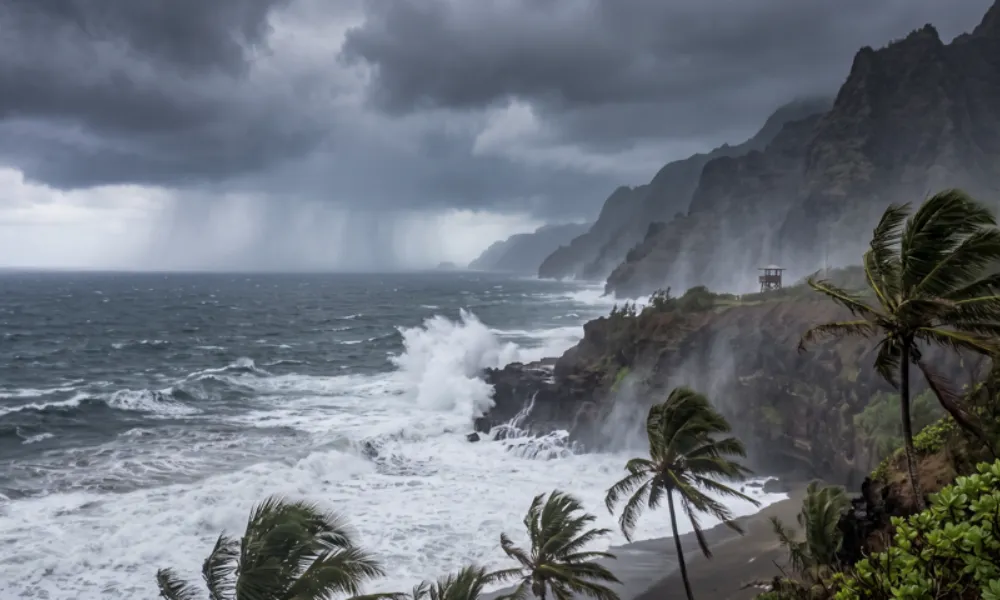
In August 2023, Hurricane Lala made landfall on the Big Island of Hawaii as a Category 1 storm, sparking a significant moment in the realm of insurance: the first-ever payout from a parametric insurance policy designed to protect a coral reef. The Nature Conservancy, which holds this innovative policy underwritten by Munich Re, was able to quickly access a $200,000 payout after the storm's winds triggered the threshold for compensation. This landmark event not only underscores the potential of parametric insurance to safeguard natural assets but also raises important questions about the future of environmental protection and risk management.
The concept of parametric insurance, which provides payouts based on predetermined triggers such as wind speed rather than actual damage assessments, has gained traction over recent years. However, Hurricane Lala’s case stands out as it highlights the tangible benefits of this approach in the context of protecting ecological assets, specifically coral reefs, which play a crucial role in coastal protection and biodiversity.
The Significance of the Payout
While $200,000 may seem modest in the face of catastrophic losses often associated with hurricanes, this payout is significant for several reasons:
- First Payout for a Coral Reef: This is the inaugural instance of a U.S. insurance policy designed specifically for coral reefs paying out, marking a pivotal moment in the intersection of insurance and environmental conservation.
- Rapid Disbursement of Funds: The funds were released within days, allowing for immediate action on reef restoration efforts, a critical aspect in the wake of storm damage.
- Potential for Future Insurance Models: This case could pave the way for similar insurance products aimed at protecting other natural assets, showcasing a new trend in environmental risk management.
Understanding Parametric Insurance
Parametric insurance differs fundamentally from traditional insurance. Instead of assessing the actual damages incurred after a catastrophic event, parametric policies rely on specific, quantifiable triggers. In the case of the Hawaiian coral reef, the trigger was the wind speed recorded by governmental weather data. If sustained winds reached 50 knots (approximately 57 mph) near the reef, funds would be disbursed automatically.
Advantages and Disadvantages
This approach offers several advantages:
- Speed: Payments are made quickly, allowing for immediate funding of recovery efforts.
- Simplicity: The lack of a complicated claims process means fewer disputes and faster resolution.
However, it also carries inherent risks:
- Basis Risk: There is a risk that payouts may not correspond to the actual damage sustained. For instance, a fast-moving storm could trigger a payout with minimal damage, while a slower storm could cause significant harm without triggering the policy.
The Role of Coral Reefs in Coastal Protection
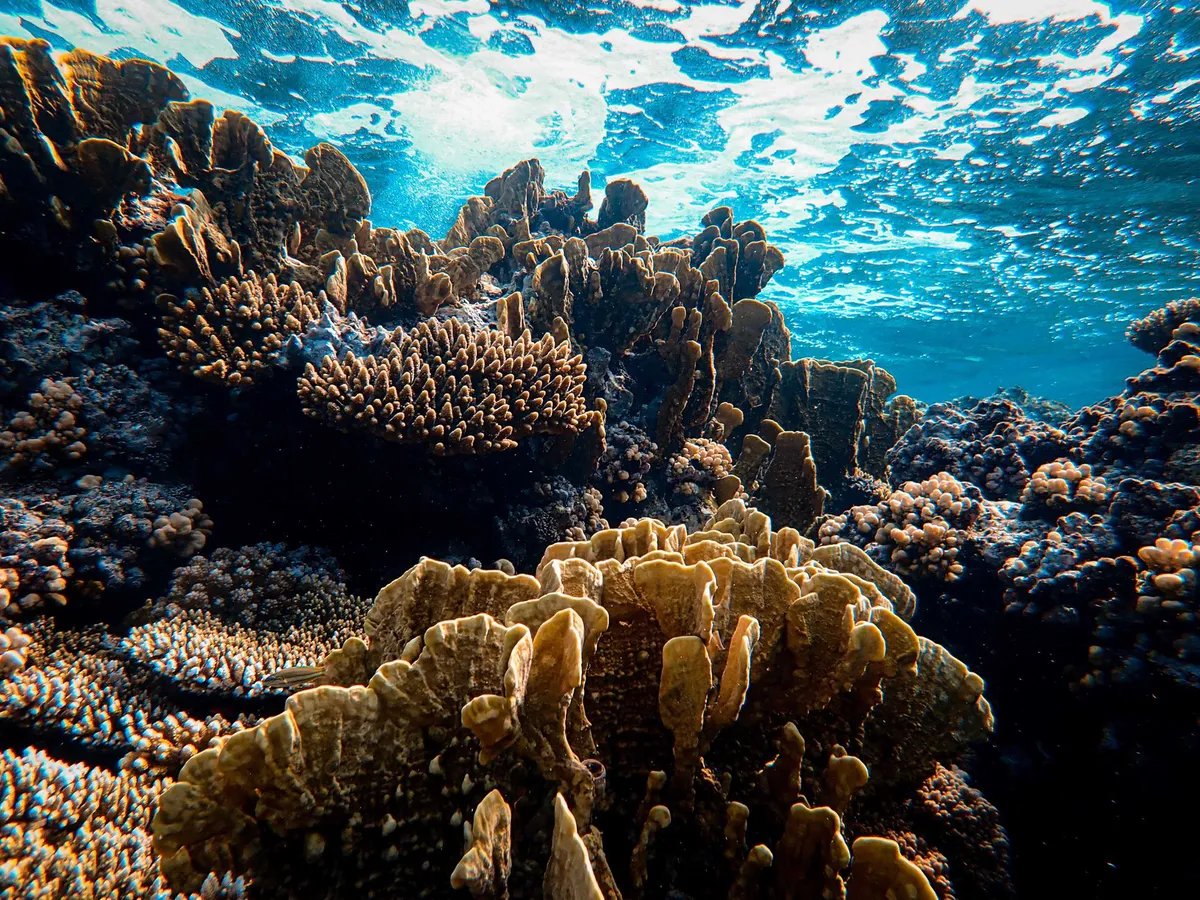
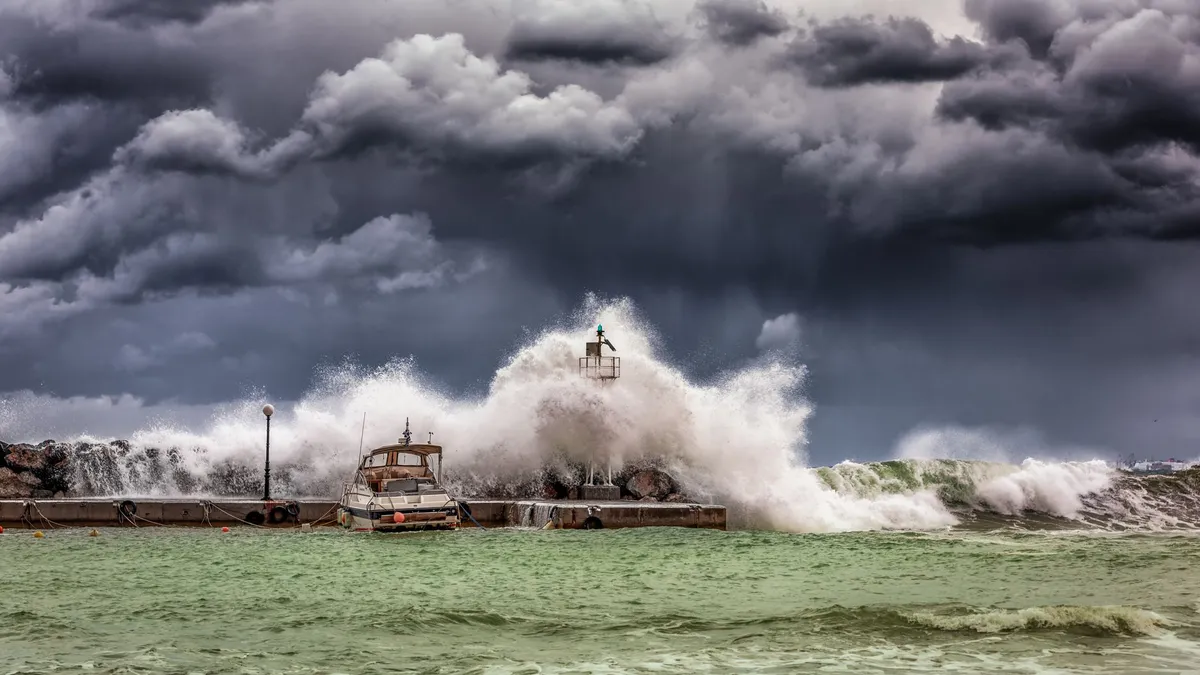
Coral reefs are not just beautiful ecosystems; they play a vital role in protecting coastlines from erosion and flooding. According to Hawaii-based researchers, healthy coral reefs can absorb as much as 97% of the incoming wave energy before it reaches the shore. This protective barrier is especially crucial for the communities and infrastructure that lie behind these reefs.
When reefs are damaged, the protective capacity diminishes, exposing coastal properties to greater risks from future storms. Therefore, investing in the health of coral reefs through mechanisms like parametric insurance is not just about conservation; it is also about safeguarding human communities and property.
Challenges and Future Prospects
The $200,000 payout may not cover the full extent of the repair costs required after Hurricane Lala, as the Nature Conservancy has invested approximately $432,000 in premiums over the past four years. This raises questions about the sustainability of such insurance models. The funding for the restoration efforts is partially subsidized through the Howden Group Foundation, indicating that the market for nature-focused insurance products is still developing and may not be fully self-sustaining yet.
Hawaii's insurance commissioner has expressed optimism about this model, recognizing the importance of healthy reefs for coastal protection. The success of this policy could lead to increased interest from other insurers and potentially lower premiums in the future as the market for such coverage expands.

Global Context and Market Growth
The Hawaiian coral reef insurance policy is part of a broader trend in the global insurance market. According to Gallagher Re, the global parametric insurance sector was valued at approximately $11.7 billion in 2021, with projections suggesting it could grow to about $29.3 billion by 2031. This growth is driven by increased climate volatility and advancements in satellite and weather data, which make it easier to establish triggers for payouts.
Beyond coral reefs, parametric insurance is being applied to various other areas, including agriculture, flood protection, and even heat-related events. The success of the Hawaiian model could inspire similar initiatives globally, particularly in regions vulnerable to climate change.
Key Takeaways
- This marks the first payout from a parametric insurance policy designed specifically for coral reefs in the U.S.
- The rapid release of funds highlights the advantages of parametric insurance in disaster response.
- Coral reefs play a crucial role in coastal protection, making their health vital for surrounding communities.
- The insurance market for environmental protection is still developing but shows promise for future growth.
Frequently Asked Questions
What is parametric insurance?
Parametric insurance is a type of coverage that pays out based on predetermined triggers, such as wind speed or rainfall levels, rather than actual damage assessments. This model allows for quicker payouts and less complexity in claims processing.
How does the payout for the coral reef insurance work?
The coral reef insurance policy in Hawaii pays out automatically when the wind speed exceeds a set threshold of 50 knots. The payout is based solely on recorded wind data, allowing for rapid disbursement of funds for restoration efforts.
What challenges does parametric insurance face?
One of the main challenges of parametric insurance is the potential for basis risk, where payouts do not correspond with actual damage. This can happen if a storm triggers a payout without causing significant harm or if damage occurs without the necessary conditions being met to trigger a payout.
What is the future of parametric insurance for natural assets?
The future of parametric insurance for natural assets looks promising, especially as climate change increases the frequency and intensity of storms. As market demand grows and technology improves, more innovative insurance products may emerge, potentially leading to broader coverage and lower premiums.
Comments
Ben & Jerry's Legal Battle: A Case of Corporate Activism and Censorship
A federal judge has dismissed significant portions of Ben & Jerry's lawsuit against Unilever, raising questions about corporate governance and social activism in business. This article explores the implications of the ruling and what it means for the future of socially responsible companies.

Related articles






Popular in Business Insurance
- Surging War-Risk Insurance Rates in the Strait of Hormuz: What It Means for Shipping
- Ross & Yerger Insurance Faces Class Action Over Data Breach Allegations
- Sompo Expands U.S. Workers' Compensation Portfolio with Service Insurance Acquisition
- Legal Battle Unfolds Over $1 Million Truck Crash Insurance Payout
- Howden Group's Ambitious Journey Toward IPO and Expansion