Resurgence of Somali Piracy: Impacts on Marine Insurance and Security
Recent hijackings off Somalia and Yemen signal a concerning return of piracy, pressuring marine war risk and kidnap & ransom insurance markets. This article explores the implications for underwriters and shipowners.
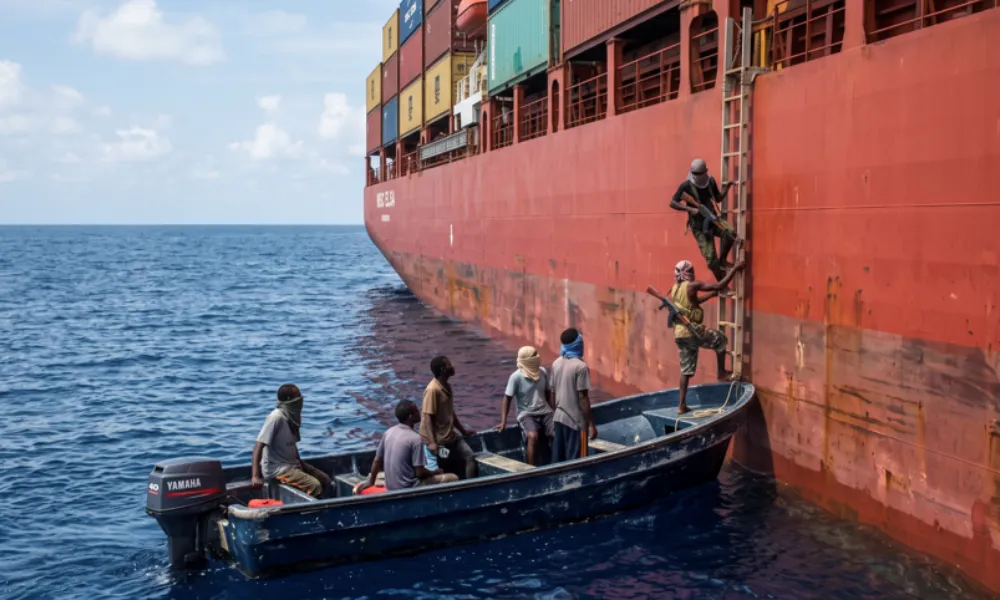
The recent resurgence of piracy in the waters off Somalia and Yemen has sent ripples through the marine insurance sector, prompting a reevaluation of risk assessment and coverage strategies. Just this month, two separate hijackings involving Indian seafarers have brought attention back to a threat that had seemingly diminished over the past decade. The incidents involve the cargo ship Lutuf and the tanker Sibu 1, both of which were captured in waters that had previously been considered relatively safe.
This uptick in piracy is not merely a series of isolated events but a symptom of broader geopolitical tensions and declining naval presence in critical shipping lanes. As marine underwriters grapple with these renewed risks, shipowners must navigate a complex landscape of insurance policies, premiums, and security arrangements, ensuring they are adequately protected in an increasingly perilous environment.
The Current State of Piracy: A Troubling Trend
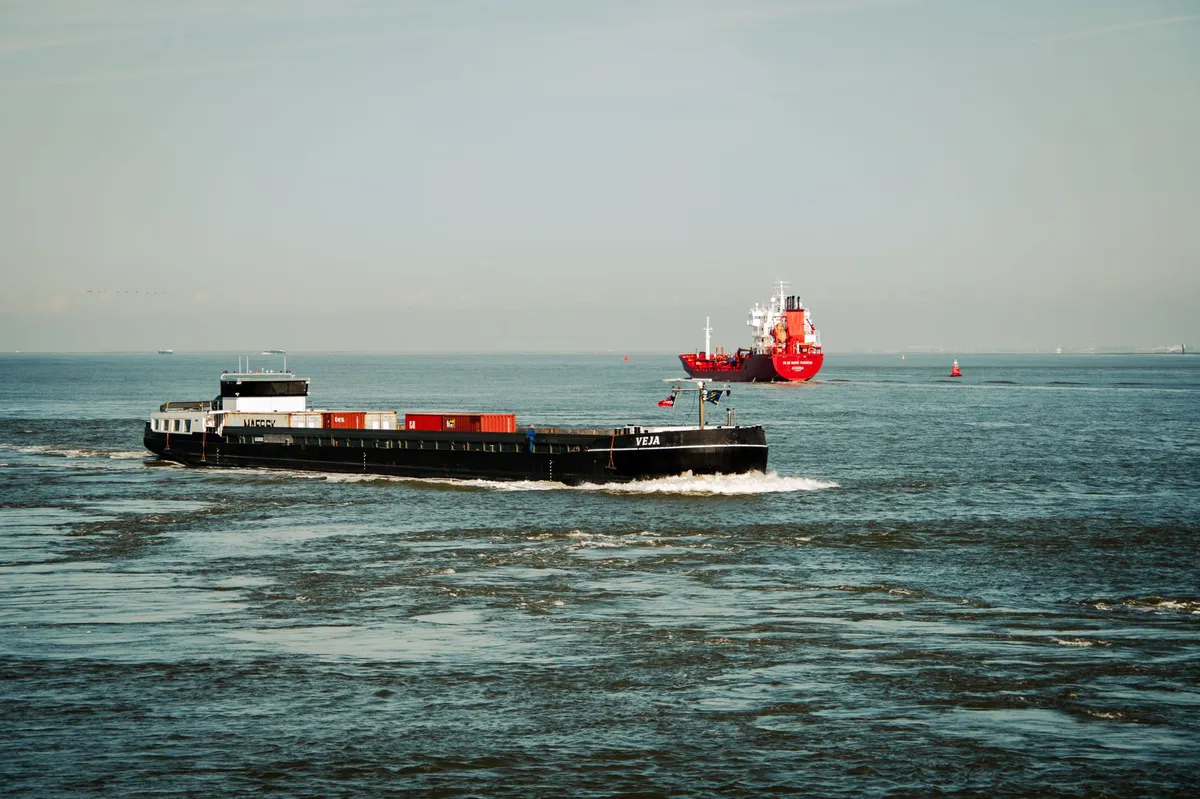
According to the International Maritime Organization (IMO), there has been a notable increase in piracy incidents in the Gulf of Aden and waters off Somalia in 2023. The hijacking of the Lutuf on August 17 and the Sibu 1 on August 20 have raised alarms about the effectiveness of current maritime security measures. Notably, the Lutuf was carrying military-related supplies, which raises questions about the nature of its cargo and the motivations behind the attacks.
The involvement of 22 Indian crew members in these hijackings, and the ship's previous interactions with Houthi-controlled fuel terminals in Yemen, highlight the complexities of maritime operations in these regions. The situation is exacerbated by the ongoing conflicts in the Middle East, which have strained naval patrols and reduced the deterrent effect that international naval coalitions once had on piracy.
Insurance Implications: The Role of the Joint War Committee
For marine underwriters, the resurgence of piracy is not just a security concern but also a pricing issue. The Joint War Committee (JWC), which includes representatives from Lloyd's and the International Underwriting Association (IUA), has updated its List of Areas of Perceived Enhanced Risk, expanding coverage to include regions affected by piracy and geopolitical tensions.
- Additional Premiums: Vessels entering listed areas face extra premiums and must notify underwriters of their plans.
- Coverage Gaps: Standard hull, war risk, and Protection & Indemnity (P&I) insurance often do not cover ransom payments and other costs incurred during piracy incidents.
- New Products: Innovative insurance products, such as those offered by West P&I Club and CFC, are emerging to fill the gaps in traditional coverage.
As of March 2023, the JWC expanded its risk list to include crucial maritime chokepoints like Bahrain, Djibouti, and even parts of the Somali coastline, driven by the conflicts involving Iran and regional powers. The potential for further revisions looms large if piracy incidents continue to rise, making it crucial for shipowners to stay informed about their coverage options.

Kidnap and Ransom (K&R) Insurance: A Vital Safety Net
In light of the current piracy landscape, Kidnap and Ransom (K&R) insurance has become increasingly relevant. These specialized policies are designed to cover costs associated with piracy incidents, including ransom payments, crisis management, and legal liabilities. With a hijacking typically sidelining a vessel for around eight weeks while negotiations ensue, the financial implications can be substantial.
Industry experts note that the vessels most vulnerable to piracy share common characteristics: they are often older, smaller ships operating close to shore without armed security personnel. Notably, no vessel with a professional security detail has been successfully seized in recent hijackings, indicating the importance of adequate security measures alongside insurance coverage.
Marine insurers have responded by developing tailored K&R products. For example, West P&I Club has introduced a piracy protection plan that bundles ransom indemnities with crisis response and reputational protection. Similarly, CFC's marine K&R product tracks insured vessels in real-time, automatically adjusting coverage as they enter high-risk zones. This shift aims to simplify the often burdensome process of securing insurance for shipowners.
Historical Context: Learning from the Past
The current situation follows a historical pattern seen during piracy's last peak around 2010 and 2011, when hundreds of vessels were captured off the Somali coast. Estimates from the One Earth Future Foundation indicated that the annual costs to shipowners and governments reached nearly $7 billion during that crisis. The decline in piracy was attributed to increased naval patrols, fortified ships, and the deployment of armed security teams, which drove successful hijackings toward zero.
As the maritime industry faces this new wave of piracy, questions remain about whether the current spike will be a temporary aberration or the beginning of a prolonged period of instability. Shipowners renewing their marine war and K&R coverage in the Gulf of Aden and Somali basin must assess their risk exposure and consider the evolving nature of piracy.
Key Takeaways
- Recent hijackings off Somalia and Yemen signal a resurgence of piracy, raising concerns for maritime safety.
- Marine underwriters are adjusting risk assessments and premiums based on the Joint War Committee's updated risk list.
- Kidnap and Ransom insurance is becoming essential for shipowners navigating high-risk areas.
- Historical patterns suggest that the current piracy spike may either be temporary or indicative of a longer-term trend.
Frequently Asked Questions
What should shipowners do to protect themselves against piracy?
Shipowners should conduct thorough risk assessments, considering the routes their vessels will take and the potential for entering high-risk areas. Investing in robust security measures, such as employing professional security teams, can significantly reduce the risk of hijacking. Additionally, obtaining comprehensive marine insurance, including K&R coverage, is crucial for financial protection in the event of an incident.
How do marine insurance premiums change in high-risk areas?
In high-risk areas, marine insurance premiums typically increase due to the heightened risk of incidents such as piracy. Underwriters assess the threat level based on factors like the frequency of attacks and the presence of naval patrols. As the Joint War Committee revises its list of perceived risks, shipowners must stay informed and may need to adjust their coverage accordingly.
What is the role of Kidnap and Ransom insurance in maritime operations?
Kidnap and Ransom insurance is crucial for maritime operations, especially in areas prone to piracy. These policies cover expenses related to ransom negotiations, crisis management, and legal liabilities that standard insurance policies may not include. Given the financial implications of a hijacking, having K&R coverage can be vital for shipowners to mitigate potential losses.
Comments
Ben & Jerry's Legal Battle: A Case of Corporate Activism and Censorship
A federal judge has dismissed significant portions of Ben & Jerry's lawsuit against Unilever, raising questions about corporate governance and social activism in business. This article explores the implications of the ruling and what it means for the future of socially responsible companies.

Related articles






Popular in Business Insurance
- Surging War-Risk Insurance Rates in the Strait of Hormuz: What It Means for Shipping
- Ross & Yerger Insurance Faces Class Action Over Data Breach Allegations
- Sompo Expands U.S. Workers' Compensation Portfolio with Service Insurance Acquisition
- Legal Battle Unfolds Over $1 Million Truck Crash Insurance Payout
- Howden Group's Ambitious Journey Toward IPO and Expansion