Understanding Smoke Damage: Bridging the Business Interruption Gap
As wildfire smoke disrupts businesses nationwide, understanding the nuances of smoke damage coverage is vital. This article explores the gaps in business continuity plans and insurance policies, providing actionable insights for companies.

In recent months, the United States has witnessed the devastating impact of wildfires, with smoke traveling hundreds of miles from its source, affecting businesses far removed from the flames. While many companies are aware of the physical damage that fires can cause, the consequences of smoke damage often fly under the radar. Poor air quality can halt operations just as effectively as a fire, creating a significant business interruption that many companies are ill-prepared to handle. This article delves into the complexities of smoke damage, the critical gaps in business continuity plans, and offers strategies to ensure your organization is adequately prepared for such events.
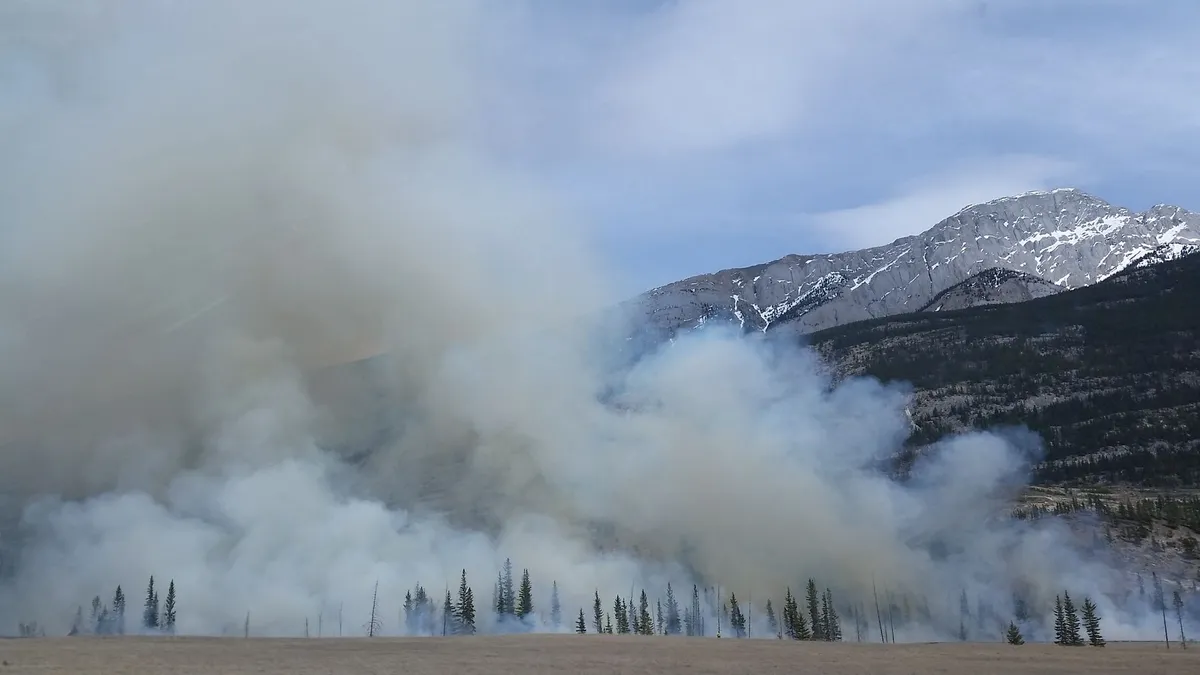
Rob Hoover, a senior vice president and risk advisor at Brown & Brown, emphasizes that the ramifications of smoke damage extend well beyond the immediate perception of physical destruction. The air we breathe, particularly in areas affected by wildfires or other sources of smoke, can significantly disrupt business operations. Companies must recognize that even without visible fire damage, smoke can infiltrate air filtration systems, degrade indoor air quality, and ultimately lead to substantial revenue losses.
The Hidden Dangers of Smoke Damage
Smoke damage is often underestimated in terms of its potential impact on business operations. While most businesses are aware of the need for fire insurance, they frequently overlook the risks associated with smoke. The Environmental Protection Agency (EPA) has classified fine particulate matter (PM2.5) levels above 150 as unhealthy, leading to air quality alerts that can deter customers from visiting affected areas. This is where businesses face a unique challenge: the assumption that their property insurance will cover all forms of smoke damage.
Understanding Smoke Damage Coverage
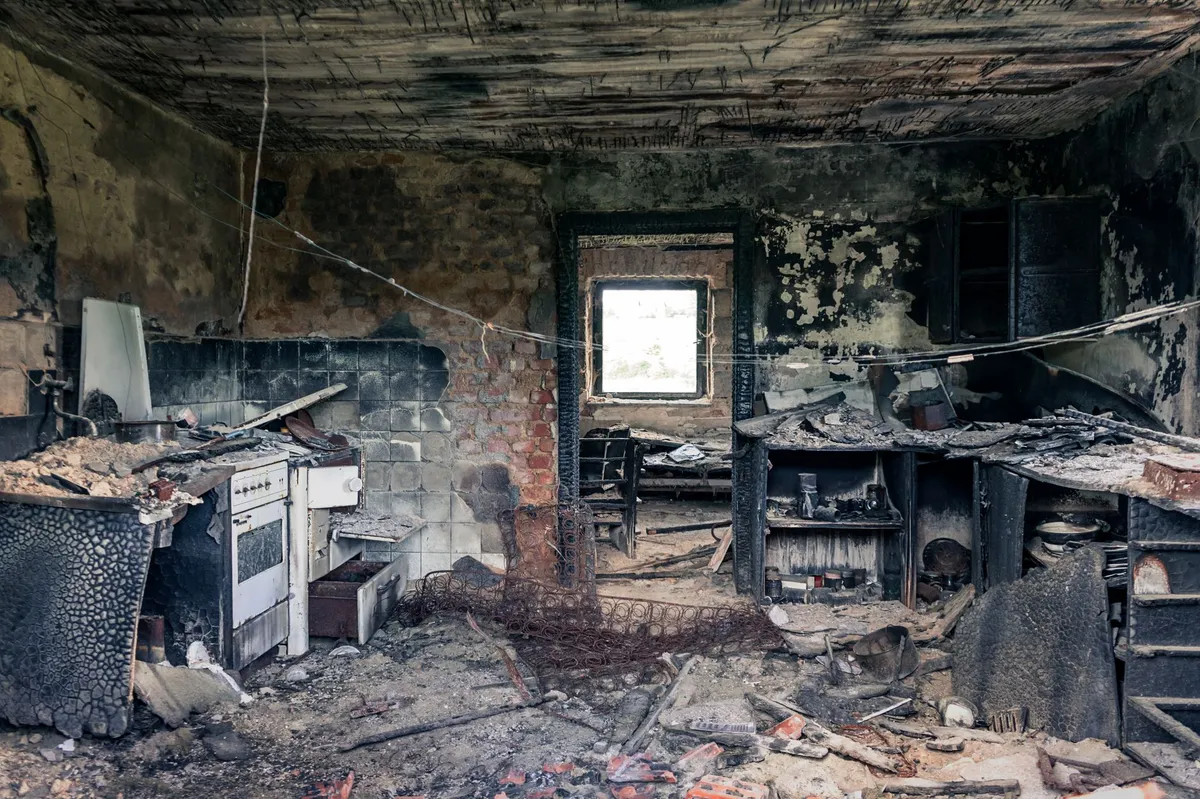
Many property insurance policies require direct physical damage to trigger business interruption coverage. This means that if air quality worsens due to smoke but no structural damage occurs, businesses may find themselves without the necessary coverage. Hoover points out that this is a common misconception that can lead to painful surprises when claims are filed.
Key Coverage Considerations:- Many policies require direct physical damage to activate business interruption coverage.
- Civil authority coverage can assist when government restrictions limit access to areas affected by poor air quality, but it is often narrow in scope.
- Policy language can change at renewal, potentially excluding smoke coverage that was previously included.
Revamping Business Continuity Plans
Business continuity plans are traditionally designed to address localized incidents, such as a natural disaster affecting a single location. However, smoke events can blanket entire regions, rendering these plans inadequate. As Hoover notes, the binary thinking of being either 'open' or 'closed' is flawed. A business may remain operational during a smoke event but still suffer significant revenue losses due to reduced customer traffic and employee availability.
Elements of a Smoke-Ready Plan
To effectively prepare for the risks posed by smoke, businesses should consider five essential components in their emergency response plans:
- Employee Health Protocols: Establish guidelines for employee safety during periods of poor air quality.
- Indoor Air Quality Controls: Implement measures to ensure that indoor environments remain safe and breathable.
- Remote Work Options: Facilitate remote work arrangements wherever possible to minimize disruption.
- Customer Communication Strategy: Develop a plan for informing customers about operational changes during smoke events.
- Pre-Event Broker Conversations: Engage in discussions with insurance brokers to understand how policies respond to smoke-related incidents.
Conducting a Smoke Risk Assessment
To create a robust smoke readiness plan, businesses must begin with a thorough risk assessment that prioritizes employee safety. Hoover advises organizations to ask critical questions regarding their workforce, operational dependencies, and financial vulnerabilities. The assessment should consider factors such as:
Identifying Vulnerabilities
1. **Employee Capabilities**: Determine which roles and responsibilities are impacted during periods of poor air quality. Who can work remotely, and who cannot?
2. **Revenue Streams**: Analyze how revenue may be affected. Which aspects of the business rely on in-person attendance or outdoor activities?
3. **System Integrity**: Assess the capacity of HVAC and air filtration systems to maintain safe air quality indoors. Can these systems effectively filter out smoke?
4. **Supplier Dependencies**: Recognize that suppliers may also be affected by smoke events. What contingencies are in place if key suppliers experience disruptions?

Proactive Steps to Ensure Coverage
Once vulnerabilities are identified, it is crucial to align the business continuity plan with the insurance coverage. Engaging with an insurance broker well in advance of policy renewal is essential. Businesses should seek clarity on how their policies respond to smoke events, what specific conditions trigger coverage, and any changes in policy language that may have occurred since the last renewal.
Actionable Steps for Businesses:- Conduct annual reviews of insurance policies to ensure adequate smoke coverage.
- Document all communications with brokers regarding policy changes and coverage options.
- Reassess business continuity plans regularly to account for smoke risks.
Key Takeaways
- Smoke damage can significantly disrupt business operations, even without visible fire damage.
- Many property insurance policies exclude smoke damage coverage unless there is direct physical damage.
- Businesses must develop comprehensive smoke-ready emergency response plans to mitigate risks.
- Regularly review and update insurance policies to ensure coverage remains adequate.
- Engage with insurance brokers proactively to understand policy language and coverage limits.
Frequently Asked Questions
What types of smoke damage are typically covered under business insurance?
The coverage for smoke damage under business insurance policies can vary significantly. Many policies cover smoke damage as part of broader property damage, but specific conditions must be met. Typically, if there is no direct physical damage to the property, claims for smoke damage may be denied. Businesses should carefully review their policy language and consult with their insurance brokers to clarify coverage details.
How can businesses prepare for smoke events?
Preparation for smoke events involves creating a smoke-ready emergency response plan that includes employee health protocols, indoor air quality controls, and communication strategies. Businesses should also conduct a thorough risk assessment to identify vulnerabilities and engage with insurance brokers to ensure adequate smoke damage coverage.
What should businesses do if they experience smoke damage?
If a business experiences smoke damage, it is critical to document the extent of the damage thoroughly. This includes taking photographs, retaining repair estimates, and maintaining records of any communications with customers and suppliers affected by the event. Following this, businesses should file a claim with their insurance provider, referencing the specific policy provisions related to smoke damage.
How often should businesses review their insurance policies?
It is advisable for businesses to review their insurance policies at least once a year or whenever there are significant changes in operations or risk exposures. This includes reviewing coverage for smoke damage, as policy language can change at renewal. Regular reviews help ensure that businesses are adequately protected against emerging risks such as smoke damage from wildfires or other sources.
Comments
Canada Imposes $20 Billion in Retaliatory Tariffs Against U.S.
In a fierce response to U.S. tariffs, Canada has announced $20 billion in counter-tariffs targeting a wide range of American goods. This move signifies escalating trade tensions and its implications for both economies.

Related articles





Popular in Business Insurance
- Surging War-Risk Insurance Rates in the Strait of Hormuz: What It Means for Shipping
- Ross & Yerger Insurance Faces Class Action Over Data Breach Allegations
- Sompo Expands U.S. Workers' Compensation Portfolio with Service Insurance Acquisition
- Legal Battle Unfolds Over $1 Million Truck Crash Insurance Payout
- Howden Group's Ambitious Journey Toward IPO and Expansion