First Brands' Bankruptcy Plan Rejected: Implications for Creditors and the Auto Parts Industry
A U.S. bankruptcy judge has denied First Brands' plan to pay debts through litigation, opting for Chapter 7 liquidation instead. This decision raises significant concerns for creditors and the broader auto parts market.
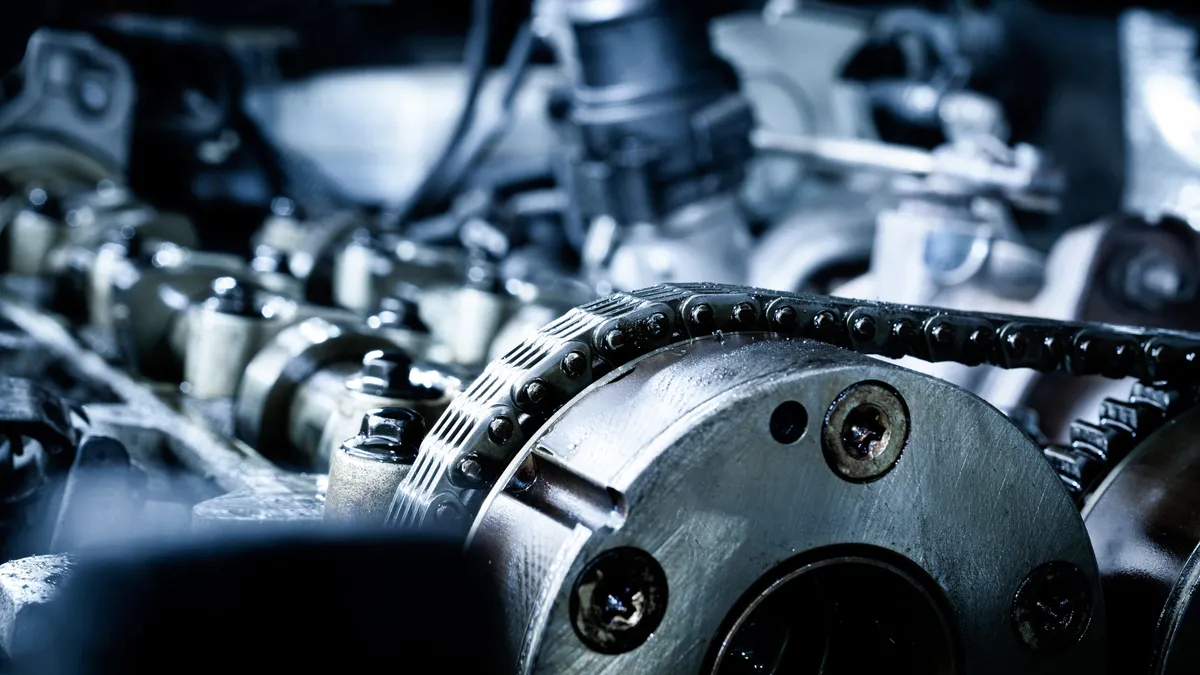
In a significant development for the auto parts industry, a U.S. bankruptcy judge has rejected First Brands' proposal to resolve its staggering debts through litigation against insiders. This decision, made by U.S. Bankruptcy Judge Christopher Lopez, has converted the company's bankruptcy case into a Chapter 7 liquidation, marking a critical turning point in the company's financial struggles. With debts exceeding $9 billion and a challenging market environment, First Brands' pathway to recovery has become even more complicated, raising alarms among creditors and industry observers alike.
First Brands filed for bankruptcy in September with only $14 million in cash, a startling figure given its liabilities. The company had taken drastic measures, including borrowing an additional $1.1 billion from its lenders to navigate its financial crisis. However, these efforts proved insufficient, as the company rapidly depleted its resources by January, leaving it reliant on prepayments from major clients like Ford and General Motors.

The Rejection of a Litigation-Based Recovery
Judge Lopez's primary concern revolved around First Brands' proposed Chapter 11 plan, which aimed to defer at least $222 million in payments to creditors. The judge's rejection underscores a growing skepticism regarding the viability of pursuing legal actions against insiders, including the company's indicted founder, Patrick James. The plan suggested establishing litigation trusts intended to recover funds through lawsuits, but Judge Lopez pointed out that these lawsuits would require an extraordinary $1.9 billion in recoveries before administrative claims could be settled.
Concerns Over Recovery Potential
Creditors and regulatory bodies, including the U.S. Justice Department's bankruptcy watchdog, expressed skepticism over the success of the proposed legal pursuits. Given the company's history of financial mismanagement and the indictment of its leadership, the prospect of substantial recoveries appeared slim. This skepticism was rooted in concerns about the opaque nature of private credit markets and the potential for ongoing losses to investors and creditors.
First Brands' Financial Landscape
To understand the implications of this bankruptcy ruling, it’s essential to grasp First Brands' financial situation prior to the filing. The company accrued billions in liabilities, not only during its bankruptcy proceedings but also leading up to it. For example, its attempts to sell various business lines yielded only a fraction of its debts. The company managed to sell off its Horizon towing business for $64 million, Toledo Molding & Die for $80 million, and Walbro for $50 million—totals that fall drastically short of addressing its financial obligations.
These figures illustrate the broader challenges faced by First Brands, shedding light on the precarious state of the auto parts market. As major manufacturers grapple with supply chain disruptions and rising costs, the fallout from First Brands' financial woes may reverberate throughout the industry.

The Impact on Creditors and Investors
The judge's ruling has significant consequences for First Brands' creditors, who were already facing uncertainty regarding their recoveries. With the transition to Chapter 7 liquidation, creditors may now have to brace for a more protracted process of asset recovery. Under Chapter 7, the company will cease operations, and a trustee will be appointed to liquidate its assets in an attempt to pay off debts.
- Increased uncertainty: Creditors face a more complex and time-consuming recovery process.
- Potential losses: Many creditors may not recover their investments, as liquidations often yield lower returns than anticipated.
- Market implications: First Brands' collapse may deter future investments in the auto parts sector, particularly from private equity firms wary of troubled borrowers.
Lessons Learned from First Brands' Bankruptcy
This situation serves as a cautionary tale for both companies and investors in the auto parts industry. The fallout from First Brands' bankruptcy highlights the importance of financial transparency, effective management, and a robust risk assessment framework. Investors must be vigilant in evaluating the creditworthiness of their portfolios, particularly in an environment where private credit markets remain opaque and filled with potential pitfalls.

What Comes Next for First Brands?
As First Brands transitions into liquidation, several key questions arise regarding the future of the company and its stakeholders. The appointed trustee will need to navigate a complex landscape of assets, liabilities, and legal challenges. For the creditors, the timeline for recovery is uncertain, and they may need to brace themselves for a protracted process.
Furthermore, the auto parts industry must reckon with the implications of First Brands' financial collapse. With ongoing supply chain issues and rising production costs, the market is already strained. The ripple effects of this bankruptcy could lead to a tightening of credit, with lenders becoming more cautious in extending loans to automotive suppliers and manufacturers.
Key Takeaways
- First Brands' bankruptcy case has shifted from a proposed Chapter 11 plan to a Chapter 7 liquidation.
- Creditors may face significant challenges in recovering their investments, given the company's liabilities and asset sales.
- The ruling raises broader concerns about the health of the auto parts industry and the risks associated with private credit markets.
- Investors should remain vigilant in assessing the creditworthiness of companies within the sector.
Frequently Asked Questions
What does Chapter 7 liquidation mean for First Brands?
Chapter 7 liquidation means that First Brands will cease all operations, and a trustee will be appointed to sell off the company's assets to pay creditors. This process typically results in lower recovery rates for creditors compared to a restructured plan under Chapter 11. The focus will be on maximizing asset value through liquidation rather than attempting to rehabilitate the company's financial situation.
How will this ruling affect other companies in the auto parts industry?
The fallout from First Brands' bankruptcy could create a ripple effect in the auto parts industry, leading to increased scrutiny from investors and lenders. Companies may face heightened risk assessments, resulting in tighter credit and more cautious lending practices. This environment could stifle innovation and growth within the sector, further complicating recovery efforts in a challenging market.
What can creditors expect moving forward?
Creditors of First Brands should prepare for a lengthy and uncertain recovery process. With the company now in liquidation, the timeline for asset recovery is unpredictable. Creditors may need to engage in negotiations regarding their claims and may ultimately receive lower-than-expected returns on their investments, depending on the value of the liquidated assets.
What are the implications of insider litigation in bankruptcy cases?
Insider litigation in bankruptcy cases can be a complex and contentious issue. While it may provide a potential avenue for recovery, the success of such lawsuits often hinges on the ability to prove wrongdoing and the availability of assets to satisfy claims. In First Brands' case, the judge expressed skepticism about the viability of pursuing such lawsuits, indicating that creditors may have limited recourse in recovering their investments through litigation against insiders.
Comments
Canada Imposes $20 Billion in Retaliatory Tariffs Against U.S.
In a fierce response to U.S. tariffs, Canada has announced $20 billion in counter-tariffs targeting a wide range of American goods. This move signifies escalating trade tensions and its implications for both economies.

Related articles





Popular in Business Insurance
- Surging War-Risk Insurance Rates in the Strait of Hormuz: What It Means for Shipping
- Ross & Yerger Insurance Faces Class Action Over Data Breach Allegations
- Sompo Expands U.S. Workers' Compensation Portfolio with Service Insurance Acquisition
- Legal Battle Unfolds Over $1 Million Truck Crash Insurance Payout
- Howden Group's Ambitious Journey Toward IPO and Expansion