Understanding AI Exclusions in Commercial Contractor Insurance Policies
A significant shift is underway in contractor insurance with the introduction of generative AI exclusions. This article explores the implications for contractors and how these exclusions could impact claims.

The landscape of contractor insurance is evolving rapidly, particularly with the advent of generative artificial intelligence (AI). A recent nationwide review revealed that insurance carriers are increasingly including exclusions for generative AI in the standard commercial lines that contractors typically carry. This development represents a significant shift in how risks associated with modern technology are perceived and managed in the insurance sector.
According to Trades Coverage, a licensed insurance producer and marketplace, there are now over 4,000 state-level records of generative AI exclusions filed by carriers across 49 states and the District of Columbia. This marks a dramatic increase from zero exclusions just a few years ago, reflecting the growing intersection between technology and risk in the construction industry. As of July 31, 2025, 2,369 of these exclusions were already in force, indicating that contractors may unwittingly find themselves without coverage for certain claims.
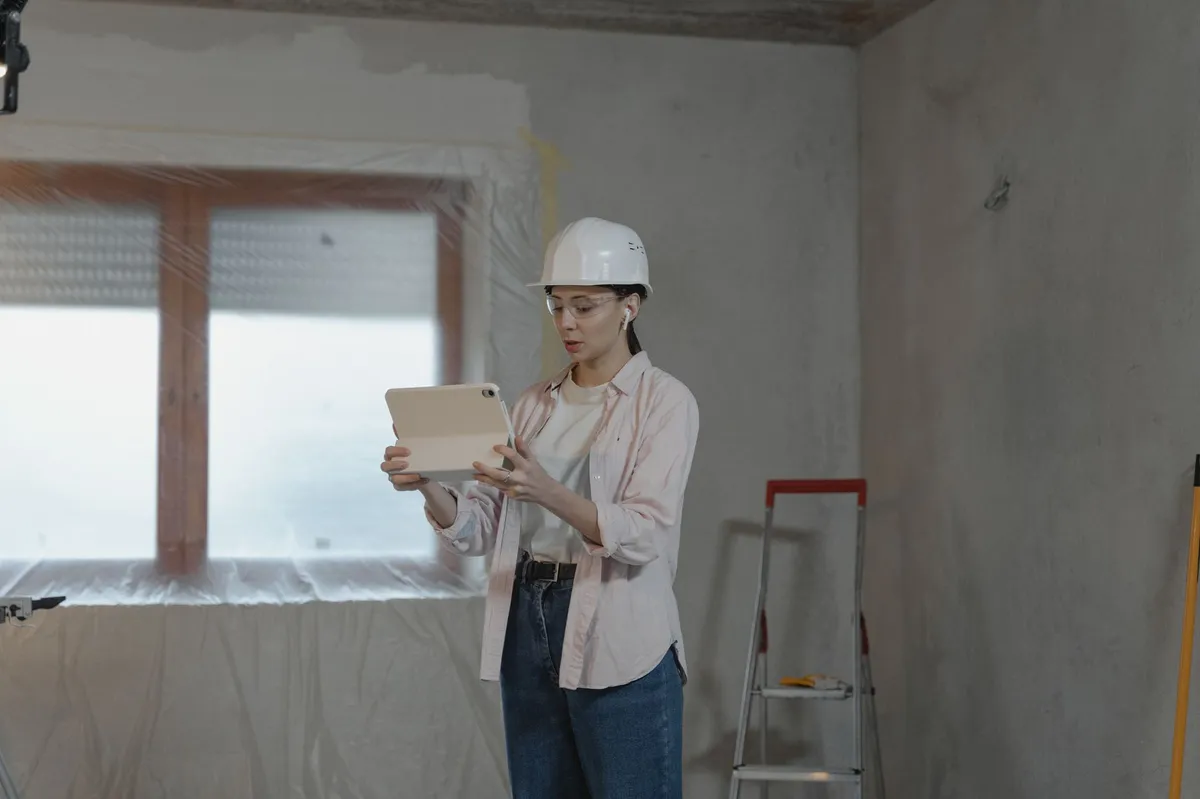
The Rise of AI and Its Implications for Contractors
The integration of AI into business operations, particularly in the construction sector, has been notable. A survey by ServiceTitan in 2026 showed that 38% of contractors reported measurable impacts on their business due to AI, a significant increase from 17% in 2025. The most common applications for AI include cost estimating and bid management, which were reported by 24% and 22% of contractors, respectively. This shift towards automation and smart technology is creating efficiencies but also introducing new complexities in risk management.
Understanding Generative AI Exclusions
The exclusions in question stem from six standard forms published by the Insurance Services Office (ISO) in July 2025. The ISO plays a critical role in developing the standard policy language used throughout the U.S. property and casualty market. Following their release, insurance carriers wasted no time filing these forms, with monthly filings peaking at 413 by February 2026.
Among the 4,078 records identified, **3,955** pertain to coverage lines that contractors and small businesses commonly use, including:
- Commercial General Liability (CGL)
- Umbrella and Excess Liability
- Commercial Package Policies
- Businessowners Policies
- Errors and Omissions Coverage
These exclusions are not limited to a narrow scope; they can affect a wide range of claims. For instance, the broadest exclusion form, CG 40 47, removes coverage for bodily injury, property damage, and advertising injury claims that arise from generative AI. This means that if a contractor uses AI for even a single estimate, they could find themselves without coverage for claims related to that project, regardless of how much of the overall work was conventional.
The Impact of AI Exclusions on Claims
The practical implications of these exclusions are profound. Contractors may not fully grasp the extent to which their use of AI could impact their insurance coverage. For example, if a contractor employs AI to assist in project estimates or design decisions, any subsequent claims related to that project could potentially be excluded from coverage. The critical factor is not the extent of AI's involvement but the mere fact that it was used at any stage of the project.
Challenges in the Insurance Market
One of the most pressing issues facing contractors regarding these exclusions is the lack of replacement products. When the insurance industry first began addressing cyber risks, standalone cyber insurance options emerged, allowing businesses to backfill coverage that was lost. However, as of now, there are no admitted standalone products available for contractors to address the newly excluded AI exposure.
This absence of alternatives is a crucial difference from past transitions in the insurance market and raises concerns about the adequacy of risk management strategies for contractors. As more carriers introduce AI exclusions, contractors are left without a viable path to regain coverage for risks previously deemed insurable.

The Role of Brokers in Navigating New Exclusions
For larger construction companies, monitoring these insurance filing activities is typically the responsibility of dedicated risk managers. However, for smaller contractors, this responsibility often falls on their insurance brokers. It is imperative for brokers to stay informed about the latest developments in policy exclusions and to proactively communicate these changes to their clients.
Contractors should work closely with their brokers to review their policies, especially any that have been renewed since August 2025. Many of these policies may now carry one of the ISO forms or a carrier-drafted equivalent that includes generative AI exclusions. Understanding the implications of these exclusions is essential for contractors to avoid gaps in coverage that could have significant financial repercussions.
Key Takeaways
- Generative AI exclusions are being filed across multiple states, with thousands of records already in force.
- These exclusions can affect a wide range of coverage lines, including Commercial General Liability and Errors and Omissions policies.
- Contractors may face significant risks if they utilize AI, as even minor involvement can trigger exclusions.
- There is currently no standalone insurance product available to replace the lost coverage due to these exclusions.
- Brokers play a crucial role in helping contractors navigate these changes and understand their implications.
Frequently Asked Questions
What are generative AI exclusions in contractor insurance?
Generative AI exclusions in contractor insurance are specific clauses that limit or eliminate coverage for claims arising from the use of generative AI. These exclusions have been introduced in various standard commercial insurance forms and can significantly impact contractors who incorporate AI into their business processes. The exclusions are based on the principle that any claim connected to AI, regardless of the extent of its use, may not be covered.
How can contractors mitigate the risks associated with these exclusions?
Contractors can mitigate the risks associated with generative AI exclusions by working closely with their insurance brokers to assess their current coverage and understand the implications of these exclusions. This may include exploring additional insurance products or alternative risk management strategies to address potential gaps in coverage. Being proactive in reviewing policies and understanding the terms can help contractors protect their interests.
Is there a market for standalone insurance to cover AI-related risks?
As of now, there is no admitted standalone insurance product specifically designed to cover the AI-related exclusions facing contractors. This absence of coverage options poses a challenge for those using AI in their operations, as they may find themselves exposed to risks that were previously covered. Industry stakeholders are actively discussing the need for such products, but until they materialize, contractors should remain vigilant about their policy terms and exclusions.
Comments
Canada Imposes $20 Billion in Retaliatory Tariffs Against U.S.
In a fierce response to U.S. tariffs, Canada has announced $20 billion in counter-tariffs targeting a wide range of American goods. This move signifies escalating trade tensions and its implications for both economies.
Related articles



Popular in Business Insurance
- Surging War-Risk Insurance Rates in the Strait of Hormuz: What It Means for Shipping
- Ross & Yerger Insurance Faces Class Action Over Data Breach Allegations
- Sompo Expands U.S. Workers' Compensation Portfolio with Service Insurance Acquisition
- Legal Battle Unfolds Over $1 Million Truck Crash Insurance Payout
- Howden Group's Ambitious Journey Toward IPO and Expansion