HDI Global Expands Fine Art and Specie Insurance Under Tobias Sigurdsson
HDI Global is enhancing its presence in the fine art and specie insurance market with the appointment of Tobias Sigurdsson as global head. This strategic move aims to provide bespoke solutions for high-value risks, catering to museums, galleries, and private collections.
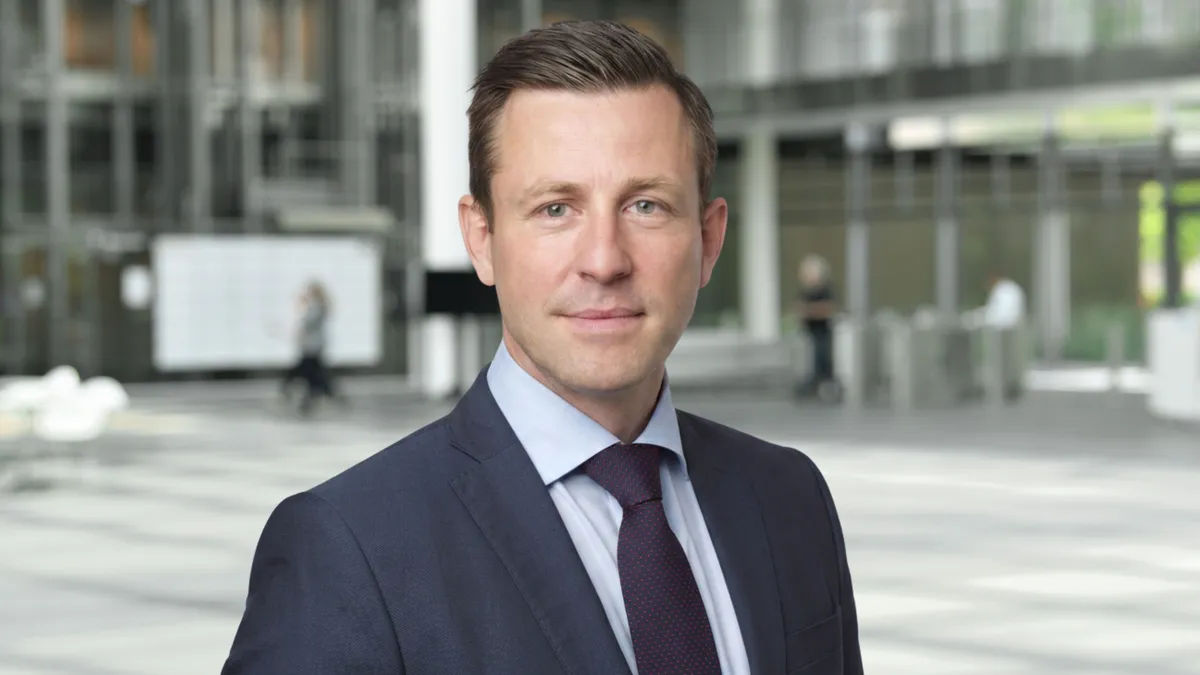
The fine art and specie insurance market is witnessing a significant transformation, as HDI Global takes a bold step to solidify its position within this niche yet critical sector. Appointing Tobias Sigurdsson as the global head of fine art and specie, HDI Global aims to expand its underwriting capabilities and provide tailored solutions to meet the intricate needs of clients who manage high-value assets, such as museums, galleries, and private collectors. With a wealth of experience in the insurance industry, particularly in cargo and specie underwriting, Sigurdsson is poised to lead the charge in a market characterized by its technical complexity and the necessity for robust client relationships.
Sigurdsson’s appointment comes at a time when the global fine art insurance market is experiencing robust growth, projected to increase from approximately $12.4 billion in 2025 to an impressive $22.8 billion by 2034, according to industry analysts. This expansion is fueled by a mix of low loss ratios and high client retention rates, making fine art and specie an attractive line for underwriters. As Sigurdsson steps into this newly created role, he brings with him a strong foundation in underwriting, informed by his past leadership roles and a deep understanding of the liabilities associated with fine art and precious commodities.
Understanding Fine Art and Specie Insurance
Fine art and specie insurance is a specialized area within the insurance industry that provides coverage for high-value items, including art pieces, precious metals, and collectibles. This sector requires a nuanced understanding of the risks involved, as well as the ability to navigate complex underwriting processes. The complexity of this market is highlighted by the fact that only a handful of insurance carriers possess the technical expertise necessary to underwrite substantial fine art and specie placements effectively.
The Risk Landscape
Accidental damage during transit accounts for approximately **50%** of all fine art claims, while theft comprises about **25%**. This predictable loss profile makes the market an attractive proposition for insurers. However, the competitive landscape is evolving, with carriers increasingly differentiating themselves through their underwriting quality and expertise rather than simply their capacity to write policies. As noted by Rafael Rebitzky, HDI Global's global head of specialty lines, the ability to deliver bespoke solutions is crucial in a market where expertise and long-term relationships are paramount.

Market Dynamics and Competitive Landscape
The fine art and specie insurance market is not only growing in size but also in competitiveness. Various insurance carriers are ramping up their commitments and capabilities in this sector. For instance, Tokio Marine Kiln's recent promotion of Cameron Spencer and Jake Burgess to jointly lead fine art and specie initiatives signals a strategic intent to compete for larger accounts. Their decision to increase the maximum line size for fine art and specie risks from **$125 million to $200 million** exemplifies the drive to cater to high-value placements.
Other players, such as Liberty Specialty Markets and Markel Insurance, have also been enhancing their teams and resources dedicated to this sector. These moves reflect a broader trend within the insurance industry, where firms are recognizing the value of specialized knowledge and the need for tailored solutions to meet the evolving demands of clients.
The Role of Underwriting Authority
One noteworthy aspect of HDI Global’s strategy is its intent to develop local underwriting authority in key regions. This initiative is particularly relevant for brokers dealing with accounts outside traditional art market centers such as London and New York. By fostering local expertise, HDI Global aims to offer more relevant and responsive solutions that align with the specific needs of domestic clients. This localized approach is crucial in a market where understanding regional risks and nuances can substantially impact coverage adequacy and claims handling.

Profile of Tobias Sigurdsson
Tobias Sigurdsson’s journey in the insurance industry began in marine claims back in **2002**. Over nearly **15 years** at Länsförsäkringar, he honed his skills in cargo and marine underwriting before transitioning to Inter Hannover, which later became part of HDI Global. His extensive background in marine and cargo underwriting provides him with a solid technical foundation to navigate the intricacies of fine art and specie claims, particularly regarding liability and valuation during transit.
Sigurdsson holds a law degree from Uppsala University and has completed maritime law studies at the University of Oslo, equipping him with a unique perspective on the legal considerations that underlie fine art insurance. His legal acumen, combined with his deep industry experience, positions him to lead effectively in a sector that demands both technical expertise and an understanding of client needs.

The Future of Fine Art and Specie Insurance
The trajectory of the fine art and specie insurance market suggests that as wealth concentration increases globally, so too will the demand for comprehensive insurance solutions for high-value collections. With the market expected to grow at a compound annual growth rate of **7%**, insurers will need to innovate continually to remain competitive while also managing risks effectively.
As the market evolves, brokers and clients alike must be vigilant in seeking out insurers that not only offer competitive pricing but also possess the specialized knowledge required to handle complex placements. The importance of strong relationships in this sector cannot be overstated; having an insurer that understands the nuances of high-value collections can significantly enhance the claims experience and ensure adequate coverage.
Key Takeaways
- HDI Global appointed Tobias Sigurdsson as global head of fine art and specie, reflecting its commitment to this niche market.
- Fine art and specie insurance is characterized by low loss ratios and high client retention, making it attractive to underwriters.
- The market is projected to grow significantly, from $12.4 billion in 2025 to $22.8 billion by 2034.
- Local underwriting authority is crucial for providing tailored solutions in diverse regions.
- The competitive landscape is shifting toward expertise and quality in underwriting rather than just capacity.
Frequently Asked Questions
What is fine art and specie insurance?
Fine art and specie insurance provides coverage for high-value items such as artworks, jewelry, and precious metals. This specialized insurance is crucial for museums, galleries, and private collectors who manage significant assets prone to risks such as theft or damage during transit. The insurance is tailored to address the unique challenges associated with insuring valuable and often irreplaceable items.
Why is local underwriting authority important in this sector?
Local underwriting authority allows insurers to better understand and respond to the specific risks associated with different geographic regions. This approach is essential for providing relevant coverage and ensuring that the unique needs of clients are met. By developing local expertise, insurers like HDI Global can offer tailored solutions that reflect the nuances of local markets, enhancing the overall client experience.
How does the competitive landscape affect my insurance options?
The competitive landscape in fine art and specie insurance is rapidly evolving, with more carriers entering the market and existing players expanding their offerings. This increased competition can lead to better pricing and more innovative products for consumers. However, it is crucial for clients to assess the expertise and reputation of insurers, as the quality of underwriting and claims handling can significantly impact their coverage experience.
What trends should clients watch for in the fine art and specie insurance market?
Clients should be aware of trends such as the increasing importance of specialized knowledge and underwriting quality. As the market grows, insurers will likely focus on building strong relationships with clients and brokers, emphasizing tailored solutions rather than just competitive pricing. Additionally, the rise in high-value collections globally will drive demand for more comprehensive and innovative insurance products.
Comments
Canada Imposes $20 Billion in Retaliatory Tariffs Against U.S.
In a fierce response to U.S. tariffs, Canada has announced $20 billion in counter-tariffs targeting a wide range of American goods. This move signifies escalating trade tensions and its implications for both economies.

Related articles




Popular in Business Insurance
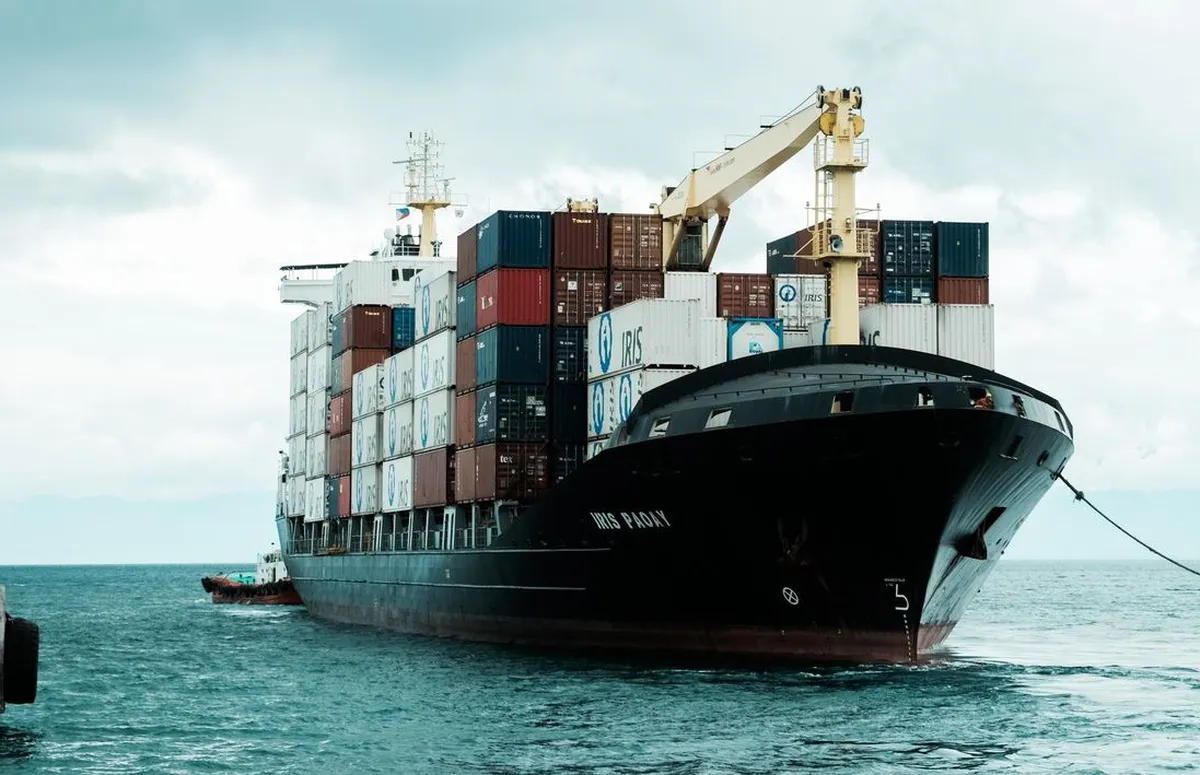
- Surging War-Risk Insurance Rates in the Strait of Hormuz: What It Means for Shipping
- Ross & Yerger Insurance Faces Class Action Over Data Breach Allegations
- Sompo Expands U.S. Workers' Compensation Portfolio with Service Insurance Acquisition
- Legal Battle Unfolds Over $1 Million Truck Crash Insurance Payout
- Howden Group's Ambitious Journey Toward IPO and Expansion