Honda and Nissan Collaborate on Advanced Vehicle Software for 2029
Honda and Nissan are set to revolutionize vehicle technology by jointly developing standardized electronic control units for software-defined vehicles, aiming for a 2029 rollout. This collaboration reflects a growing trend in the automotive industry towards software integration and competition with emerging electric vehicle manufacturers.

In a significant move that underscores the increasing importance of software in the automotive industry, Japanese automakers Honda and Nissan have announced a partnership to develop standardized electronic control units (ECUs) for software-defined vehicles (SDVs). This initiative, which will see its first implementations in vehicles by the 2029 financial year, marks a deepening of their collaboration on advanced vehicle technology. As cars evolve into increasingly complex machines capable of autonomous driving and connectivity, the integration of sophisticated software systems has become a key competitive battleground among manufacturers.
The announcement comes amid a rapidly changing automotive landscape where software plays a pivotal role in vehicle functionality. Today’s cars are not just modes of transportation; they are becoming mobile platforms for entertainment, navigation, and even remote software updates. As the demand for these features grows, so do the costs associated with developing the necessary technologies. The partnership between Honda and Nissan aims to streamline these expenses by establishing common specifications for their ECUs, which are crucial for the management of various electrical and electronic components within vehicles.
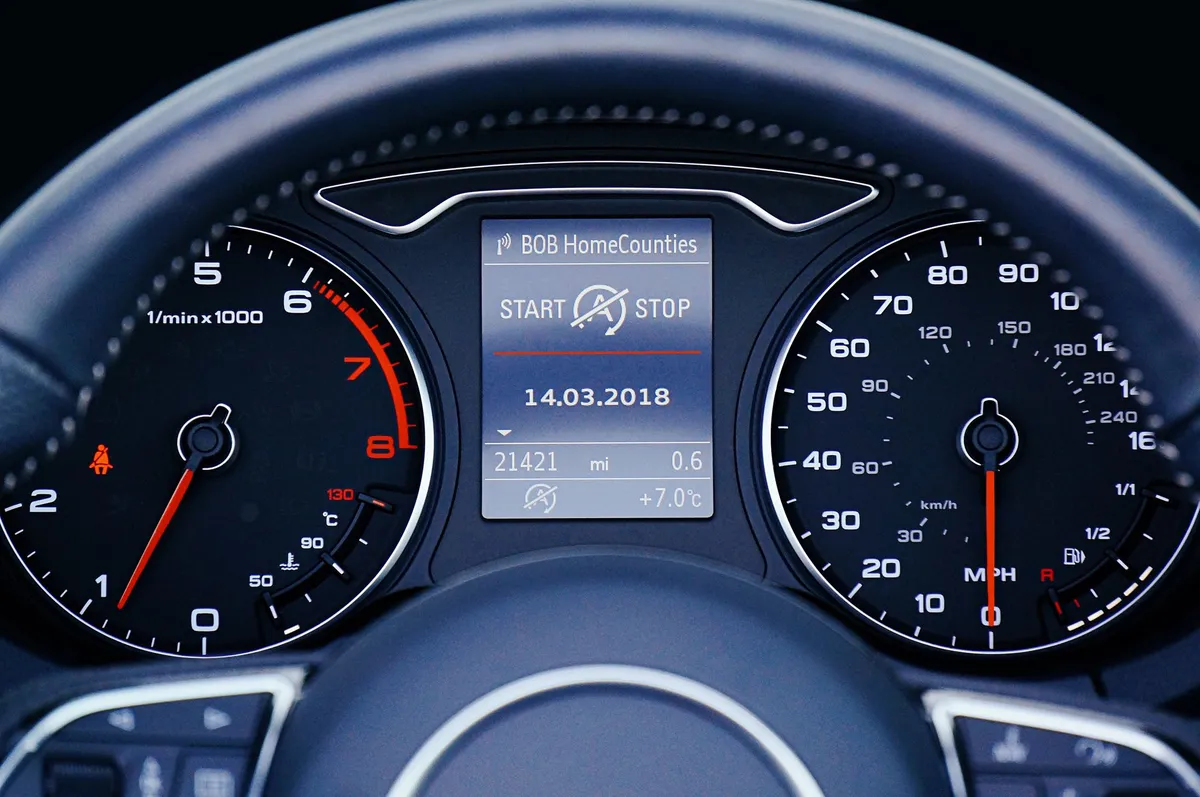
Understanding Software-Defined Vehicles
Software-defined vehicles represent a new paradigm in automotive design and manufacturing. Unlike traditional vehicles, which are primarily hardware-driven, SDVs rely heavily on software to control a wide range of functions—from basic operations like steering and braking to advanced features such as adaptive cruise control and infotainment systems. This shift towards software-centric vehicles has been propelled by consumer demand for greater connectivity and automation.
The Role of Electronic Control Units
At the heart of this transition are electronic control units (ECUs). These units are microprocessors that control various vehicle functions and communicate with one another to ensure smooth operation. As vehicles become more software-driven, the complexity of ECUs increases, leading to higher development costs and longer timelines for bringing new vehicles to market. By standardizing ECUs, Honda and Nissan aim to reduce these costs and simplify the integration of new technologies.
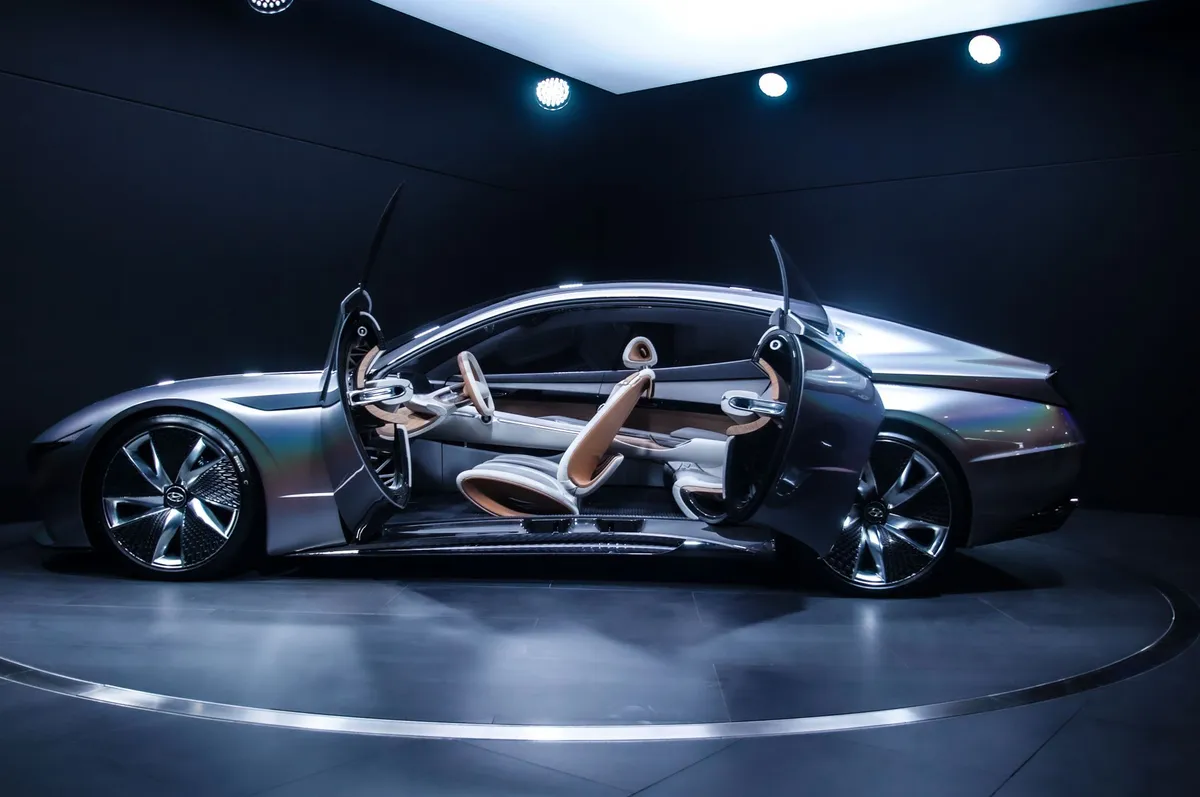
A Competitive Response to Industry Pressures
The collaboration between Honda and Nissan is not occurring in a vacuum. The automotive industry is facing intense competition, particularly from Chinese manufacturers like BYD, which have made significant strides in markets such as Europe and Southeast Asia. These companies are not only producing electric vehicles (EVs) but are also incorporating advanced software features that enhance the driving experience. As a result, established automakers are feeling pressure to innovate rapidly.
Furthermore, the partnership comes on the heels of Honda and Nissan's decision to abandon earlier merger talks, which would have created the world's fourth-largest automaker. Instead, the two companies have opted for collaboration on specific technological advancements, allowing them to leverage their respective strengths while maintaining their independence.
Potential Impacts on the Automotive Market
The introduction of standardized ECUs and a cooperative approach to software development could have far-reaching implications for the automotive market. Here are some potential impacts:
- Cost Efficiency: By sharing development costs and resources, both Honda and Nissan may reduce the financial burden associated with creating new technologies.
- Faster Innovation: A unified architecture could lead to quicker deployment of new features and updates, keeping pace with consumer expectations.
- Enhanced Safety and Performance: Standardized components may improve the reliability and safety of vehicles, as manufacturers can focus on refining a common technology base.
- Broader Market Reach: By developing competitive software solutions, Honda and Nissan can better position themselves against emerging players in the EV market.
The Future of Automotive Collaboration
As the automotive industry continues to evolve, collaborations such as the one between Honda and Nissan may become the norm rather than the exception. Automakers are recognizing that pooling resources and expertise can lead to advancements that would be challenging to achieve independently. Mitsubishi Motors, Nissan's alliance partner, is reportedly considering joining this collaboration, which could further strengthen the technological capabilities of these manufacturers.
Ultimately, the move towards standardized ECUs and collaborative software development reflects a broader trend in the industry: the shift from individualistic competition to cooperative innovation. This trend may not only benefit the automakers involved but could also enhance the overall consumer experience as vehicles become smarter and more connected.

Key Takeaways
- Honda and Nissan are collaborating to develop standardized electronic control units for software-defined vehicles, aiming for a 2029 rollout.
- This partnership reflects the growing importance of software in modern vehicles, which are becoming increasingly autonomous and connected.
- Standardization may reduce costs, speed up innovation, and enhance vehicle safety and performance.
- The collaboration is a strategic response to competitive pressures from emerging automakers, particularly in the electric vehicle market.
Frequently Asked Questions
What are software-defined vehicles?
Software-defined vehicles are cars that rely heavily on software to manage various functions, including driving, navigation, and entertainment. Unlike traditional vehicles that are primarily hardware-based, SDVs integrate advanced software systems that allow for features like over-the-air updates and autonomous driving capabilities. This shift is transforming how vehicles are designed and operated in today's automotive landscape.
Why are Honda and Nissan collaborating on ECUs?
The collaboration aims to create standardized electronic control units that will streamline the development of software-defined vehicles. By pooling resources and establishing common specifications, Honda and Nissan hope to reduce development costs, enhance innovation, and improve vehicle safety and performance. This approach allows them to compete more effectively with emerging automakers who are rapidly advancing in the EV sector.
How will this impact consumers?
The partnership is expected to lead to faster deployment of new features and improved vehicle reliability. Consumers can look forward to vehicles that not only incorporate the latest technology but also offer enhanced safety features and better performance. As the automotive landscape continues to evolve, the innovations stemming from this collaboration may significantly enhance the driving experience.
What does this mean for the future of the automotive industry?
The collaboration between Honda and Nissan is indicative of a broader trend in the automotive industry towards cooperative innovation rather than fierce competition. As manufacturers recognize the benefits of sharing technology and resources, we may see more partnerships emerging. This could lead to a more rapid evolution of automotive technology and ultimately provide consumers with better and more advanced vehicles in the future.
Comments
Reinsurance Industry Sees Near-Record Returns: What It Means for the Future
The reinsurance sector has reported its second-highest half-year return on equity in a decade, but a deeper analysis reveals complexities that may impact future performance. This article delves into the numbers, trends, and challenges facing the reinsurance market.

Related articles






Popular in Business Insurance
- Surging War-Risk Insurance Rates in the Strait of Hormuz: What It Means for Shipping
- Ross & Yerger Insurance Faces Class Action Over Data Breach Allegations
- Sompo Expands U.S. Workers' Compensation Portfolio with Service Insurance Acquisition
- Legal Battle Unfolds Over $1 Million Truck Crash Insurance Payout
- Howden Group's Ambitious Journey Toward IPO and Expansion