Lloyd's Reports $1.9 Billion Losses from Iran Conflict: Impact on the Insurance Market
Lloyd's of London has quantified the financial toll of the ongoing US-Iran conflict, reporting $1.9 billion in losses. This article explores the implications for the insurance industry and what it means for policyholders.
The ongoing conflict between the United States and Iran has taken a significant toll on the insurance market, with Lloyd's of London recently estimating losses of approximately $1.9 billion directly linked to the hostilities. This revelation marks a critical moment for the insurance industry, particularly for underwriters and brokers dealing with U.S.-originated excess and surplus (E&S) risks. As the insurance community grapples with these figures, understanding the implications becomes essential not only for insurers but also for businesses reliant on marine and energy operations in the region.
Lloyd's half-year report emphasizes that despite these losses, underwriting profitability remains robust. Chief Executive Patrick Tiernan reassured stakeholders that the current situation is not expected to trigger a capital event for the Lloyd's market. However, the report also highlights a complex landscape characterized by heightened risk and declining premiums across various lines of business, particularly marine, energy, and political violence.
The Financial Impact of the Iran Conflict
Lloyd's has quantified the losses from the Iran conflict as £1.4 billion ($1.9 billion), a net figure that suggests even larger gross losses when taking into account the various classes of business affected. This revelation comes in the wake of six months of escalating tensions and military engagements in the Gulf.
Understanding the Losses
While the losses are substantial, they are positioned within the context of Lloyd's overall financial health. The market reported £34.7 billion in gross written premiums and £48.4 billion in capital, indicating that the estimated losses, while impactful, are manageable and far from a solvency threat. Notably, Tiernan's comments reflect confidence in Lloyd's ability to navigate these challenges without significant detriment to its profitability.
- Losses from the Iran conflict: £1.4 billion ($1.9 billion)
- Gross written premium: £34.7 billion
- Capital reserves: £48.4 billion
- Pre-tax profit decline: 16.8% to £3.5 billion ($4.7 billion)

Market Reactions and Underwriting Dynamics
The conflict has exerted significant pressure on specific lines of business, with marine and energy risks experiencing the most pronounced impact. As of late February, tanker traffic in the Gulf had plummeted by over 80%, as vessel owners deemed the physical risk of passage unacceptable. This decline occurred even before a formal blockade was declared, illustrating the prevailing sentiment in the industry regarding the dangers associated with shipping in the region.
Challenges with U.S. Government Initiatives
The U.S. Development Finance Corporation (DFC) had previously announced a $40 billion maritime reinsurance initiative aimed at facilitating energy flow through the Strait of Hormuz. However, reports indicate that this program has yet to provide coverage for any voyages, reflecting a disconnect between governmental efforts and market realities. Brokers have expressed concerns that the DFC's approach treats the situation as an insurance-availability problem, when, in fact, the market's view was that coverage was available but at significantly higher prices.
In contrast to the DFC, Lloyd's has seen its own marine war facilities, spearheaded by Chubb and Beazley, successfully launch and provide necessary capacity for Gulf transits. This proactive approach has allowed underwriters to continue offering coverage, albeit at heightened premiums reflecting the escalating risks.
Pricing Adjustments in Response to Risk
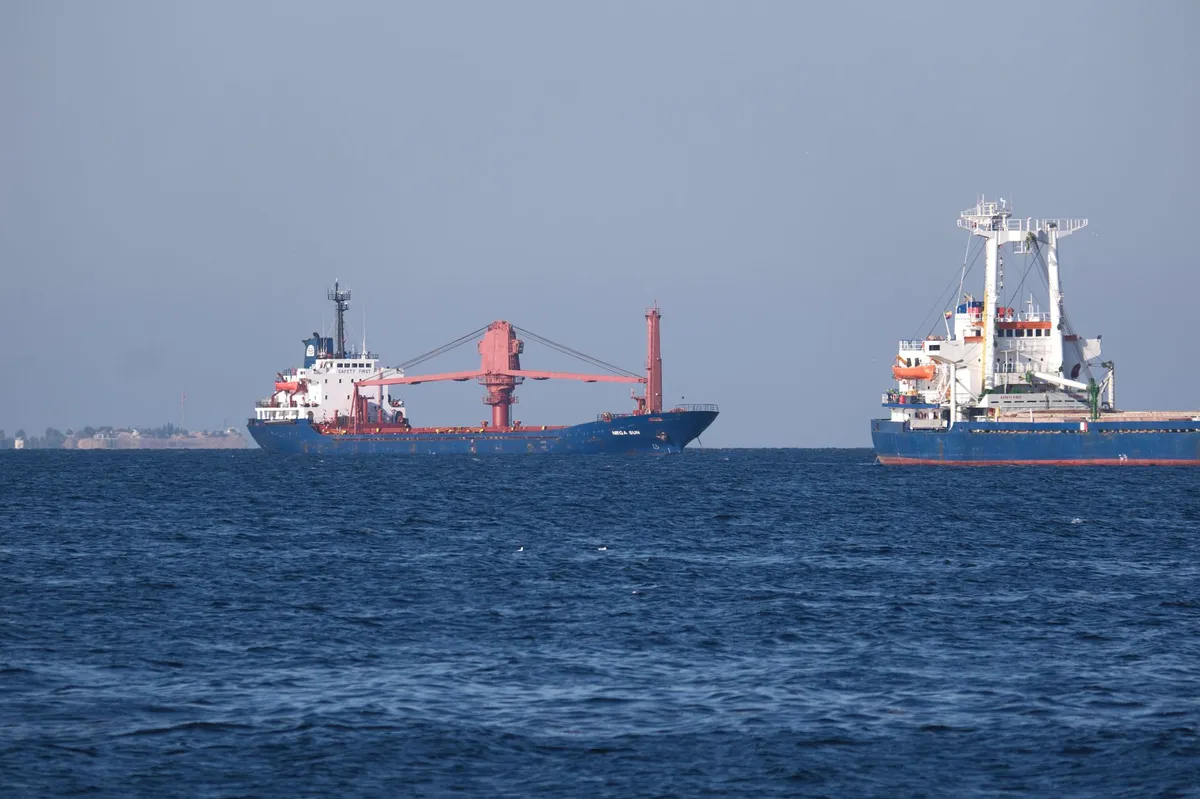
The war-risk premiums for transits through the Strait of Hormuz have surged dramatically since the onset of hostilities. According to Howden Re data, premium pricing for vessels was approximately 0.10-0.125% of their value before the conflict, skyrocketing to around 2-3% by March. This increase represents a staggering twentyfold rise, underscoring the volatility and risks associated with marine operations in the region.
Implications for Renewals and Business Strategy
For businesses operating in or transiting through the Gulf, these premium increases should be factored into renewal conversations. Insurers are turning away increasing volumes of applications, with only 20% of submissions being forwarded to Lloyd's. This tightening of underwriting standards signifies a shift towards a more cautious approach, prioritizing quality over quantity in insurance placements.

Looking Ahead: Market Trends and Future Risks
The broader market landscape is characterized by rapidly changing dynamics and pressures that could reshape the insurance industry. Lloyd's Tiernan described the current environment as “structurally disorderly,” indicating that the pressures affecting underwriting extend beyond the conflict with Iran. Factors such as cyber risk, financial instability, and trade infrastructure challenges are compounding the issues faced by insurers.
Investment Returns and Solvency Considerations
While losses from the conflict play a significant role in the current narrative, it is important to recognize that investment returns have also been a notable drag on profitability. Investment returns fell to £1.8 billion from £3.2 billion, primarily driven by unrealized losses associated with rising bond yields. This issue is not unique to Lloyd's but reflects a broader trend impacting insurance companies with long-duration bond portfolios.
Key Takeaways
- Lloyd's reported £1.4 billion ($1.9 billion) in losses from the Iran conflict.
- Marine and energy lines of business are facing the most significant impacts.
- U.S. government initiatives for maritime insurance have struggled to gain traction.
- War-risk premiums for Hormuz transits have surged dramatically.
- The insurance market is tightening, with increasing underwriting scrutiny and declining application approvals.

Frequently Asked Questions
What are the main causes of the $1.9 billion loss reported by Lloyd's?
The $1.9 billion loss reported by Lloyd's is primarily attributed to the ongoing conflict between the U.S. and Iran, which has led to significant disruptions in marine traffic and energy operations in the Gulf. The losses stem from increased claims associated with marine and energy risks, as well as heightened political violence in the region.
How does this loss impact insurance premiums for businesses?
As a direct result of the conflict, war-risk premiums for transits through the Strait of Hormuz have increased dramatically, rising from approximately 0.10-0.125% of vessel value to around 2-3%. This sharp increase means that businesses operating in or transiting through the Gulf will face significantly higher insurance costs, which should be factored into their operational budgets and renewal discussions.
What steps can businesses take to mitigate their insurance costs amid rising premiums?
Businesses can mitigate rising insurance costs by engaging in proactive risk management strategies, including diversifying shipping routes, enhancing security measures for vessels, and collaborating with experienced brokers to navigate the current market landscape. Additionally, companies should explore different insurance options and negotiate terms with underwriters to ensure they receive the best coverage at competitive rates.
What is the outlook for the insurance market going forward?
The outlook for the insurance market remains uncertain, with pressures stemming from the Iran conflict and broader economic factors contributing to a tightening underwriting environment. Insurers are likely to continue exercising caution in their underwriting practices, leading to higher premiums and potential challenges for businesses seeking coverage in high-risk areas.
Comments
How Delegated Underwriting is Reshaping the Commercial Insurance Landscape
A new report from Moody's reveals that brokers are gaining structural power in commercial insurance through delegated underwriting. This shift impacts how risks are sourced and negotiated, offering both opportunities and challenges for insurers and clients alike.

Related articles




Popular in Business Insurance
- Surging War-Risk Insurance Rates in the Strait of Hormuz: What It Means for Shipping
- Ross & Yerger Insurance Faces Class Action Over Data Breach Allegations
- Sompo Expands U.S. Workers' Compensation Portfolio with Service Insurance Acquisition
- Legal Battle Unfolds Over $1 Million Truck Crash Insurance Payout
- Howden Group's Ambitious Journey Toward IPO and Expansion