Revolutionizing Insurance: How AI is Transforming Claims Processing
AI is reshaping the insurance landscape, particularly in claims processing. Discover how technology is streamlining operations while keeping the human touch integral to the industry.
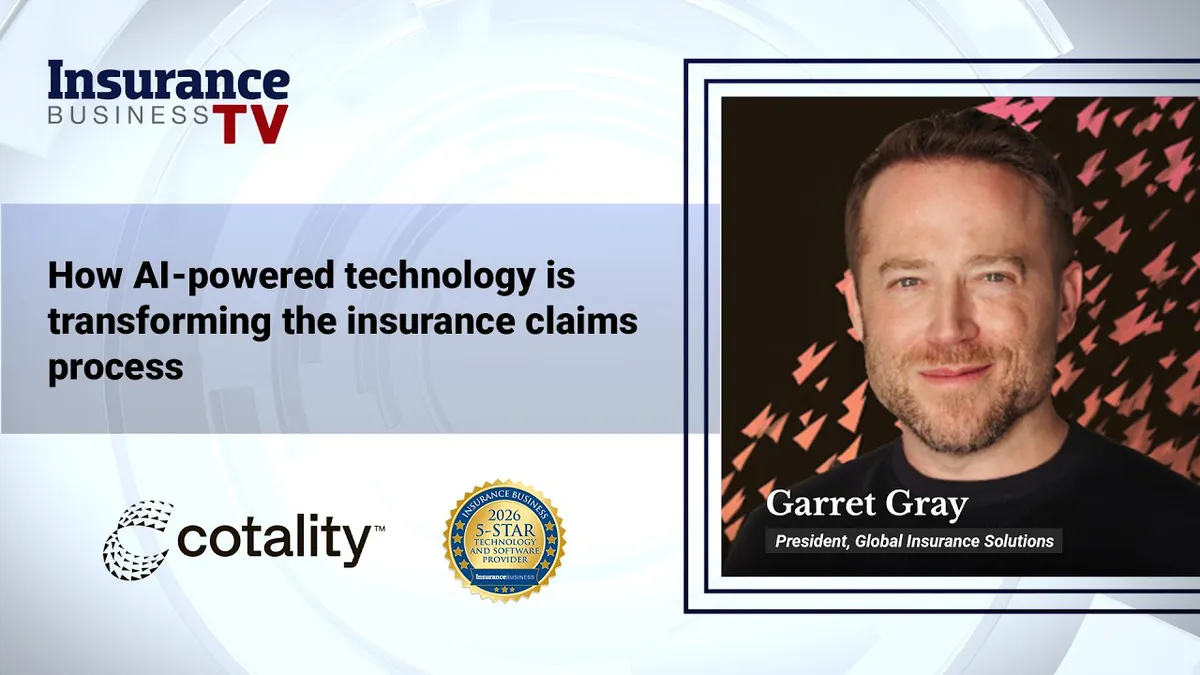
The insurance industry is undergoing a seismic shift, driven by the integration of artificial intelligence (AI) into various processes. One of the most significant areas experiencing this transformation is claims processing. Garret Gray, the president of global insurance solutions at Cotality, recently highlighted the profound impact of AI on claims during an interview with Insurance Business TV. Gray emphasized that while technology brings efficiency, it is crucial to keep the human element at the forefront, ensuring that both adjusters and homeowners benefit from a streamlined experience.
AI has already begun to reshape the way insurance companies handle claims, moving away from traditional, often cumbersome procedures to more agile and effective methodologies. As organizations strive to enhance customer satisfaction and operational efficiency, understanding the implications of these technological advancements becomes increasingly important.

Understanding AI's Role in Claims Processing
At its core, AI in insurance claims processing serves to automate and optimize various tasks that were once manual and time-consuming. From data entry to fraud detection, AI technologies can analyze vast amounts of information quickly and accurately, significantly reducing the time required to process claims. This efficiency not only benefits the insurance companies but also enhances the customer experience by expediting claims payouts.
Automation of Routine Tasks
Many aspects of the claims process can be automated through AI, including:
- Data gathering: AI can extract information from various sources, including policy documents, photos, and customer input.
- Initial claim assessment: Algorithms can evaluate the validity and severity of claims based on historical data.
- Fraud detection: AI can flag suspicious patterns in claims, alerting adjusters to investigate further.
This automation frees up adjusters to focus on more complex cases that require human judgment, allowing for a more personalized approach to claims management.

The Shift from Middlemen to Direct Interaction
A major advantage of AI integration is the potential to eliminate unnecessary intermediaries in the claims process. Traditionally, adjusters acted as middlemen between insurers and policyholders, which could lead to delays and miscommunications. Gray argues that this traditional model can often hinder the speed and efficiency of claims resolution.
Enhancing Direct Communication
With AI-driven platforms, homeowners can engage directly with the claims process through user-friendly interfaces. For instance, they can submit claims via mobile apps, track the status of their claims in real-time, and communicate directly with AI bots trained to answer common queries. This direct interaction not only empowers policyholders but also leads to faster claim resolutions, reducing customer frustration and enhancing satisfaction.

Keeping the Human Element Central
Despite the numerous benefits that AI brings to the table, Gray stresses that it is crucial to maintain a human-centered approach. While automation and technology can streamline processes, the insurance industry is ultimately about people and relationships.
The Importance of Empathy in Claims
Claims often arise during times of stress for policyholders—be it due to accidents, natural disasters, or other unexpected events. Therefore, while AI can efficiently manage data and processes, having human adjusters available to provide empathy, understanding, and personalized support is paramount. This balance between technology and human touch can create a more holistic and fulfilling experience for customers.
Future Implications of AI in Insurance
The future of AI in insurance claims processing looks promising. As technology continues to evolve, we can expect even greater innovations that will further streamline operations and enhance customer experiences. Insurers are likely to invest in more sophisticated AI tools that not only improve efficiency but also provide deeper insights into customer behavior and preferences.
Data-Driven Decision Making
With powerful data analytics capabilities, AI can help insurers make informed decisions about risk assessment and pricing strategies. For example, insurers can analyze claims data to identify trends that may indicate emerging risks, allowing them to adjust their policies and pricing accordingly. This proactive approach can lead to more tailored insurance solutions and better risk management.

Key Takeaways
- AI is revolutionizing claims processing by automating routine tasks, enhancing efficiency, and reducing processing times.
- Direct engagement with homeowners is becoming more common, minimizing the need for intermediaries.
- Maintaining a human-centered approach is crucial for empathy and personalized support in claims management.
- The future of AI in insurance holds the potential for data-driven insights that can improve risk assessment and customer satisfaction.
Frequently Asked Questions
How does AI improve the claims process in insurance?
AI enhances the claims process by automating tasks such as data gathering, initial claim assessments, and fraud detection. This results in faster processing times and allows adjusters to focus on more complex claims that require human intervention. The efficiency gained from AI tools can significantly improve customer satisfaction as claims are resolved more quickly.
Will AI replace insurance adjusters?
While AI is set to automate many aspects of the claims process, it is unlikely to completely replace insurance adjusters. The role of adjusters is evolving; they will focus more on complex cases requiring human judgment and empathy, while AI handles routine tasks. This combination of technology and human oversight is essential for maintaining customer relations in the insurance industry.
What are the implications of AI for homeowners?
For homeowners, the integration of AI in claims processing means a more streamlined and efficient experience. They can expect quicker claim resolutions and direct communication with their insurance providers. This shift empowers homeowners to engage with their claims in real-time, leading to greater transparency and satisfaction throughout the process.
How can insurance companies ensure a human-centered approach while using AI?
Insurance companies can maintain a human-centered approach by ensuring that human adjusters remain accessible to policyholders, particularly during difficult times when claims are filed. Training staff to effectively combine technology with empathetic customer service will help in providing a supportive environment, balancing efficiency with the emotional needs of clients.
Comments
How Delegated Underwriting is Reshaping the Commercial Insurance Landscape
A new report from Moody's reveals that brokers are gaining structural power in commercial insurance through delegated underwriting. This shift impacts how risks are sourced and negotiated, offering both opportunities and challenges for insurers and clients alike.

Related articles







Popular in Business Insurance
- Surging War-Risk Insurance Rates in the Strait of Hormuz: What It Means for Shipping
- Ross & Yerger Insurance Faces Class Action Over Data Breach Allegations
- Sompo Expands U.S. Workers' Compensation Portfolio with Service Insurance Acquisition
- Legal Battle Unfolds Over $1 Million Truck Crash Insurance Payout
- Howden Group's Ambitious Journey Toward IPO and Expansion