NHTSA Investigates Tesla's Autonomous Cybercabs: What You Need to Know
The NHTSA has launched an investigation into Tesla's Cybercab vehicles, questioning their compliance with safety standards. This probe raises significant concerns about the future of autonomous vehicles.
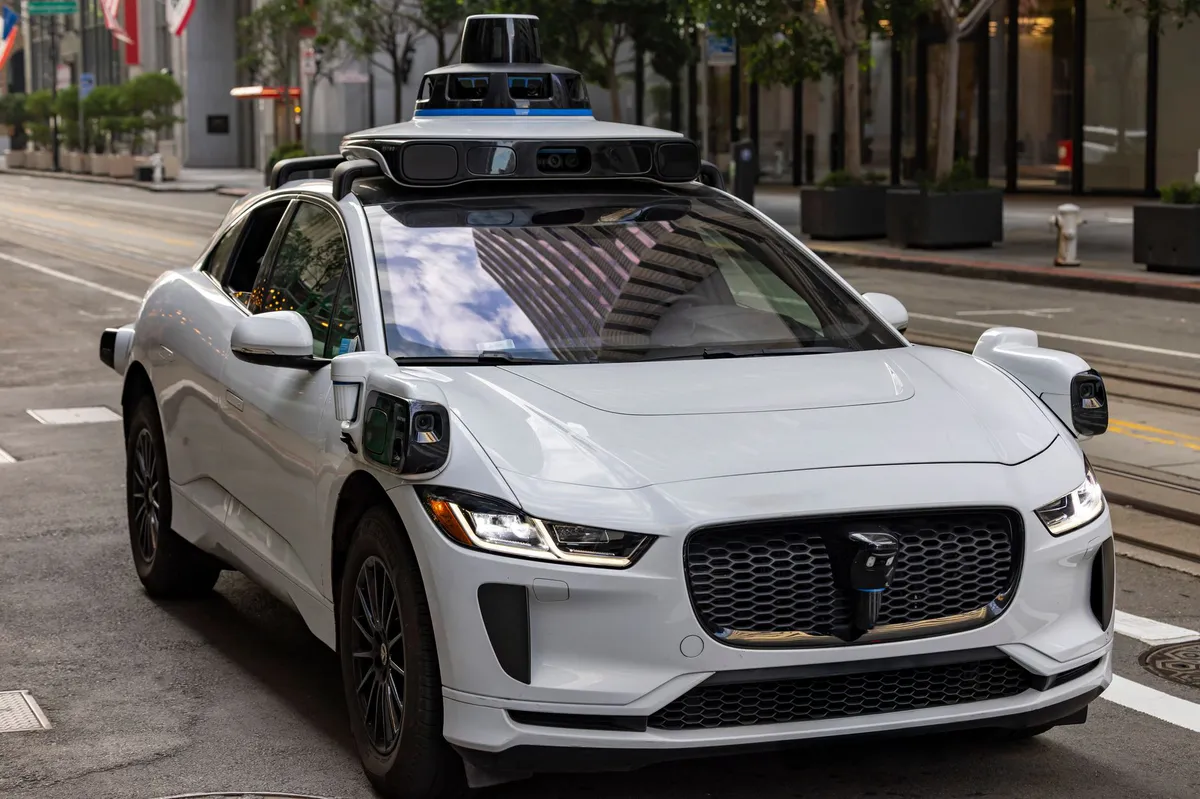
The National Highway Traffic Safety Administration (NHTSA) has initiated a formal audit into approximately 1,000 Tesla Cybercab vehicles, a move that has ignited a heated conversation about the safety and regulatory compliance of autonomous vehicles. This investigation comes on the heels of Tesla's recent launch of its two-seater Cybercab service in Austin, Texas, which marks a pivotal moment in the company's journey toward mainstream acceptance of fully autonomous transportation.
Tesla's Cybercab represents a significant departure from traditional vehicle design, notably lacking permanently attached manual controls like a steering wheel, brake pedal, and accelerator pedal. As the NHTSA delves into the technical data and certification processes that Tesla used to assert compliance with federal vehicle safety standards, the stakes are high—not just for Tesla, but for the entire autonomous vehicle industry. The outcome of this investigation could set precedents influencing regulatory frameworks and consumer trust in self-driving technology.
Understanding the NHTSA's Role
The NHTSA, a part of the U.S. Department of Transportation, oversees vehicle safety standards and ensures that manufacturers comply with federal regulations. When vehicles are introduced to the market, especially those that are revolutionary in design and function, the agency plays a critical role in verifying their safety and efficacy. In the case of the Tesla Cybercab, the NHTSA's investigation is primarily focused on:
- The validity of Tesla's claims regarding compliance with Federal Motor Vehicle Safety Standards (FMVSS).
- The methodology Tesla employed to determine which standards were applicable or exempted for their Cybercab design.
- The potential implications for consumer safety and the regulatory landscape for autonomous vehicles.
The Cybercab's Unique Design
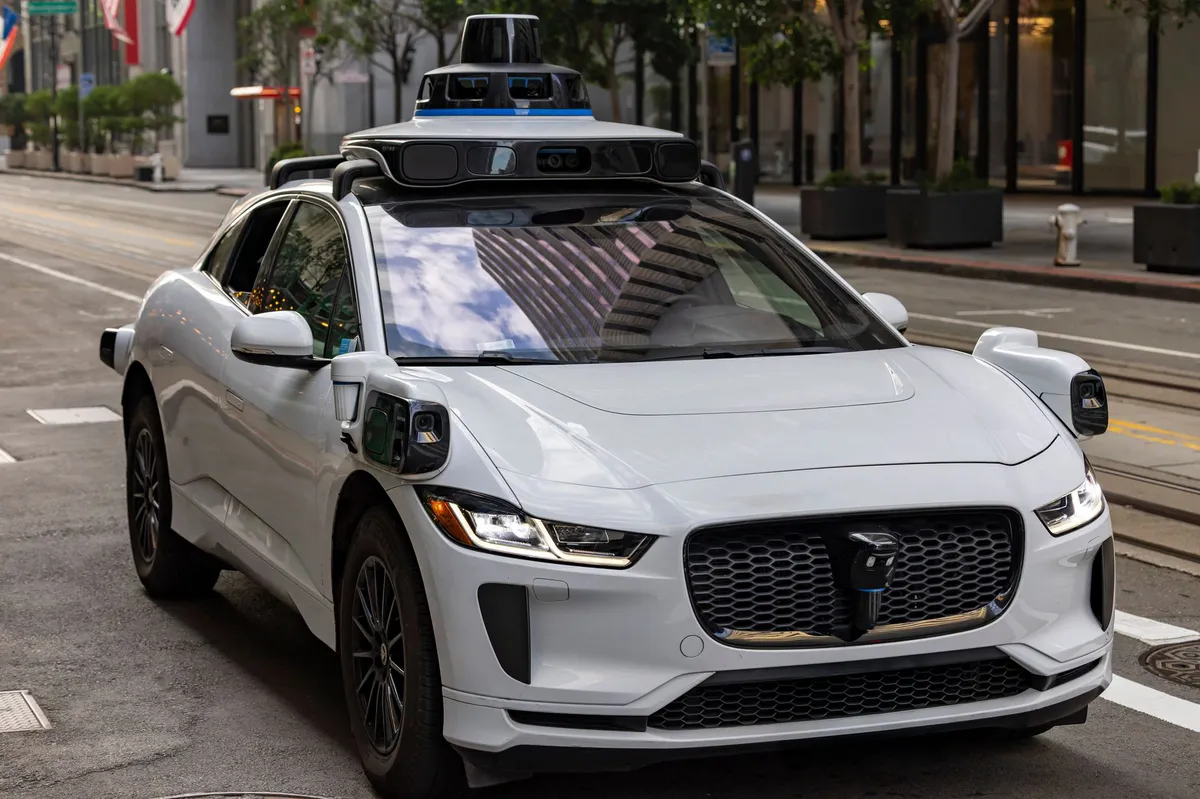
Unlike conventional vehicles, Tesla's Cybercab is designed to operate without driver intervention. This design raises profound questions about user safety and the reliability of the technology that powers these vehicles. The absence of manual controls prompts inquiries into how the vehicle can respond in emergencies, a concern that is magnified when considering the limitations of current autonomous vehicle technology.
For instance, if a Cybercab were to encounter a sudden obstacle, the lack of a traditional steering wheel could hinder a passenger's ability to take control of the vehicle in a critical moment. Such design choices have prompted skepticism not only from regulatory bodies but also from the general public, who may be hesitant to trust their safety to a machine without conventional controls.
The State of Tesla's Autonomous Fleet
As of the last reported figures, Tesla had 420 autonomous vehicles registered in Texas, including 45 Cybercab units. This fleet is part of a broader strategy by Tesla to pioneer the future of transportation through electric and autonomous technology. However, the NHTSA's probe could impact the rollout plans for Tesla's Cybercab service beyond Austin, particularly if compliance issues are identified.
Tesla's ambitious vision of an autonomous future is not without its critics. Stakeholders ranging from consumer advocacy groups to industry experts have raised concerns that the company may be prioritizing innovation over safety. With this investigation, the NHTSA aims to ensure that the rapid development of technology does not outpace the establishment of robust safety standards.
The Implications of NHTSA's Findings
The outcome of the NHTSA's investigation has potential implications for multiple fronts:
- Regulatory Framework: Depending on the findings, the NHTSA could implement stricter regulations for the deployment of autonomous vehicles, affecting not just Tesla, but all manufacturers in the sector.
- Consumer Confidence: A negative outcome could damage consumer trust in Tesla’s autonomous technology, impacting sales and the company's reputation.
- Market Dynamics: Competitors in the autonomous vehicle space may need to reassess their compliance strategies and potentially delay their own product launches to align with any new regulations.
What Consumers Should Know
For consumers, this investigation underscores the importance of understanding the vehicles they choose to ride in. As autonomous vehicles become more prevalent, questions around safety, liability, and transparency will remain at the forefront. Here are several considerations for consumers:
- Stay informed about the safety ratings and compliance statuses of autonomous vehicles.
- Understand the technology behind autonomous vehicles and how it impacts your safety.
- Engage with manufacturers about their safety protocols and the results of any regulatory investigations.

Key Takeaways
- The NHTSA has opened an investigation into Tesla's Cybercab vehicles over safety compliance issues.
- The Cybercab's lack of manual controls raises significant safety and regulatory questions.
- The outcome of the investigation could impact the future of Tesla's autonomous service expansion and the broader autonomous vehicle market.
Frequently Asked Questions
What are the main concerns regarding Tesla's Cybercab?
The primary concerns stem from the Cybercab's design, which lacks traditional manual controls such as a steering wheel and pedals. This raises questions about the vehicle's ability to handle emergencies and comply with federal safety standards. The NHTSA's investigation aims to clarify these issues and ensure that safety is not compromised in the pursuit of innovation.
How does this investigation affect Tesla's future?
The NHTSA's findings could have a significant impact on Tesla's operations, particularly regarding the rollout of the Cybercab and other autonomous vehicles. If the agency identifies compliance issues, Tesla may face delays in deployment or be required to modify its vehicles to meet safety standards, which could affect its market competitiveness.
What should consumers consider when using autonomous vehicles?
Consumers should remain vigilant about the vehicles they use, especially as autonomous technology continues to evolve. Understanding the safety features of autonomous vehicles, reviewing safety ratings, and staying informed about regulatory investigations are essential practices for ensuring personal safety and confidence in autonomous transportation.
Are there other companies facing similar scrutiny?
Yes, as the autonomous vehicle industry grows, multiple companies may face scrutiny from regulatory bodies like the NHTSA. Similar investigations could arise as new technologies are developed and introduced to the market, emphasizing the need for comprehensive safety standards that protect consumers while fostering innovation.
Comments
How Delegated Underwriting is Reshaping the Commercial Insurance Landscape
A new report from Moody's reveals that brokers are gaining structural power in commercial insurance through delegated underwriting. This shift impacts how risks are sourced and negotiated, offering both opportunities and challenges for insurers and clients alike.

Related articles




Popular in Business Insurance
- Surging War-Risk Insurance Rates in the Strait of Hormuz: What It Means for Shipping
- Ross & Yerger Insurance Faces Class Action Over Data Breach Allegations
- Sompo Expands U.S. Workers' Compensation Portfolio with Service Insurance Acquisition
- Legal Battle Unfolds Over $1 Million Truck Crash Insurance Payout
- Howden Group's Ambitious Journey Toward IPO and Expansion