Travelers Insurance Challenges Coverage in Spokane Fatal Crash Case
Travelers Insurance is contesting its obligation to defend Spokane County in a fatal crash lawsuit, arguing the incident was not related to its paving coverage. The case highlights the complexities of insurance liability and the importance of contract language in determining coverage.
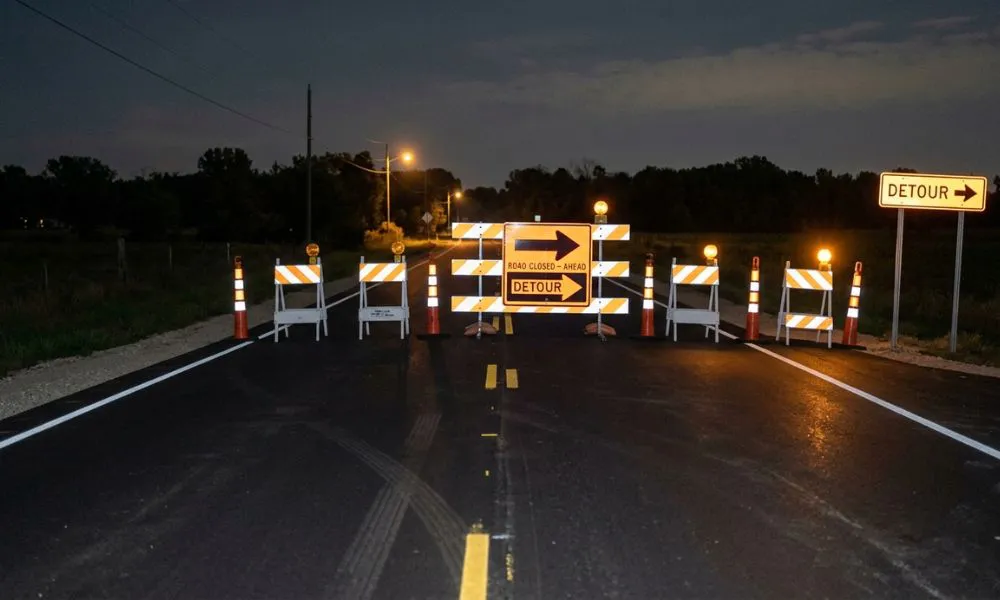
The intersection of construction, insurance, and liability has never been more critical than in the recent case involving Travelers Insurance and a fatal crash in Spokane, Washington. On October 11, 2020, a tragic accident claimed the life of a driver and left his wife injured when their vehicle plummeted down an embankment. As lawsuits unfold, Travelers is trying to extricate itself from the legal defense of Spokane County, claiming that the underlying incident has no connection to the paving work it insured. This case is emblematic of the often convoluted relationship between construction projects, insurance policies, and the legal ramifications that follow a catastrophic event.
At the heart of the case is the Bigelow Gulch Road Project, which was contracted by Spokane County to Scarsella Bros. Inc. on March 17, 2020. The paving work was subcontracted to Poe Asphalt Paving, which completed its work on September 18, 2020. The consequences of this contract have led to a complex legal dispute that underscores the critical importance of contract language and the obligations of insurance companies.
Understanding the Construction and Insurance Framework
In construction projects, various parties are involved, each carrying their own insurance policies. In this case, Poe Asphalt was required to have a commercial general liability (CGL) policy with limits of $3 million per occurrence and $3 million in annual aggregate coverage. This requirement was designed to protect all parties involved, including Spokane County and Scarsella Bros., who were named as additional insureds on Poe's policy.
Travelers Insurance provided a primary policy to Poe with a limit of $1 million per occurrence and $2 million aggregate, complemented by an excess policy providing an additional $4 million. Following the fatal crash, Travelers initially agreed to defend Spokane County and Scarsella Bros. under a full reservation of rights. This legal maneuver allows an insurer to fund a defense while retaining the option to deny coverage later based on the specifics of the case.

The Fatal Incident and Subsequent Lawsuit
The tragic accident occurred when a driver, navigating North Forker Road, inadvertently drove off the end of the road and down an embankment, resulting in his death and serious injuries to his wife. The estate of the deceased driver, along with his widow, filed a lawsuit in 2023 against Spokane County, its public works department, and Scarsella Bros., alleging negligence due to inadequate warning signage, missing guardrails, and other failures attributed to the construction project.
The plaintiffs claim that the road was improperly re-routed and that safety measures, such as warning signs, were not adequately maintained, creating dangerous conditions for drivers. The lawsuit specifically mentions that signs intended to alert drivers were found lying on the ground, covered in hydroseed, a product used for seeding and erosion control.
Travelers' Argument for Non-Coverage
Travelers is now arguing that it should not be responsible for defending Spokane County or Scarsella Bros. against these claims. The crux of their argument rests on a specific clause in the insurance policy that states coverage applies only if the injury or damage arises out of 'your work' as defined in the contractual agreement. According to Travelers, Poe's work was limited to paving the road, and the alleged failures—such as the missing guardrails and downed signs—are not directly related to that work.
This distinction is critical in insurance disputes. Should the court side with Travelers, it could have significant implications for the liability of Spokane County and Scarsella Bros., potentially shifting the financial burden to other insurers involved in the case.

The Role of Other Insurers and Liability Distribution
In its legal filing, Travelers is not only seeking to terminate its defense obligations but also requesting that the costs be reassigned to four other insurers. It argues that Liberty Mutual, which provides general liability insurance to Scarsella Bros., and three other carriers associated with King Hydroseeding (the company responsible for maintaining the hydroseed) should assume primary responsibility for the defense costs.
This situation exemplifies the complexities involved in liability insurance, particularly when multiple parties and policies are in play. The interrelations between different insurers can lead to disputes over who bears financial responsibility in the event of a claim. Travelers is also seeking reimbursement for defense costs it has already incurred, arguing that those costs should have been covered by the primary insurers of the other parties involved.
- Key Points of the Case:
- Travelers Insurance contests its obligation to defend Spokane County in a fatal crash lawsuit.
- The company claims the incident is unrelated to the paving work it insured.
- Travelers seeks to shift defense costs to other insurers involved in the project.
- The lawsuit raises questions about the interpretation of insurance policy language.
- Future rulings could impact liability for public entities in construction-related accidents.

Implications for Public Entities and Contractors
This case underscores the importance of clear contract language and comprehensive insurance coverage for public entities involved in construction projects. As municipalities continue to engage in infrastructure projects, they must be acutely aware of the potential legal ramifications stemming from accidents that occur on or near construction sites.
Public entities like Spokane County can face significant financial exposure if insurance coverage is disputed or if a court rules that they are liable for damages. This situation raises essential questions about risk management and the adequacy of insurance policies to cover unforeseen events, particularly those involving public safety.
Additionally, contractors must ensure that their insurance policies align with the risks associated with their specific work. Adequate coverage not only protects the contractor but also safeguards public entities that rely on these contractors for essential infrastructure. This case serves as a reminder for all parties involved in construction projects to thoroughly review their insurance agreements and understand the implications of their coverage.
Key Takeaways
- The ongoing dispute highlights the complexities of insurance coverage in construction projects.
- Travelers Insurance's argument hinges on the interpretation of specific policy language.
- The case could set a precedent for liability issues faced by public entities in future accidents.
- Clarity in contracts and comprehensive insurance coverage are vital for mitigating risk.
- Stakeholders must remain proactive in understanding their insurance obligations and coverage limits.
Frequently Asked Questions
What is a reservation of rights in insurance terms?
A reservation of rights is a legal term that allows an insurance company to provide a defense to an insured party while retaining the right to deny coverage for specific claims later. This is often used when there is uncertainty about whether the incident falls within the policy's coverage, allowing the insurer to avoid immediate liability while still fulfilling its duty to defend.
How does the concept of additional insured work?
In insurance policies, an additional insured is a party who is not the primary insured but is covered under the policy's terms. This often occurs in construction contracts where subcontractors name the main contractor or project owner as additional insureds. This arrangement allows these parties to access the subcontractor's insurance coverage for claims related to the subcontractor's work.
What are the potential outcomes of this case?
The potential outcomes range from a ruling in favor of Travelers, which could absolve it of defense obligations and shift costs to other insurers, to a ruling that upholds the coverage for Spokane County and Scarsella Bros. Depending on the court's interpretation of the insurance policy language, the ruling could have long-term implications for how liability is managed in construction projects involving public entities.
How can municipalities mitigate risks associated with construction projects?
Municipalities can mitigate risks by ensuring that they have comprehensive insurance policies that clearly outline coverage limits and responsibilities. Additionally, they should conduct thorough due diligence when selecting contractors, verifying that these contractors have robust insurance coverage in place. Regular assessments of ongoing projects and proactive management of safety measures can also help to minimize the likelihood of accidents and resulting litigation.
Comments
Tesla's Cybercab Launch: Navigating Innovation and Regulatory Hurdles
Tesla's launch of its Cybercab robotaxi service is met with regulatory scrutiny, raising important questions about safety and compliance in autonomous vehicles.

Related articles







Popular in Business Insurance
- Surging War-Risk Insurance Rates in the Strait of Hormuz: What It Means for Shipping
- Ross & Yerger Insurance Faces Class Action Over Data Breach Allegations
- Sompo Expands U.S. Workers' Compensation Portfolio with Service Insurance Acquisition
- Legal Battle Unfolds Over $1 Million Truck Crash Insurance Payout
- Howden Group's Ambitious Journey Toward IPO and Expansion