Global Shipping Faces Structural Risks Amid Shadow Fleet Expansion
Eighteen maritime nations warn that global shipping rules are deteriorating due to the rise of an unregulated shadow fleet, creating a two-tier system that threatens international trade and insurance frameworks.
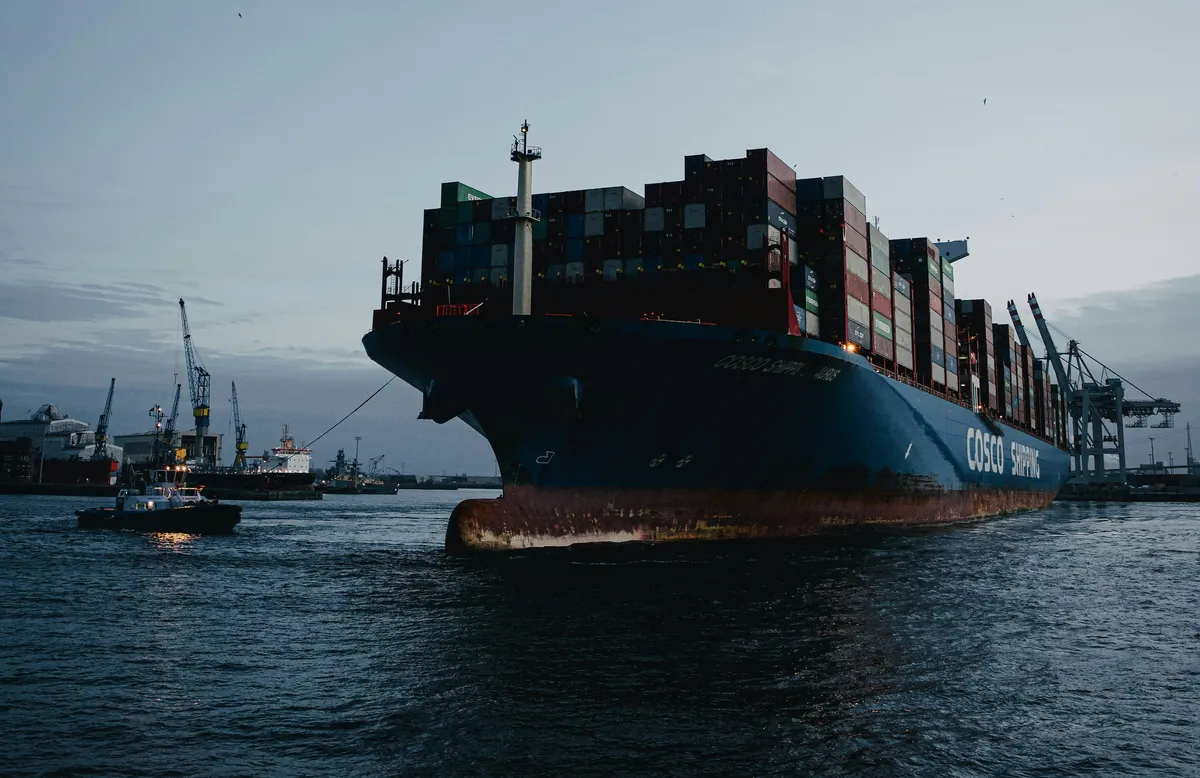
The world of maritime shipping, a critical backbone of global trade, is entering a precarious phase, as highlighted by a recent public statement from the Consultative Shipping Group (CSG). For the first time in over 60 years, 18 of the world’s largest maritime nations are sounding the alarm about the fragmentation of global shipping rules. The implications of this warning are profound, as they signal a structural shift in the operating environment of international trade. With over 20% of global trade by tonnage represented by the CSG's member nations, the situation warrants close scrutiny from stakeholders across the shipping and insurance sectors.
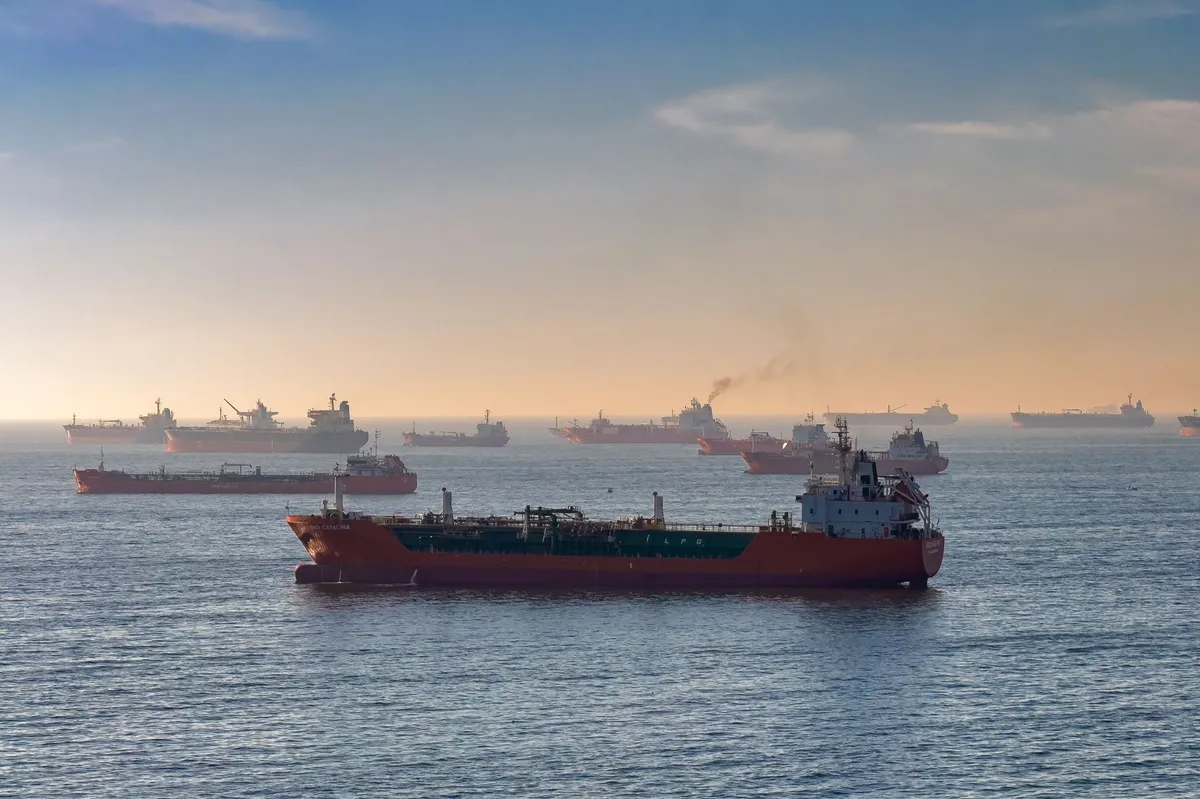
The CSG, which includes maritime powers such as the United Kingdom, Germany, Japan, and Canada, has raised concerns about the rise of a shadow fleet—vessels that operate outside established safety, insurance, and environmental standards. These ships not only compromise safety protocols but also create a two-tier system in shipping: one that adheres to international regulations and another that operates in opacity, ultimately placing the entire maritime industry at risk.
The Shadow Fleet: A Growing Threat
The shadow fleet is a collection of vessels that have increasingly become a part of the maritime landscape, particularly in the wake of sanctions against Russian oil, which has driven traditional insurers away from covering these operations. These ships are often under-insured or completely uninsured, which raises significant questions about liability and responsibility in the event of accidents or environmental disasters.
Case Study: The Caroline Bezengi Incident
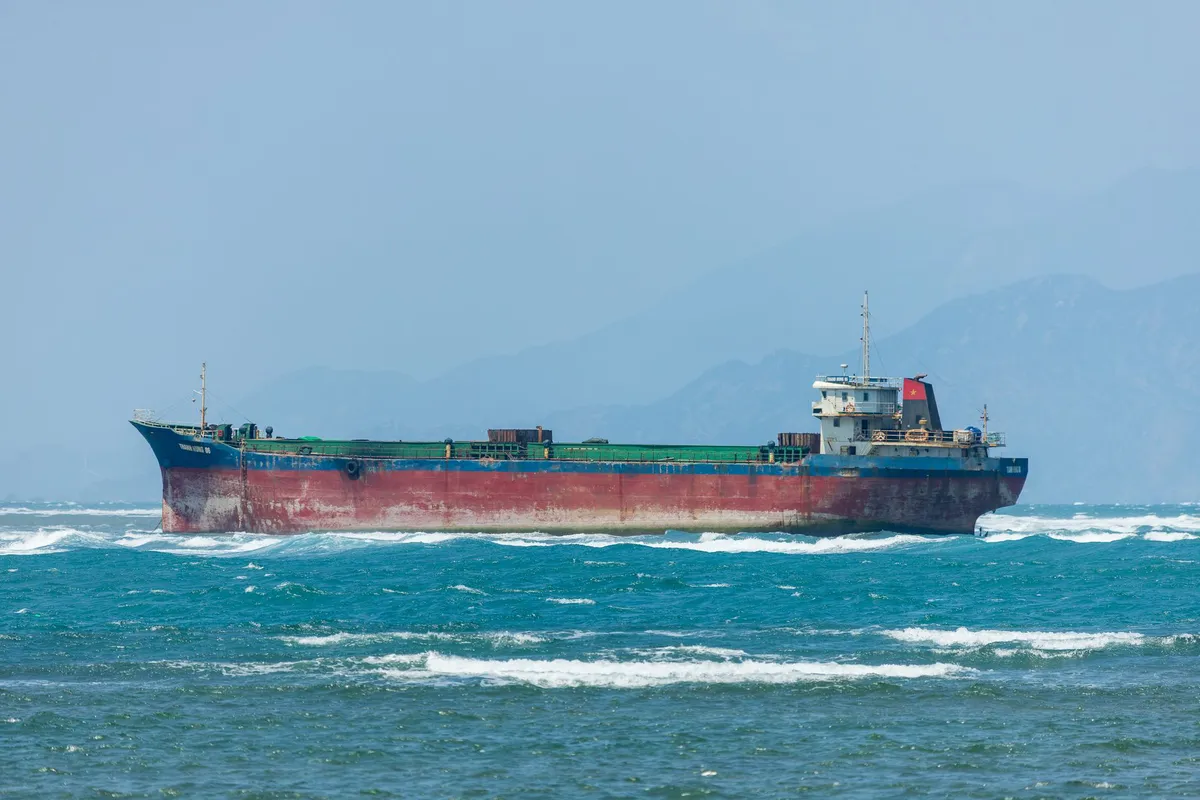
A stark illustration of the risks posed by the shadow fleet is the incident involving the Caroline Bezengi, a vessel struck by a limpet mine off the coast of Oman while transporting 800,000 barrels of Russian crude oil. This vessel lacked traditional protection and indemnity (P&I) insurance, leading to a catastrophic situation where the Omani government was left to shoulder the cleanup costs. The lack of a solvent insurer for the Caroline Bezengi epitomizes the dangers posed by the shadow fleet: when these vessels encounter trouble, the nearest coastal state often bears the financial brunt.
Insurance Implications of a Two-Tier System
The ramifications of the shadow fleet extend far beyond individual vessels. The insurance market is beginning to reflect these emerging risks in its pricing and underwriting practices. Since 2022, Western P&I clubs have progressively withdrawn from insuring vessels involved in sanctioned Russian oil trade, leaving a gap filled by thinly capitalized alternative insurers. This shift has left many vessels vulnerable, and as the CSG notes, the risks associated with uninsured tonnage are now a central concern in renewal discussions and accumulation modeling.
Impact on P&I Insurance
Protection and indemnity insurance is critical for maritime operations, covering a range of liabilities including environmental damage and crew injuries. The rise of uninsured or underinsured vessels complicates the insurance landscape, as these shadow fleet ships can lead to increased premiums for compliant vessels, creating a ripple effect across the industry. The CSG's warning emphasizes the need for consistent enforcement of existing international maritime rules to avoid further market distortions.
Chokepoints and Global Trade Fragmentation
The implications of a fractured shipping environment extend to strategic maritime chokepoints, such as the Strait of Hormuz. The CSG highlighted how disruptions at such critical junctures can have far-reaching consequences for global trade. When the Strait of Hormuz faced potential toll regimes imposed by Iran, shipowners reacted with alarm, fearing that this would set a precedent for similar actions at other strategic points.
War Risk Premiums and Market Reactions
In the aftermath of regional conflicts, war risk premiums for tankers transiting the Strait of Hormuz have surged. These premiums, which reflect the perceived risk of operating in dangerous areas, are now being integrated into every renewal in the marine war insurance market. With more than 80% of world trade moving by sea, disruptions at even one chokepoint can trigger a domino effect that impacts hull, cargo, and P&I lines simultaneously, further complicating the already tenuous state of maritime insurance.
Recommendations for the Maritime Industry
In light of the CSG's warnings, it's imperative that stakeholders across the maritime industry take proactive measures to address these emerging risks. The group has called for a unified approach to enforcing existing international rules rather than allowing for a patchwork of unilateral actions that could distort markets and undermine confidence in global shipping.
- Reinforce International Standards: Uphold the frameworks governed by the International Maritime Organization (IMO) to ensure all vessels are held to the same safety and environmental standards.
- Improve Transparency: Enhance transparency around the operations of the shadow fleet to ensure that all vessels are insured and compliant with international regulations.
- Engage in Collaborative Risk Management: Foster collaboration between maritime nations to share data and insights on emerging risks and develop comprehensive insurance solutions.
Key Takeaways
- The rise of a shadow fleet presents significant risks to global shipping and insurance frameworks.
- One incident, such as the Caroline Bezengi, reveals the potential financial burden on coastal states when uninsured vessels encounter trouble.
- Strategic chokepoints like the Strait of Hormuz illustrate how local disruptions can impact global trade.
- The insurance market is adapting to these challenges, but consistent enforcement of international rules is critical.
- Stakeholders must prioritize collaboration and transparency to navigate the evolving maritime landscape.
Frequently Asked Questions
What is the shadow fleet, and why is it a concern?
The shadow fleet refers to vessels that operate outside established safety, insurance, and environmental standards. This is concerning because these ships can create significant liability issues and environmental risks, particularly in the event of accidents or disasters, as they often lack proper insurance coverage.
How does the shadow fleet affect maritime insurance premiums?
The rise of the shadow fleet can lead to increased premiums for compliant vessels as underwriters factor in the heightened risks associated with uninsured or underinsured ships. This can create market distortions and complicate the overall pricing structure within the marine insurance sector.
What are chokepoints, and why are they significant?
Chokepoints are narrow passages in maritime routes where significant volumes of trade pass through. They are critical for global trade as disruptions at these locations can have wide-ranging effects on supply chains and shipping costs, impacting the overall economy.
What can maritime nations do to address these risks?
Maritime nations can work together to enforce existing international regulations, enhance transparency in shipping operations, and develop collaborative risk management strategies. Upholding standardized frameworks governed by organizations like the International Maritime Organization is essential for maintaining the integrity of global shipping.
Comments
Revolutionizing Risk: LSU's $3 Million Coaching Bonus Hedged by Kalshi
A groundbreaking insurance strategy using prediction markets has emerged, allowing LSU to hedge a $3 million coaching bonus through Kalshi. This article explores the implications for college sports insurance.
Related articles




Popular in Business Insurance
- Surging War-Risk Insurance Rates in the Strait of Hormuz: What It Means for Shipping
- Ross & Yerger Insurance Faces Class Action Over Data Breach Allegations
- Sompo Expands U.S. Workers' Compensation Portfolio with Service Insurance Acquisition
- Legal Battle Unfolds Over $1 Million Truck Crash Insurance Payout
- Howden Group's Ambitious Journey Toward IPO and Expansion