Understanding the Alarming Suicide Rates Among Construction Workers
The construction industry faces a staggering suicide rate, significantly surpassing workplace fatalities. New legislation aims to address this crisis by studying its root causes.
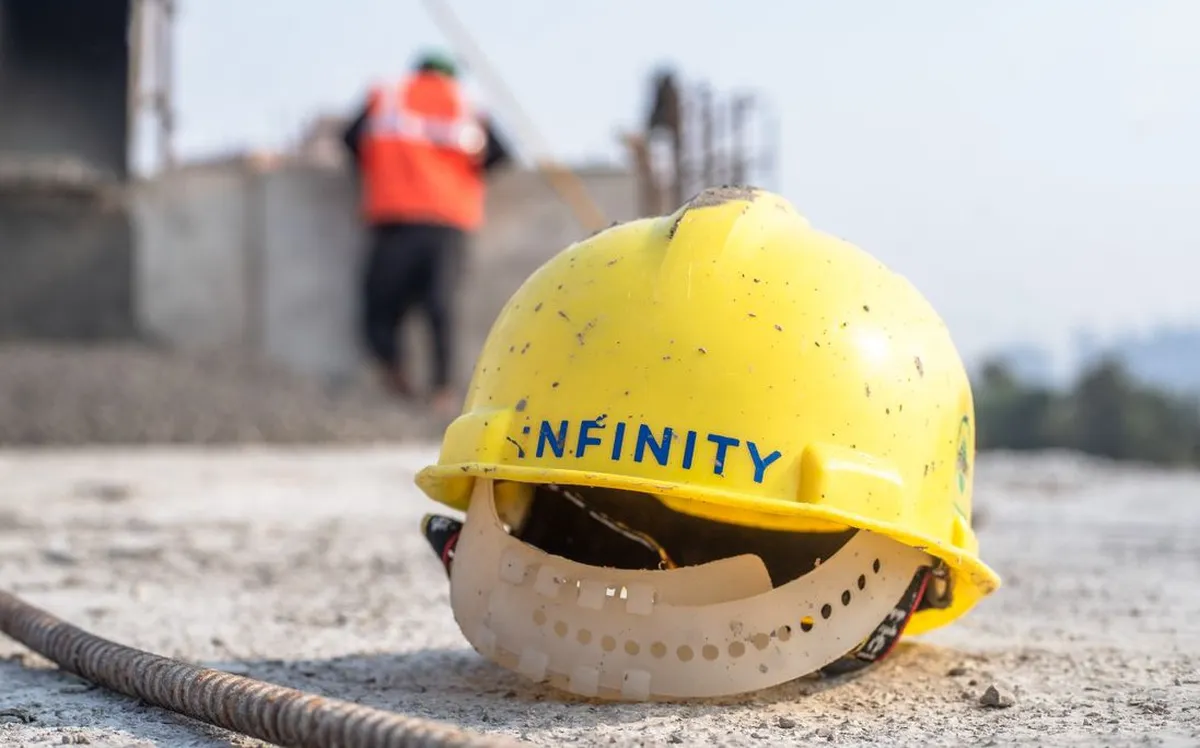
The construction industry, often celebrated for its role in building our communities and infrastructure, faces a hidden crisis that has far-reaching implications for workers, employers, and society at large. Recent statistics reveal that the suicide rate among construction workers is alarmingly high, surpassing workplace fatalities by a wide margin. In 2023 alone, approximately 5,095 construction workers died by suicide, representing a rate of 41.9 per 100,000 workers, nearly double that of other working men in the United States. This unsettling trend raises vital questions about the underlying factors contributing to such a high suicide rate and what can be done to address these issues.
The Stark Reality: Suicide vs. Fatal Work Injuries
To put the construction industry's mental health crisis into context, it's essential to compare these suicide statistics with workplace fatalities. In 2023, construction recorded just 982 fatal work injuries. This stark contrast highlights a critical area of concern: while employers often focus on preventing physical injuries, the mental health and well-being of their workers may be overlooked. The construction labor force, which comprises about 7% of the U.S. workforce, accounted for nearly 18% of suicide deaths reported in 2023. This alarming statistic underscores the urgent need for effective interventions.
Legislative Response: The Constructing the Path to Suicide Prevention Act
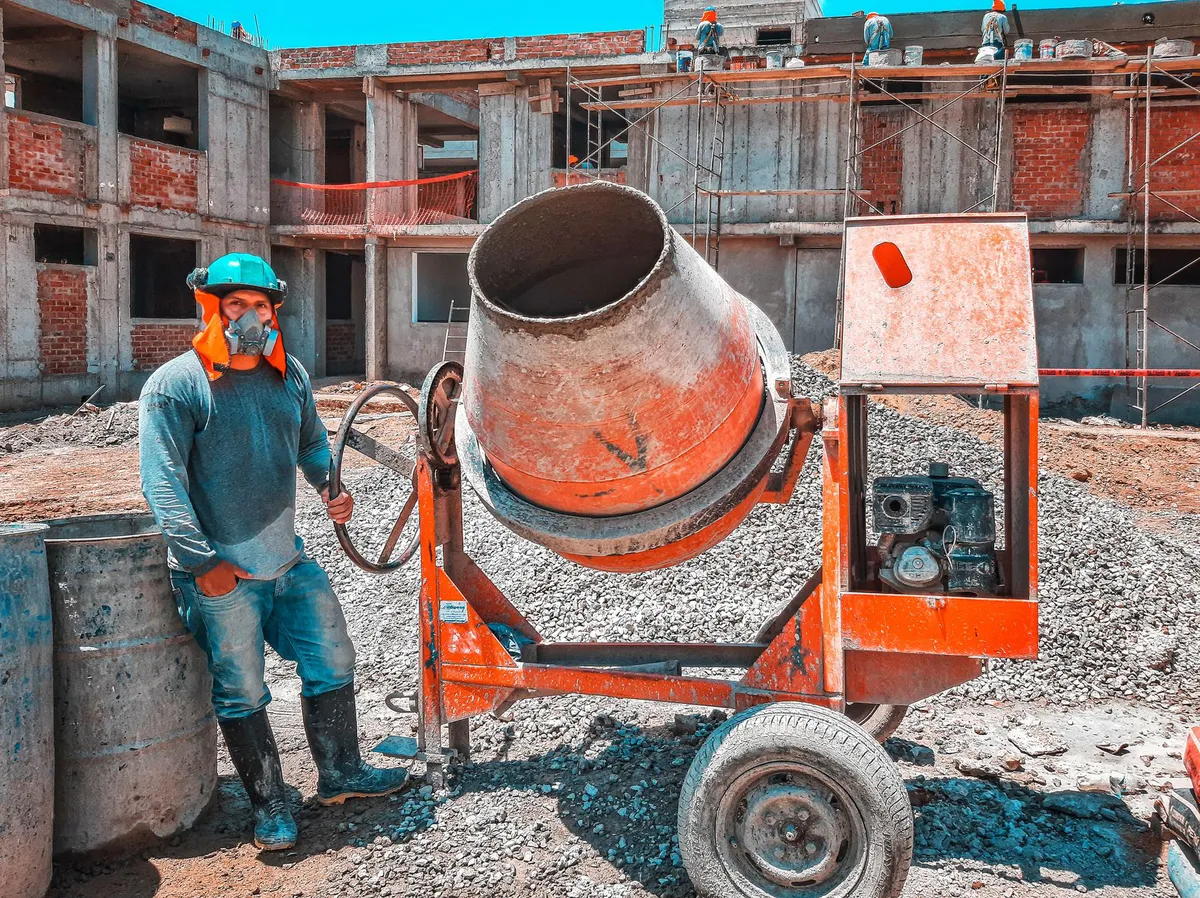
In response to this crisis, U.S. Senator Catherine Cortez Masto of Nevada has introduced the Constructing the Path to Suicide Prevention Act. This significant piece of legislation aims to direct the Centers for Disease Control and Prevention (CDC) to conduct a comprehensive national study focusing on the risk factors that contribute to the high suicide rates among construction workers. The bill, which has garnered support from five Senate Democrats, seeks to better understand the myriad factors affecting mental health in the construction sector, including access to healthcare, mental health benefits, and Employee Assistance Programs (EAPs).
Key Areas of Study
- Access to Employee Healthcare: Many construction workers may lack adequate health coverage.
- Employee Assistance Programs (EAPs): A significant number of construction workers do not have access to EAPs, which are critical for mental health support.
- Workforce Composition: The prevalence of seasonal, part-time, and subcontracted workers complicates access to health benefits.
- Chronic Pain and Substance Use: High rates of chronic pain and substance use further exacerbate mental health challenges.

Access to Mental Health Resources: A Barrier to Support
The current landscape of mental health resources available to construction workers reveals significant gaps. TELUS Health data indicates that 38% of construction workers lack access to EAPs, compared to 31% of workers across all industries. Even among those with EAP access, fewer than 30% are aware of the services provided. This lack of awareness can hinder workers from seeking help when they need it most.
The construction industry's unique workforce profile, which often includes a high proportion of seasonal, part-time, and subcontracted workers, exacerbates the access problem. These workers are frequently excluded from employer-sponsored health plans, leaving them vulnerable and without the necessary support during challenging times. The proposed study will examine these variables, aiming to shed light on how employment type, work schedules, and organizational factors contribute to the mental health crisis.

The Compounding Factors: Chronic Pain and Substance Use
Another critical aspect of this issue is the prevalence of chronic pain and substance use among construction workers. Approximately 34% report experiencing chronic pain, and nearly 45% use prescription medication to manage it. These factors can lead to elevated stress levels, depression, and, ultimately, suicidal ideation. CPWR data has shown a concerning trend of increased opioid use among injured construction workers, further complicating the mental health landscape.
As mental health claims in workers' compensation continue to expand across 31 states, the untreated mental health conditions in high-risk industries like construction are becoming increasingly visible to both insurers and employers. The need for comprehensive mental health support is clear, and addressing these issues is paramount for the well-being of workers.
A Path Forward: What Employers and Insurers Can Do
The Constructing the Path to Suicide Prevention Act does not mandate any immediate changes to benefit designs for construction workers. However, it establishes a federal research framework that could produce valuable policy recommendations within three years of enactment. These recommendations will be crucial for shaping the employer benefit structures available to construction workers, particularly as mental health claims reshape how employers and insurers approach coverage obligations.
Employers in the construction industry must proactively address the mental health crisis by:
- Enhancing Access to EAPs: Ensure that all employees, including part-time and subcontracted workers, have access to EAPs and understand their benefits.
- Promoting Mental Health Awareness: Conduct training and awareness programs that educate workers about available mental health resources.
- Implementing Comprehensive Health Plans: Design health plans that include mental health support and address chronic pain management.
- Encouraging Open Dialogue: Foster a workplace culture that encourages open discussions about mental health, reducing stigma and promoting help-seeking behavior.

Key Takeaways
- The suicide rate among construction workers is nearly double that of other working men in the U.S.
- New legislation aims to study the risk factors contributing to this alarming trend.
- Access to mental health resources, particularly EAPs, is significantly lacking in the construction industry.
- Chronic pain and substance use are major factors influencing mental health among construction workers.
- Employers must take proactive steps to enhance mental health support and create a culture of awareness.
Frequently Asked Questions
What is the main cause of the high suicide rate among construction workers?
The high suicide rate among construction workers can be attributed to a combination of factors, including limited access to mental health resources, the prevalence of chronic pain, and substance use. The industry's unique workforce profile, which includes many seasonal and part-time workers, also complicates access to benefits that could provide necessary support. These issues create an environment where workers may feel isolated and without the help they need.
How does the Constructing the Path to Suicide Prevention Act aim to help?
The Constructing the Path to Suicide Prevention Act aims to address the mental health crisis among construction workers by directing the CDC to conduct a national study on the risk factors driving suicides in this sector. The study will explore various variables, including healthcare access, EAP availability, and the effects of employment type and work schedules on mental health. The findings could lead to policy recommendations that improve the mental health support available to workers in the construction industry.
What can employers do to support mental health in the construction industry?
Employers can take several proactive steps to support mental health in the construction industry. These include enhancing access to EAPs for all workers, promoting mental health awareness through training programs, implementing comprehensive health plans that address both physical and mental health needs, and fostering a workplace culture that encourages open discussions about mental health. By addressing these issues, employers can help create a healthier and more supportive work environment for their employees.
Why is mental health support particularly important for construction workers?
Mental health support is especially crucial for construction workers due to the unique challenges they face in their work environment. The physical demands of the job, along with the prevalence of chronic pain and the risk of substance use, can lead to significant mental health challenges. Additionally, the stigma surrounding mental health issues may prevent workers from seeking help. Providing adequate mental health resources is essential for ensuring the well-being of construction workers and reducing the alarming suicide rates in the industry.
Comments
Revolutionizing Risk: LSU's $3 Million Coaching Bonus Hedged by Kalshi
A groundbreaking insurance strategy using prediction markets has emerged, allowing LSU to hedge a $3 million coaching bonus through Kalshi. This article explores the implications for college sports insurance.

Related articles







Popular in Business Insurance
- Surging War-Risk Insurance Rates in the Strait of Hormuz: What It Means for Shipping
- Ross & Yerger Insurance Faces Class Action Over Data Breach Allegations
- Sompo Expands U.S. Workers' Compensation Portfolio with Service Insurance Acquisition
- Legal Battle Unfolds Over $1 Million Truck Crash Insurance Payout
- Howden Group's Ambitious Journey Toward IPO and Expansion