MV Dali Incident: A New Era for the Protection and Indemnity Insurance Market
The MV Dali's collision in March 2024 has triggered an unprecedented $2.8 billion claim, reshaping the P&I insurance landscape. This article explores the implications and future challenges for the industry.

The maritime insurance landscape is no stranger to upheaval, but the recent incident involving the MV Dali has pushed the protection and indemnity (P&I) insurance market into uncharted territory. In March 2024, the container ship collided with Baltimore's Francis Scott Key Bridge, leading to a staggering claim now reserved at over $2.8 billion. This claim has not only exhausted the reinsurance limits set by the International Group (IG) but has also activated a rarely utilized protective mechanism known as the 'overspill layer.' As the P&I market grapples with the ramifications of this event, key insights emerge regarding the industry's future, particularly in the lead-up to the 2027-28 renewal period.
The MV Dali incident marks a pivotal moment for the P&I insurance sector, which insures the vast majority of the world’s ocean-going vessels. As the insurance industry braces for potential increases in premiums and structural changes driven by the Dali claim, stakeholders must navigate a complex landscape shaped by both immediate financial pressures and long-term market dynamics.
Understanding the P&I Insurance Framework
Protection and indemnity insurance serves as a critical safety net for shipowners, offering coverage for liabilities not typically covered by standard marine insurance policies. This includes legal costs, crew injuries, environmental damage, and more. The P&I clubs, which are mutual insurance associations, pool resources to cover risks that individual shipowners would find challenging to manage alone. The IG group, which consists of 12 P&I clubs, collectively insures a significant portion of global shipping tonnage, making their financial health crucial for the maritime industry.
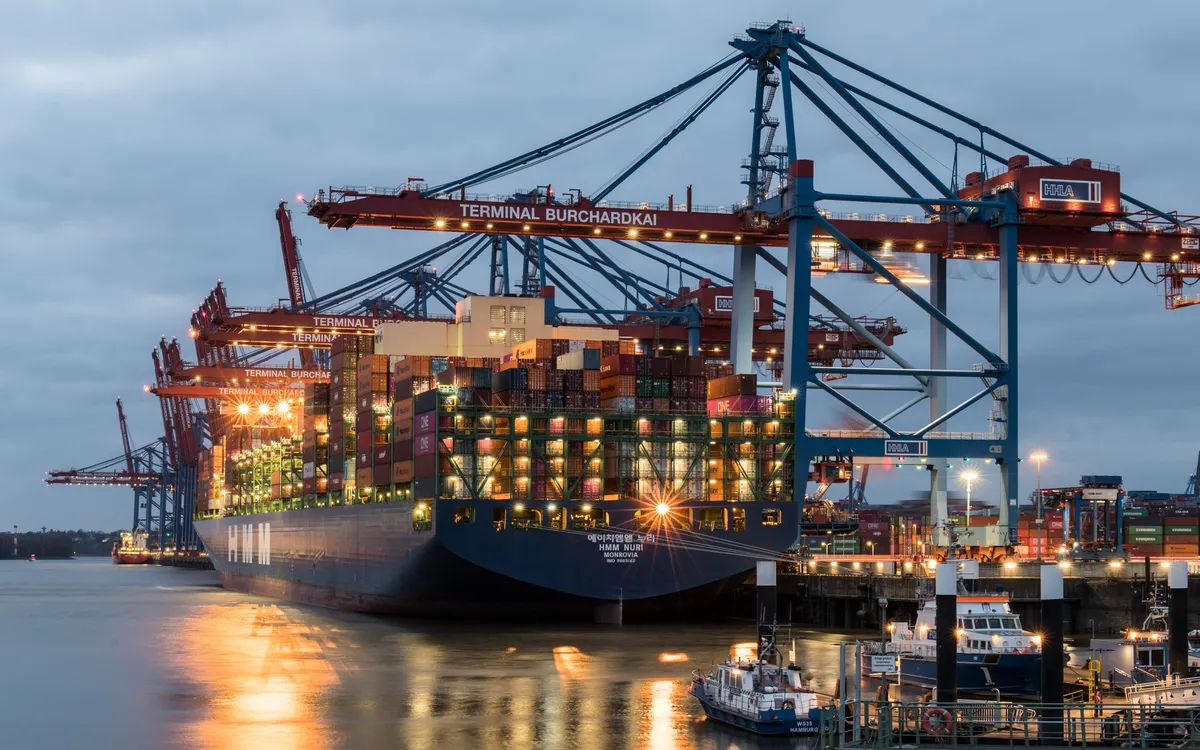
When major incidents occur, the financial implications can be profound. In the case of the MV Dali, the claim has already exceeded the IG group's reinsurance limit, pushing the loss into the overspill layer—an emergency measure designed to provide additional coverage in extreme scenarios. This is the first time this layer has been called upon, indicating the severity of the situation and the potential for future claims to create similar challenges.
The Financial Implications of the MV Dali Claim
Current Market Conditions
The financial fallout from the Dali incident is not merely a one-time event. As Gallagher Specialty's midyear review highlights, the $2.8 billion claim is expected to grow, and with it, the financial pressures on P&I clubs. Currently, there remains approximately $300 million of collective overspill reinsurance protection available, which has so far absorbed the exposure without necessitating additional charges against club members. However, the situation became tenuous when a reinsurer initially declined to cover $180 million of that protection, forcing clubs to temporarily fund the shortfall.
Fortunately, this gap was later bridged when the reinsurer agreed to cover the claim, but this incident is a stark reminder of the fragile nature of risk-sharing within the P&I market. Without the combined free reserves of $6.8 billion, which act as a financial buffer, clubs may have faced significant challenges in managing such losses, potentially leading to costly member calls.
Impact on Premiums and Underwriting Practices
The current underwriting environment reflects the complexities introduced by the Dali claim. For the 2025-26 period, the combined underwriting loss for P&I clubs amounted to $248.5 million, showing a marked improvement over the previous year's deficit of $352 million. Despite the losses, investment income of $1.13 billion helped offset this shortfall, pushing free reserves to an all-time high. However, as the market enters the 2027-28 renewal period, Gallagher anticipates general premium increases of 2.5% to 5%, with reinsurance rates likely rising further within the freight, charterers, and cargo segments.
- $2.8 billion: Initial claim amount from the MV Dali incident.
- $300 million: Remaining overspill reinsurance protection.
- $6.8 billion: Current free reserves of P&I clubs.
- 2.5% to 5%: Expected general premium increases for 2027-28.

The Broader Market Context
The Dali incident is occurring against a backdrop of significant consolidation within the P&I market, which has been reshaping the dynamics of mutual underwriting. In June 2024, the UK P&I Club and TT Club announced a framework agreement to merge, with completion targeted for February 2027. This merger reflects a broader trend among P&I clubs to pursue greater capital resilience in the face of rising individual losses and escalating reinsurance costs. As the mutual P&I sector continues to consolidate, the implications for underwriting practices and premium structures will be profound.
Future Considerations for Stakeholders
As the P&I market evolves, stakeholders—including shipowners, brokers, and reinsurers—must remain vigilant. The recent volatility in investment markets, driven by geopolitical tensions in the Middle East and fluctuating oil prices, adds to the uncertainty surrounding future underwriting results. With most combined ratios hovering above 100%, the pressure on clubs to maintain profitability while providing adequate coverage is mounting.
Moreover, Gallagher's report notes that the losses associated with the Dali incident are no longer merely theoretical; they represent a new reality that will demand careful consideration in future pricing strategies. Brokers will need to factor in these dynamics when negotiating terms with shipowner clients, ensuring that they are adequately prepared for the implications of potential rate increases.
Key Takeaways
- The MV Dali incident has triggered a claim exceeding $2.8 billion, marking a historic moment for the P&I insurance market.
- Current financial reserves of $6.8 billion provide a buffer, but pressures for premium increases loom as losses rise.
- Ongoing consolidation within the P&I sector reflects a strategic response to the challenges posed by large individual losses.
- Future market volatility, influenced by geopolitical events, will further complicate underwriting and pricing strategies.
- Brokers must navigate these complexities to ensure their clients are appropriately insured in an evolving landscape.
Frequently Asked Questions
What is protection and indemnity insurance?
Protection and indemnity insurance is a type of marine insurance that provides coverage for shipowners against liabilities that are not typically covered by standard hull or cargo insurance. This includes protection against legal liabilities, crew injuries, pollution, and other risks associated with maritime operations. P&I insurance is essential for shipowners to manage the financial risks of operating vessels on international waters.
How does the overspill layer work in the P&I market?
The overspill layer is a protective layer of reinsurance that becomes activated when a P&I club's losses exceed its primary reinsurance limits. It is designed to provide additional coverage in extreme scenarios, safeguarding the financial stability of the clubs and ensuring that they can meet their obligations to members. The current situation with the MV Dali incident is the first time this layer has been called upon, highlighting the importance of adequate risk management in the P&I sector.
What are the implications of the MV Dali incident for shipowners?
The implications for shipowners are significant, as the MV Dali incident may result in increased premiums and potential changes in coverage terms. As clubs reassess their underwriting strategies in light of rising losses and market volatility, shipowners may face higher costs for P&I coverage. It is essential for shipowners to stay informed about market trends and engage with their brokers to ensure they have appropriate coverage that meets their evolving needs.
Comments
Revolutionizing Risk: LSU's $3 Million Coaching Bonus Hedged by Kalshi
A groundbreaking insurance strategy using prediction markets has emerged, allowing LSU to hedge a $3 million coaching bonus through Kalshi. This article explores the implications for college sports insurance.

Related articles





Popular in Business Insurance
- Surging War-Risk Insurance Rates in the Strait of Hormuz: What It Means for Shipping
- Ross & Yerger Insurance Faces Class Action Over Data Breach Allegations
- Sompo Expands U.S. Workers' Compensation Portfolio with Service Insurance Acquisition
- Legal Battle Unfolds Over $1 Million Truck Crash Insurance Payout
- Howden Group's Ambitious Journey Toward IPO and Expansion