Tragic Shoe Factory Fire Highlights Urgent Workplace Safety Concerns in China
A devastating fire at a shoe factory in China has raised alarms about workplace safety, prompting a response from President Xi Jinping. With 28 lives lost, the incident underscores ongoing issues in industrial safety practices.
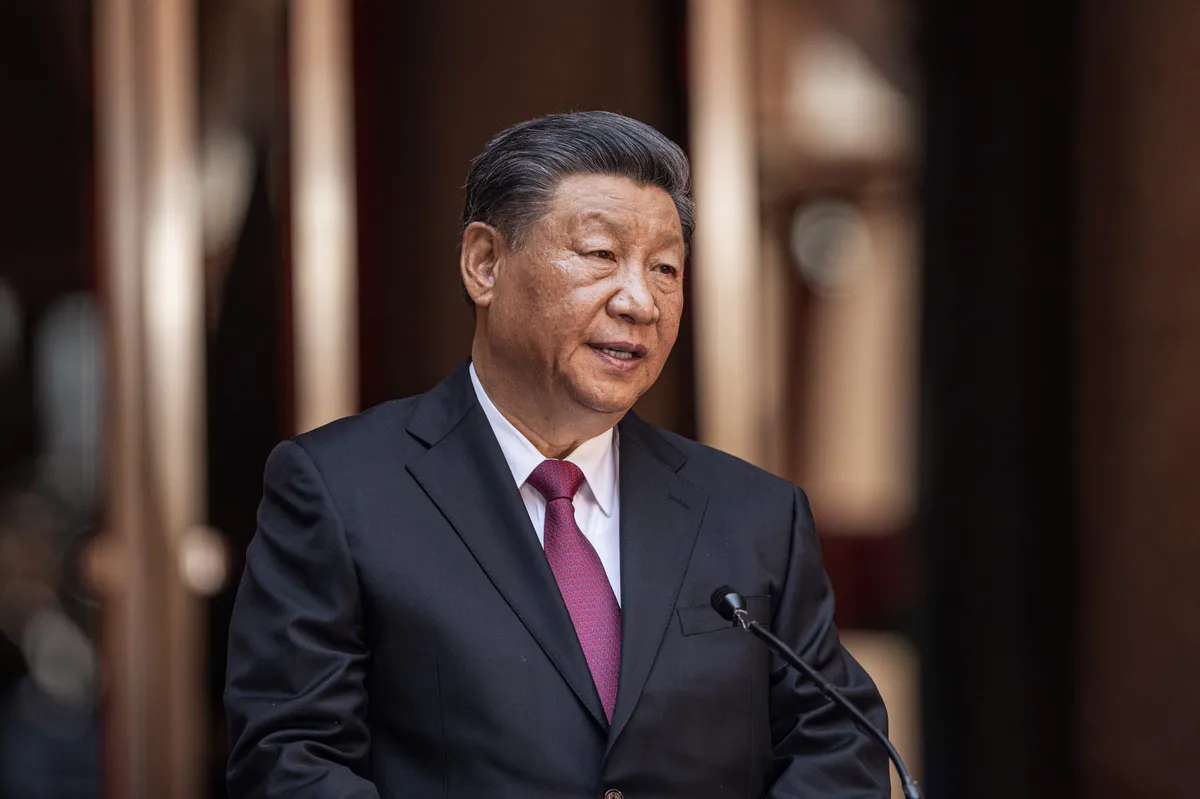
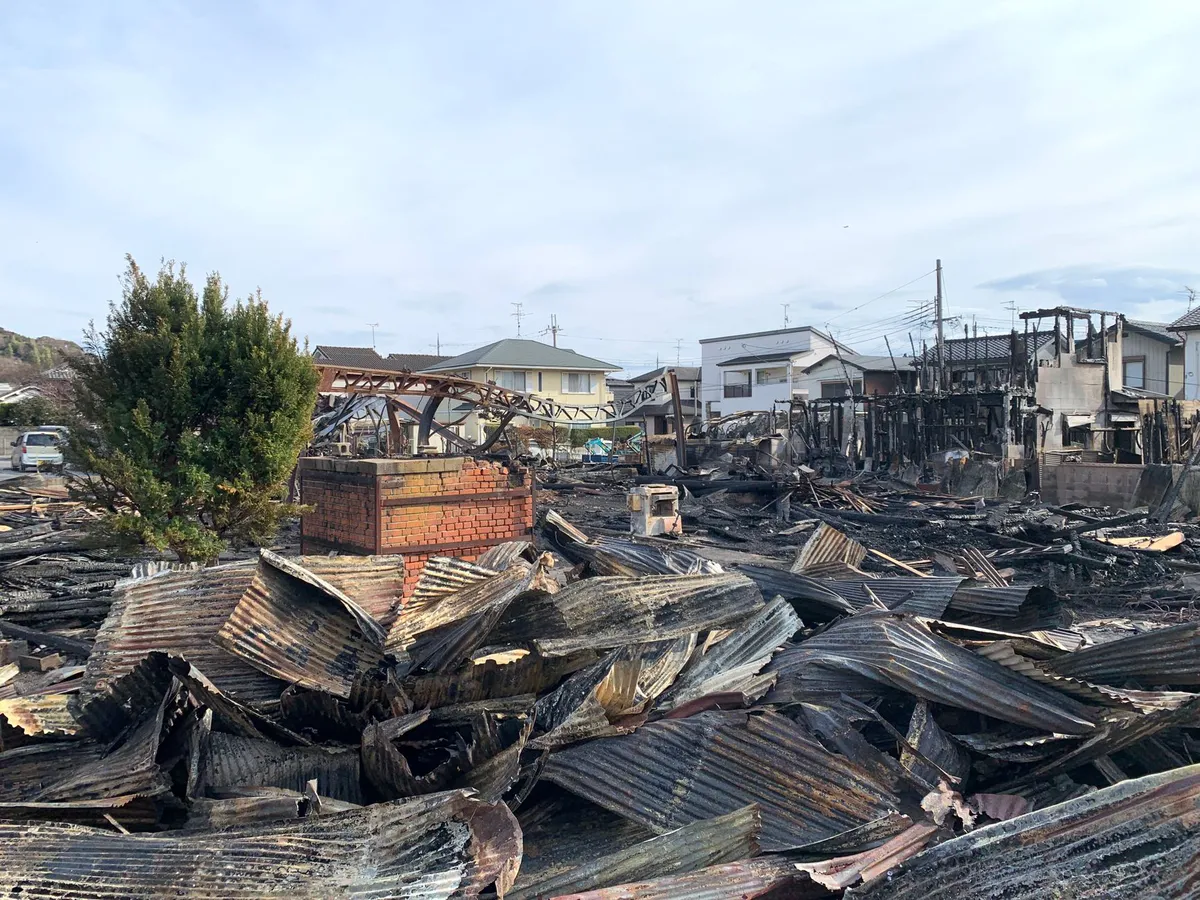
On July 9, 2026, a catastrophic fire broke out at the Fujian Huiteng Shoes Co. in Quanzhou, a bustling coastal city in China’s Fujian province. The blaze claimed the lives of 28 individuals, igniting a national conversation about workplace safety and the persistent risks faced by workers in various industries. Chinese President Xi Jinping expressed grave concerns over the frequency of such tragic incidents, emphasizing the urgent need for stricter safety measures across all sectors.
The Quanzhou fire is not an isolated event; it reflects a troubling trend of workplace accidents that have plagued China in recent years. Xi's admonition came amid a series of incidents that have raised red flags about the integrity of safety protocols in factories and mines throughout the country. As the nation grapples with industrial safety, the implications of these events extend far beyond the immediate loss of life, prompting questions about regulatory frameworks, corporate responsibility, and the safety of millions of workers.
Recent Tragedies Highlight Systemic Issues
The tragic fire at the Fujian Huiteng factory occurred in a workshop that housed flammable materials, a common concern in manufacturing environments. According to reports, 213 workers were evacuated, but the rapid spread of the fire and the presence of hazardous materials proved deadly. Following the incident, the company’s leadership was detained, and its accounts frozen, indicating severe repercussions for negligence.
President Xi's remarks were pointed: “Since the beginning of this year, multiple major production safety accidents have occurred,” he stated, urging local governments and relevant departments to learn from these tragedies. In May alone, China experienced its deadliest coal mine explosion since 2009, which resulted in 82 fatalities, alongside other deadly incidents in mines and factories. These events have led to increased scrutiny of safety regulations and enforcement mechanisms, particularly in industries with high-risk profiles.
Safety Regulations and Corporate Accountability
China has made strides in improving workplace safety over the years, but significant challenges remain. The country’s rapid industrialization has often outpaced the development and enforcement of robust safety standards. In industries like manufacturing and mining, where the risk of accidents is inherently higher, the need for strict compliance with safety regulations is paramount.
Companies like Fujian Huiteng, which was founded in 2015 and supplies various international brands, face heightened scrutiny regarding their safety practices. The incident has raised questions about how manufacturers manage hazardous materials and implement safety protocols. Companies must not only comply with existing regulations but also cultivate a culture of safety that prioritizes worker well-being over profit margins.
The Role of Government and Oversight
In the wake of the Quanzhou fire, government officials are likely to face pressure to strengthen oversight and enforcement of safety regulations. The Chinese government has historically struggled with enforcing safety standards consistently, often relying on local governments to ensure compliance. This decentralized approach can lead to lapses, particularly when local officials prioritize economic growth over safety.
Experts suggest that a multi-faceted approach is necessary to enhance workplace safety. This includes:
- Stricter enforcement of existing regulations: Local governments must be held accountable for safety oversight.
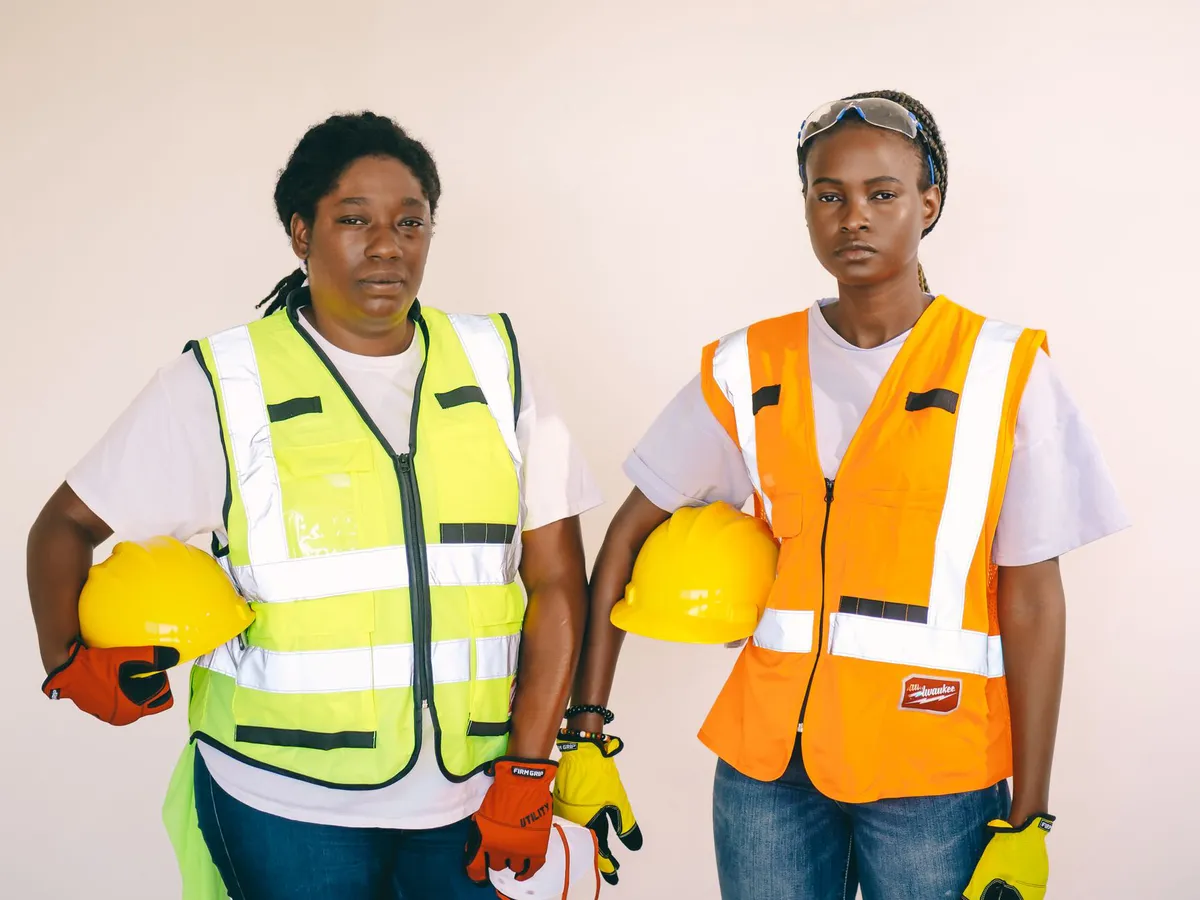
- Increased training and education: Workers should receive comprehensive safety training specific to their environments.
- Corporate responsibility: Companies must adopt proactive measures to identify and mitigate risks in the workplace.
- Public transparency: Incidents should be reported and analyzed publicly to foster accountability.
Impact on Workers and Communities
The implications of workplace safety issues extend beyond the immediate tragedy of lost lives. Families and communities bear the burden of these accidents, which can have long-term psychological and financial effects. Victims often leave behind dependents who may struggle to cope with the loss of income and support.
Furthermore, such incidents can erode public trust in both corporate entities and government oversight. When workers feel unsafe, it can lead to decreased morale and productivity, which ultimately impacts economic performance. As such, addressing workplace safety is not only a moral imperative but also an economic necessity.

Key Takeaways
- The fire at Fujian Huiteng Shoes Co. resulted in 28 fatalities, raising alarms about workplace safety in China.
- President Xi Jinping calls for greater accountability and stricter safety measures following a series of industrial accidents.
- China's decentralized safety oversight may hinder effective enforcement of regulations.
- Improving workplace safety requires collaboration between government, corporations, and workers.
Frequently Asked Questions
What caused the fire at the shoe factory?
The exact cause of the fire at Fujian Huiteng Shoes Co. is still under investigation. However, reports indicate that the blaze occurred in a workshop containing flammable materials, which significantly contributed to the rapid spread of the fire and the tragic loss of life.
What actions are being taken against the company?
In the aftermath of the fire, the leadership of Fujian Huiteng has been detained, and their accounts have been frozen. This indicates that the government is taking serious measures to hold those responsible accountable, reflecting a broader push for corporate responsibility regarding safety standards.
How does this incident impact future regulations in China?
The Quanzhou fire may prompt stricter safety regulations and enforcement measures in China. Given the recent pattern of industrial accidents, it is likely that the government will undertake a comprehensive review of safety practices across industries to prevent further tragedies.
What should workers do to protect themselves?
Workers are encouraged to advocate for their safety by understanding their rights and the safety protocols in their workplaces. They should engage in safety training, report unsafe conditions to management, and collectively advocate for improved safety measures to protect themselves and their coworkers.
Comments
Navigating Business Interruption Insurance After NYC Construction Incident
Recent construction-related threats in Midtown Manhattan raise critical questions about business interruption coverage. Understanding policy intricacies could be crucial for affected businesses seeking recovery.

Related articles





Popular in Business Insurance
- Surging War-Risk Insurance Rates in the Strait of Hormuz: What It Means for Shipping
- Ross & Yerger Insurance Faces Class Action Over Data Breach Allegations
- Sompo Expands U.S. Workers' Compensation Portfolio with Service Insurance Acquisition
- Legal Battle Unfolds Over $1 Million Truck Crash Insurance Payout
- Howden Group's Ambitious Journey Toward IPO and Expansion