Navigating the Diverging Landscape of North American Construction Insurance
The gap between U.S. and Canadian construction insurance coverage is widening, impacting project design and risk management strategies. This article delves into the implications for industry professionals and stakeholders.
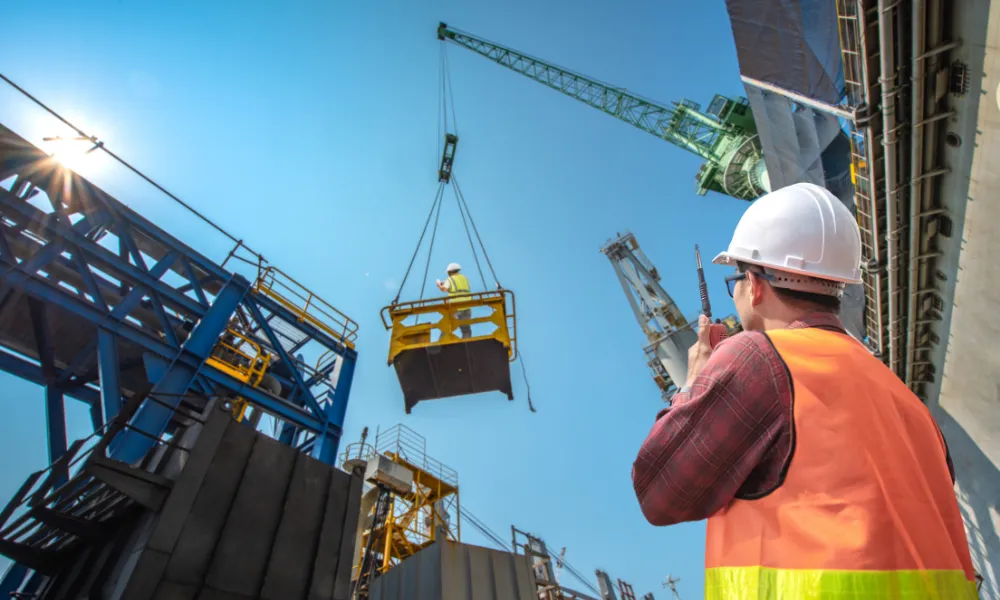
The construction insurance landscape in North America is experiencing a notable shift, not in pricing but in the coverage options available to contractors, developers, and project managers. As U.S. insurers move away from the traditional London Engineering Group (LEG) 3 clauses, opting for more stringent proprietary wordings, the implications for construction risk management are profound. Conversely, Canada continues to adhere to older LEG3 standards, creating a critical divergence that could affect cross-border projects and large-scale construction endeavors. This article examines the current state of construction insurance in the U.S. and Canada, the underlying factors contributing to this divergence, and the potential consequences for stakeholders in the construction industry.
Understanding the Coverage Gap
One of the most significant challenges facing construction professionals today is the widening gap between U.S. and Canadian construction insurance coverage. In the United States, insurers have increasingly adopted proprietary wordings that introduce stricter definitions of defects, higher deductibles, and embedded sublimits that can severely limit recovery for contractor-caused losses. This shift marks a departure from the more standardized LEG3 clauses which traditionally provided broader coverage.
The LEG3 Standard in Canada
In stark contrast, Canadian insurers continue to rely on the LEG3 form, albeit with some limitations. Legal disputes surrounding the distinction between damage and defect have stymied the adoption of the updated 2006 version of LEG3, confining the market's standard to the 1996 form. This reliance on older language means that Canadian projects may still enjoy a level of coverage that U.S. projects no longer have access to.
Market Dynamics and Capacity Challenges
The divergence in coverage is exacerbated by differing market dynamics in the two countries. In the U.S., the construction insurance market is facing significant limitations in individual insurer participation, driven by rising project values and reinsurance challenges. As construction projects grow in value, the risk profile becomes more complex, leading to tighter underwriting practices and a general reluctance from insurers to engage in high-risk endeavors.
In contrast, Canadian domestic insurers are actively expanding their capacity, driven by growth targets that have led to oversubscription even on complex projects. New players in the market are entering the professional liability segment, pushing project-specific capacity above $100 million. This influx of capacity is helping to maintain competitive pricing, with annual professional indemnity rates remaining flat or increasing by just 2-5%.
Shifting Pricing Trends
The pricing landscape is also markedly different between the two countries. In the U.S., well-managed construction projects in lower-risk areas have seen premium reductions of 5-8% through the second half of 2025, reflecting an absence of significant industry-wide loss events. However, the overall caution regarding natural catastrophe risks—especially concerning wildfires and severe convective storms—remains a significant concern for insurers.

Claims Trends and Their Impact on Rates
Claims data further illustrates the ongoing challenges within the U.S. construction insurance market. According to Marsh's Global Insurance Market Index for Q1 2026, the casualty insurance market in the U.S. has experienced a 9% rate increase for the second consecutive quarter. This increase is primarily attributed to persistent claims severity, particularly in the context of so-called 'nuclear verdicts'—jury awards exceeding $10 million—which rose by 52% from 2023 to 2024.
This upward trend in jury awards has had a substantial financial impact on the construction sector, with construction and engineering claims alone accounting for $2.0 billion of the total increased liability. The implications are clear: as claims severity escalates, insurers are compelled to tighten their underwriting practices, which in turn leads to higher premiums and more restrictive coverage terms.
- U.S. casualty rates: Up 9% for Q1 2026
- Construction casualty rates: Flat to up 5%
- General liability: Flat to up 10%
- Auto insurance: Up 5-20%
Future Outlook for Construction Insurance
Looking ahead, the construction sector in the U.S. is expected to grow, particularly in areas such as medical facilities, airports, large-scale infrastructure, and educational institutions. These segments typically carry higher builder's risk values and more complex professional liability exposure, raising further questions about the adequacy of coverage in light of tightening policy wordings. As the market evolves, construction professionals must remain vigilant and adapt their risk management strategies accordingly.
In Canada, anticipated growth is concentrated on mining, civil infrastructure, and manufacturing sectors, which may also lead to shifts in the insurance landscape. As these industries expand, the Canadian market's competitive pricing may come under pressure, particularly if claim frequencies increase or if new risks emerge.
Geopolitical Volatility and Economic Uncertainty
Paul Knowles, global chairman of construction at Marsh, highlights that geopolitical volatility is reshaping trade dynamics, which in turn influences project pipelines, costs, and contract performance across the construction sector. Stakeholders must navigate an increasingly complex environment that requires a nuanced understanding of both local and international insurance markets.
Key Takeaways
- The U.S. and Canadian construction insurance markets are diverging significantly in coverage options.
- U.S. insurers are adopting stricter proprietary wordings, while Canada relies on older LEG3 standards.
- Claims severity and rising jury awards are driving up casualty rates in the U.S.
- Canadian insurers are expanding capacity and maintaining competitive pricing.
- Geopolitical and economic factors are influencing the construction insurance landscape.
Frequently Asked Questions
What are the main differences between U.S. and Canadian construction insurance coverage?
The primary difference lies in the type of coverage provided. U.S. insurers have shifted to more stringent proprietary wordings, which include stricter definitions of defects and higher deductibles, limiting recovery for contractor-caused losses. In contrast, Canada predominantly uses the older LEG3 form, allowing for broader coverage but with potential legal ambiguities regarding damage versus defect.
How do claims trends affect insurance premiums in construction?
Claims trends directly influence insurance premiums, particularly in the context of rising jury awards and claims severity. In the U.S., the surge in nuclear verdicts has led to increased casualty rates, prompting insurers to raise premiums and tighten underwriting criteria. Conversely, in Canada, the market remains competitive, with flat or modestly increasing premiums due to a greater availability of capacity.
What should construction professionals consider when selecting insurance coverage?
Construction professionals should evaluate their specific project risks, including the types of work being performed, the geographical location, and the potential for catastrophic events. Understanding the nuances of coverage between the U.S. and Canadian markets is crucial, particularly for cross-border projects. Engaging with knowledgeable brokers who can navigate these complexities will be essential in selecting the right coverage.
What is the impact of geopolitical factors on construction insurance?
Geopolitical factors can significantly affect construction insurance by influencing project pipelines, costs, and contract performance. As trade dynamics shift due to geopolitical tensions, construction professionals must remain aware of potential impacts on their projects and adjust their risk management strategies accordingly. This includes understanding how changes in regulations or market conditions may lead to shifts in insurance availability or pricing.
Comments
Navigating Business Interruption Insurance After NYC Construction Incident
Recent construction-related threats in Midtown Manhattan raise critical questions about business interruption coverage. Understanding policy intricacies could be crucial for affected businesses seeking recovery.
Related articles







Popular in Business Insurance
- Surging War-Risk Insurance Rates in the Strait of Hormuz: What It Means for Shipping
- Ross & Yerger Insurance Faces Class Action Over Data Breach Allegations
- Sompo Expands U.S. Workers' Compensation Portfolio with Service Insurance Acquisition
- Legal Battle Unfolds Over $1 Million Truck Crash Insurance Payout
- Howden Group's Ambitious Journey Toward IPO and Expansion