Navigating Business Interruption Insurance After NYC Construction Incident
Recent construction-related threats in Midtown Manhattan raise critical questions about business interruption coverage. Understanding policy intricacies could be crucial for affected businesses seeking recovery.

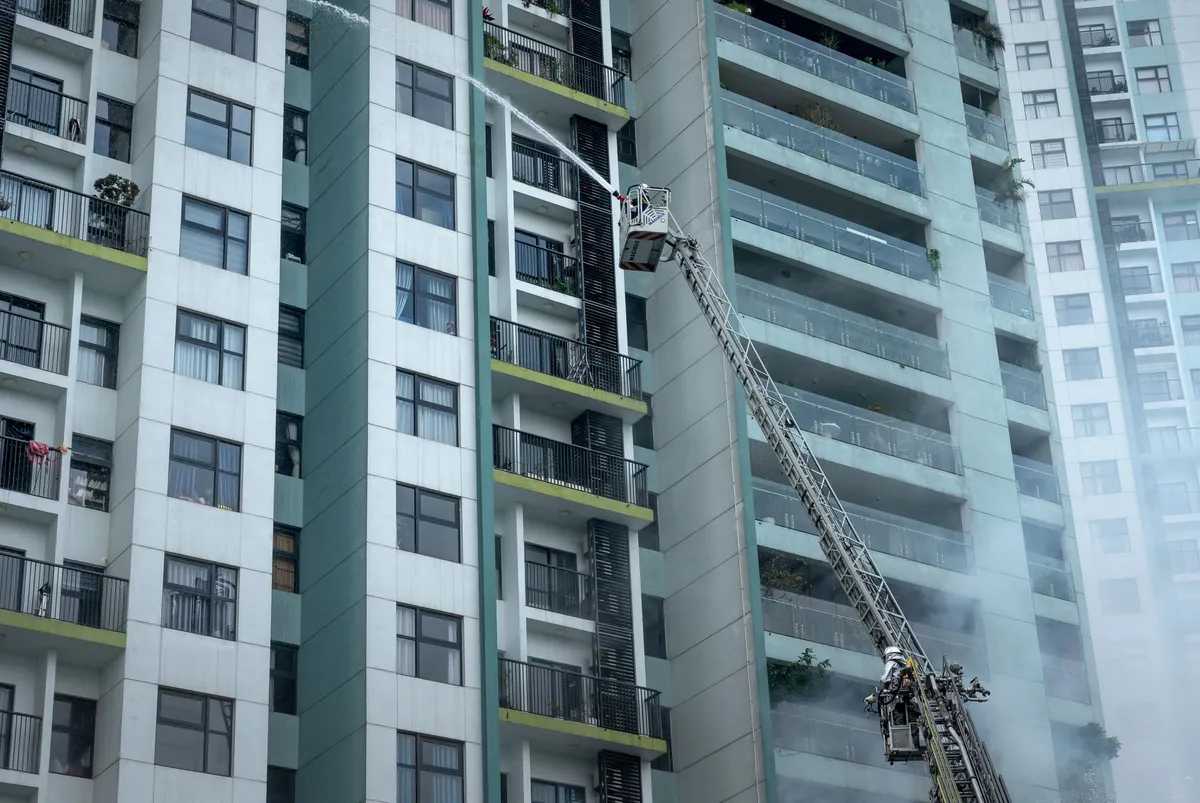
The recent construction scare at 235 East 42nd Street in Midtown Manhattan has underscored the complexities surrounding business interruption insurance. Following the discovery of buckling steel columns in the former Pfizer headquarters on July 7, evacuations and street closures ensued, affecting numerous local businesses. As the immediate threat of structural collapse has eased, the path toward recovery for these businesses may be just beginning. The incident raises vital questions about how businesses can effectively navigate their insurance claims amidst evolving circumstances and varying policy stipulations.
Understanding the nuances of business interruption insurance is essential for any business that relies on uninterrupted operations. For those affected by the Midtown construction scare, issues such as civil authority claims, ingress and egress coverage, and service interruption provisions are likely to come into play. Each of these coverage types has specific requirements and limitations that can significantly impact the claims process and recovery timeline.
The Impact of the Midtown Construction Incident
On the morning of July 7, construction workers alerted authorities to signs of structural distress at the Pfizer building, prompting immediate action. The evacuation of at least nine neighboring buildings and the establishment of a closure zone from 40th to 45th streets led to significant disruptions for local businesses. While no injuries were reported, the aftermath resulted in ongoing access restrictions, forcing many establishments to confront the realities of lost revenue and additional operational costs.
Christopher Wilkie, an international executive general adjuster at Crawford & Company's Global Technical Services, emphasized the importance of documenting losses promptly. Businesses that suffered no physical damage still need to begin tracking additional expenses and losses, as their recovery process may hinge on the language of their insurance policies. Documentation, including financial statements and government notices, will be critical in substantiating claims.
Understanding Business Interruption Coverage
Business interruption coverage is designed to compensate businesses for lost income and extra expenses incurred due to disruptions caused by covered events. However, the specifics of what is covered can vary significantly between policies. Understanding the nuances of coverage can be the key to successful claims during emergencies like the Midtown incident.
Civil Authority and Service Interruption Claims
Two key coverage types that businesses may explore in the aftermath of such events are civil authority and service interruption claims. Civil authority coverage typically responds when a government order restricts access to an insured location due to damage elsewhere. For example, if a nearby building is structurally unsound, businesses within the evacuation zone may be eligible for civil authority claims, even if their premises were undamaged.
Service interruption coverage, on the other hand, comes into play when utility services (such as electricity or water) are disrupted due to covered damage affecting the infrastructure. The specific wording of each policy will dictate whether businesses can invoke these provisions and how they can substantiate their claims.
Documenting Losses for Claims
For businesses affected by the evacuation and street closures, the documentation process is crucial. Wilkie recommends that affected businesses take the following steps to prepare their claims:
- Notify Insurers Promptly: Businesses should contact their insurers or brokers immediately to report the incident and begin the claims process.
- Track Additional Costs: Document all expenses related to the evacuation, access limitations, and any operational changes. This includes costs for temporary relocation or overtime pay for employees.
- Compile Evidence: Maintain detailed records of pre- and post-event financial statements, payroll records, reservation logs, and invoices for extra expenses.
- Observe Customer Activity: Document changes in customer foot traffic and overall revenue, as this information can illustrate the extent of the impact on business operations.
- Create a Comprehensive Claim Package: Gather all relevant documentation to present a clear narrative of how the event affected the business.
By assembling a comprehensive claim package, businesses can better communicate their situation to insurers, increasing the likelihood of a successful claim.

The Role of Government Decisions in Recovery
The duration and extent of business interruptions can be heavily influenced by government decisions and regulations. As the New York City Department of Investigation opened an inquiry into the construction incident, businesses may face delays in recovery as officials assess the situation. Wilkie pointed out that historical events, such as the September 11 attacks and Superstorm Sandy, have shown how government-imposed exclusion zones can prolong the return to normalcy for affected businesses.
Decisions made by regulatory authorities regarding when businesses can re-enter their properties will play a crucial role in determining the applicable period of restoration. Claims examiners will need to differentiate between the time necessary for physical repairs and delays caused by regulatory orders.
Claim Assessment and Policy Nuances
Assessment of claims will vary based on individual policy terms and the specific circumstances surrounding each claim. Wilkie noted that some manuscript policies might contain broad language that could provide coverage; however, each claim must be evaluated on its own merits. Understanding policy language, including waiting periods, geographic limits, and coverage specifics, is essential for businesses attempting to navigate this complex landscape.
For businesses relying on civil authority or ingress and egress coverage, claims will be scrutinized based on how access restrictions align with the policy’s terms. Insurers will assess whether the restoration period was reasonable and whether any delays were due to external factors.
Key Takeaways
- Document Everything: Collect comprehensive evidence of losses, expenses, and operational changes.
- Understand Your Policy: Familiarize yourself with the specific language and coverage options in your business interruption insurance policy.
- Promptly Notify Insurers: Initiate the claims process as soon as possible to avoid complications.
- Monitor Government Decisions: Stay informed about any government actions that may impact recovery timelines.
- Consult Experts: Seek professional guidance to navigate complex claims and maximize recovery potential.
Frequently Asked Questions
What should businesses do immediately after a disruptive event?
Immediately after a disruptive event, businesses should contact their insurance providers to report the incident and initiate the claims process. They should also begin documenting all losses, including financial records and additional expenses incurred due to the disruption. Prompt action can facilitate a smoother claims process and improve the likelihood of recovery.
How does civil authority coverage work?
Civil authority coverage provides protection for businesses that are unable to access their premises due to government orders stemming from damage at a nearby location. This coverage is contingent upon the specific wording in the policy, and businesses must demonstrate that the government mandate directly affects their operations.
What types of documentation are essential for a claim?
Essential documentation for a claim includes pre- and post-event financial statements, payroll records, reservation and cancellation logs, invoices for additional expenses, and copies of relevant government orders. A thorough documentation package helps insurers understand the full impact of the disruption on the business.
Can businesses claim for lost revenue without physical damage?
Businesses may be able to claim for lost revenue even if they did not sustain physical damage, depending on their policy's provisions. Coverage for civil authority and ingress and egress may apply, but the specific terms and conditions will dictate eligibility. It is crucial for businesses to review their policies carefully and consult with their insurers.
Comments
Vouch Insurance Restructures Leadership Amid AI Broker Competition
Vouch Insurance promotes key executives to enhance client retention and service amidst growing AI competition in the commercial insurance market. Insights on their strategic moves.

Related articles




Popular in Business Insurance
- Surging War-Risk Insurance Rates in the Strait of Hormuz: What It Means for Shipping
- Ross & Yerger Insurance Faces Class Action Over Data Breach Allegations
- Sompo Expands U.S. Workers' Compensation Portfolio with Service Insurance Acquisition
- Legal Battle Unfolds Over $1 Million Truck Crash Insurance Payout
- Howden Group's Ambitious Journey Toward IPO and Expansion