US Reinstates Blockade on Iran, Escalating Tensions in the Strait of Hormuz
The US government's recent blockade of Iranian shipping in the Strait of Hormuz has heightened tensions between Washington and Tehran, with potential global repercussions for oil prices and maritime security.
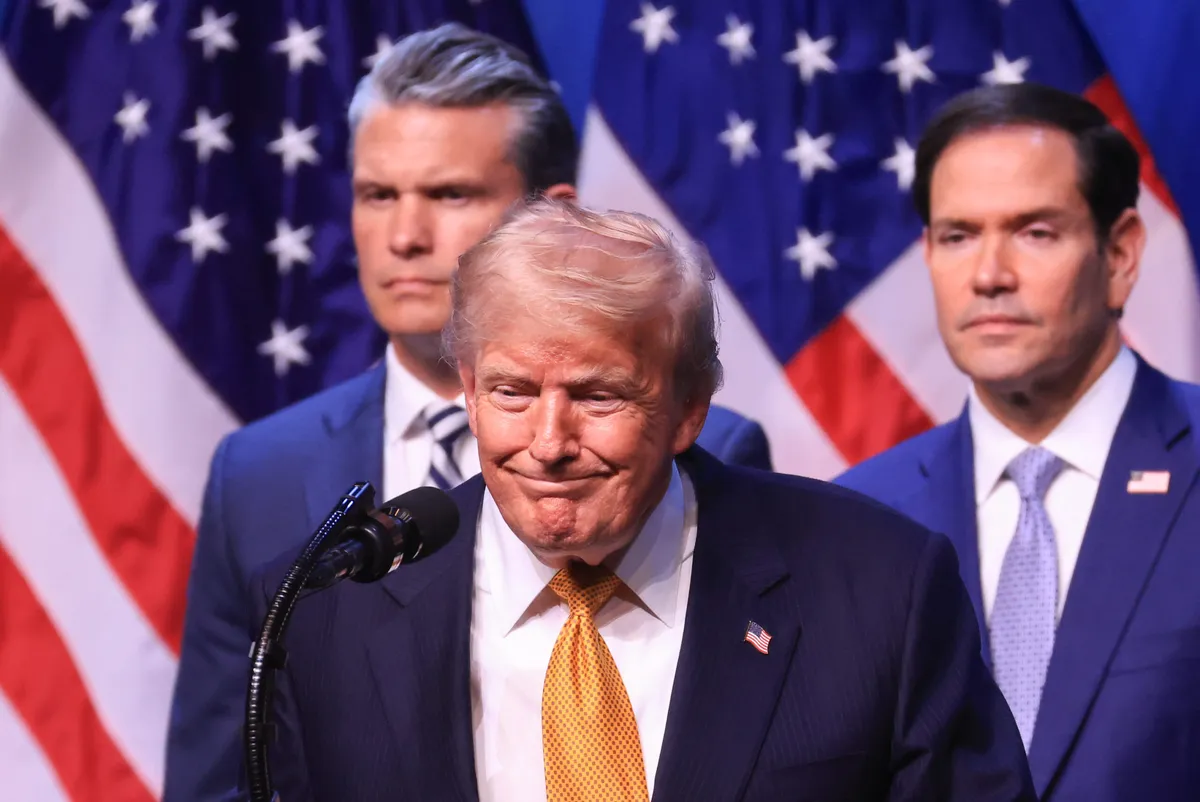
The geopolitical landscape in the Middle East is once again fraught with tension as the United States reinstates a blockade on Iranian ships transiting the strategically vital Strait of Hormuz. This significant escalation, announced by President Donald Trump, comes amidst ongoing military actions and diplomatic disputes between the US and Iran. With a demand for a hefty 20% toll on cargo, the US asserts its role as the "guardian" of this crucial waterway, raising questions about the implications for global shipping, oil prices, and regional stability.
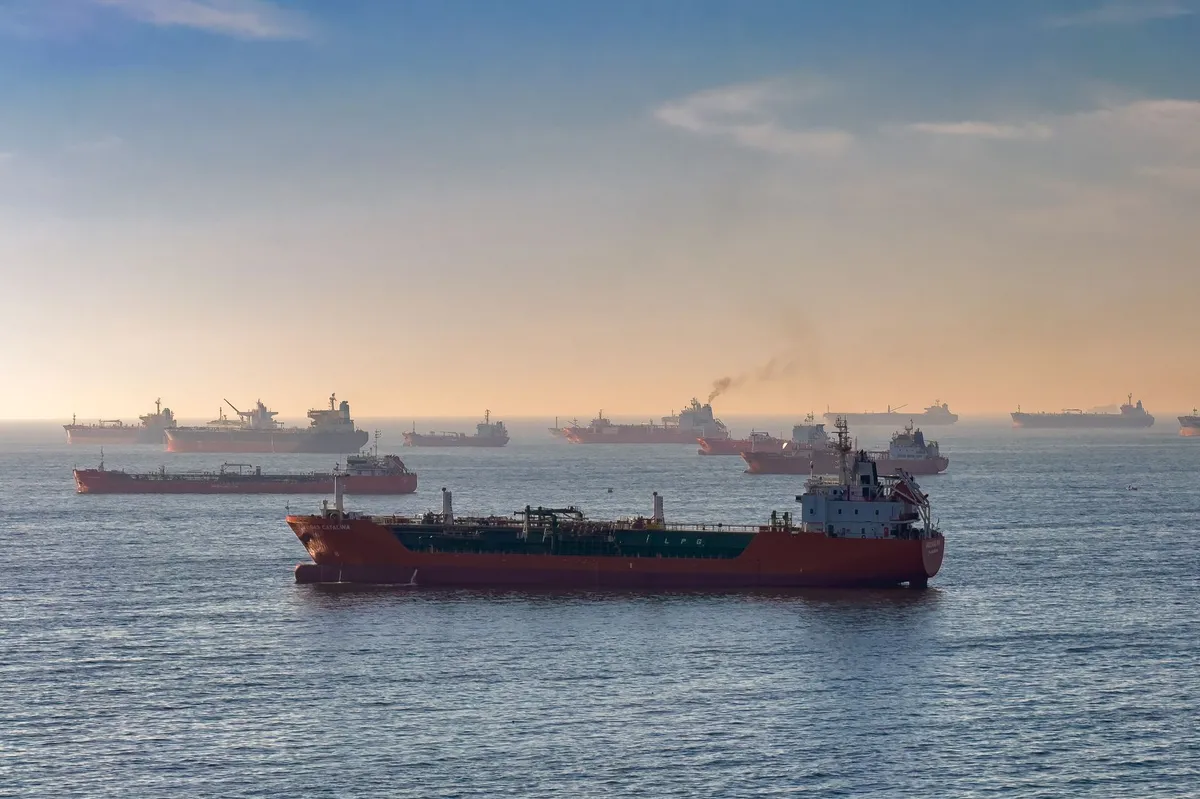
The Strait of Hormuz is already known as one of the world’s most critical maritime chokepoints, facilitating the transit of approximately 20% of the world's oil supply. The recent US actions, which include military strikes against Iranian targets and a strict blockade, threaten to disrupt this essential flow and exacerbate existing tensions in the region. As the situation evolves, the broader implications for international commerce and energy prices are becoming increasingly apparent.
Understanding the Blockade and Its Implications
President Trump’s announcement on July 14, 2026, included a firm commitment to resume military operations against Iranian ships and to enforce a blockade beginning that very day. This move follows a series of military strikes targeting Iranian capabilities related to the Strait of Hormuz. In a statement, Central Command indicated that the US military intended to maintain pressure on Iran, with Trump declaring, "we're going to hit them very hard tonight, and we're going to hit them hard tomorrow."
By demanding a 20% reimbursement on all cargo passing through the strait, the US has introduced a controversial financial element to its military strategy. This fee, which could amount to around $32 million for a fully-loaded very large crude carrier at current oil prices, represents a significant increase compared to previous tolls that Iran had charged. The announcement has sent shockwaves through maritime markets, as industry stakeholders scramble to understand how this new charge will be implemented and what it means for their operations.

Market Reactions and Economic Consequences
The immediate market response to Trump's blockade and fee proposal was notable. Brent crude oil prices surged above $85 per barrel for the first time in a month, signaling heightened concerns about supply disruptions due to the renewed military conflict. Oil prices are sensitive to geopolitical tensions, and any indication that the flow of oil through the Strait of Hormuz could be compromised tends to lead to price spikes globally.
Industry experts have highlighted that the reinstatement of the blockade, combined with the potential for increased Iranian military repercussions, could lead to a volatile shipping environment. Transits through the strait dropped to their lowest levels in a month just days before the announcement, indicating that shipping companies may already be altering their routes and practices in anticipation of further conflict.
Impact on International Relations
The blockade has also raised significant diplomatic concerns. Iran's government swiftly condemned the announcement, asserting that it marked a crisis phase in US-Iran relations. Iranian Foreign Minister Abbas Araghchi ridiculed the toll proposal, insisting that Iran has historically been the guardian of the Strait and would continue to assert its authority over the region. This rhetoric underscores the challenges facing US policymakers as they navigate a complex web of international relations in the Middle East.

Legal and Ethical Considerations
One of the most contentious aspects of the blockade is its legality under international law. The United Nations Convention on the Law of the Sea guarantees the right of transit passage through straits used for international navigation, and coastal states are typically prohibited from imposing tolls on vessels for simple passage. However, nations are allowed to charge for specific services rendered to individual ships.
The US proposal for a fee raises questions about whether it might contravene these international legal principles. A spokesperson for the International Maritime Organization has reiterated its opposition to charging fees for passage through such critical waterways. The US must navigate these legal challenges carefully, as unilateral actions could provoke backlash not only from Iran but also from other nations that rely on the freedom of navigation in the Strait of Hormuz.
The Future of Maritime Security in the Region
The US's recent military operations in the region have included escorting oil tankers and commercial vessels through the Strait of Hormuz to ensure safe passage. However, experts suggest that these measures may fall short without a more robust military presence, potentially inviting further Iranian aggression. Analysts warn that if the US does not bolster its military operations, it could face difficulties maintaining control over this strategic waterway.
The consequences of these actions extend beyond immediate military concerns, affecting global energy markets and international shipping practices. Countries that rely on the Strait of Hormuz for oil exports may find themselves in precarious positions, and global oil consumers could face rising prices as tensions escalate. This situation serves as a reminder of the interconnectedness of global trade and security in the volatile Middle East.

Key Takeaways
- The US has reinstated a blockade on Iranian ships in the Strait of Hormuz, escalating military tensions.
- Trump's proposal for a 20% toll on cargo could significantly impact global shipping costs and oil prices.
- The legality of the blockade raises questions under international maritime law.
- Iran has vowed to retaliate against perceived threats to its authority in the strait.
- The situation poses significant risks for international commerce and energy security.
Frequently Asked Questions
What is the significance of the Strait of Hormuz?
The Strait of Hormuz is a narrow waterway that connects the Persian Gulf with the Gulf of Oman. It is strategically vital because it handles a significant portion of the world's oil supply, making it a critical artery for global energy markets. Any disruptions in this area can have far-reaching implications for oil prices and international trade.
How might the US blockade affect oil prices?
The reinstatement of the blockade is likely to create upward pressure on oil prices due to fears of supply disruptions. As market participants react to the possibility of reduced oil flows through the Strait of Hormuz, prices can spike, impacting consumers globally. Historical precedents show that conflicts in this region often lead to volatility in energy markets.
What are the potential legal implications of the US's actions?
The US blockade and toll proposal could face significant legal challenges under international maritime law, which typically protects the right to free passage through straits used for international navigation. If deemed unlawful, the US could face backlash from other nations and international organizations, potentially complicating its diplomatic relations further.
What is Iran's likely response to the blockade?
Given Iran's history of asserting its authority over the Strait of Hormuz, it is likely that the country will respond to the US blockade with military actions or aggressive rhetoric. Iran has previously engaged in tit-for-tat strikes in response to perceived threats, making it critical for observers to monitor developments closely as the situation evolves.
Comments
Insurance Malpractice Case Highlights Risks in Property Valuation
A New Jersey apartment owner's lawsuit against Alliant Insurance Services reveals significant issues in property insurance valuation practices, potentially leaving owners financially vulnerable.

Related articles







Popular in Business Insurance
- Surging War-Risk Insurance Rates in the Strait of Hormuz: What It Means for Shipping
- Ross & Yerger Insurance Faces Class Action Over Data Breach Allegations
- Sompo Expands U.S. Workers' Compensation Portfolio with Service Insurance Acquisition
- Legal Battle Unfolds Over $1 Million Truck Crash Insurance Payout
- Howden Group's Ambitious Journey Toward IPO and Expansion