Dynamic Insurance Pricing for Power Generation: A Necessity Amid Rising Risks
As extreme weather events escalate, the power generation industry faces unprecedented risks that traditional insurance models fail to address. This article explores the urgent need for dynamic pricing in power generation insurance, highlighting the implications of rising wholesale power prices and the role of data centers in this evolving landscape.

The energy sector is undergoing a seismic shift, driven by increasing demand, especially from data centers, and the rising frequency of extreme weather events. The recent capacity auction for PJM Interconnection, the largest power grid in the United States, serves as a stark illustration of these changes. It cleared a staggering $329.17 per megawatt-day for the 2026-2027 delivery year, a dramatic increase from just $28.92 two years prior. This tenfold surge underscores the tightening supply margins in the region, reflecting a broader trend that is reshaping the insurance landscape for power generation.
As wholesale power prices in PJM soared to an average of $136.53 per megawatt-hour in the first quarter of 2026, a 76% increase from the previous year, the implications for power generators and their insurers are profound. Independent market monitor Monitoring Analytics attributes a significant 63% of this price increase to the burgeoning load from data centers, highlighting an essential aspect of the current energy landscape: the urgent need for insurance models that accurately reflect real-time risks rather than outdated data.
Understanding the Financial Risks for Power Generators
For power generators, the stakes are incredibly high. When a generator fails to deliver the committed power during grid emergencies, it is forced to procure replacement power at exorbitant market prices. This financial exposure, which is currently underwritten based on static surveys, fails to account for the dynamic realities of a rapidly evolving energy market.
The Impact of Extreme Weather
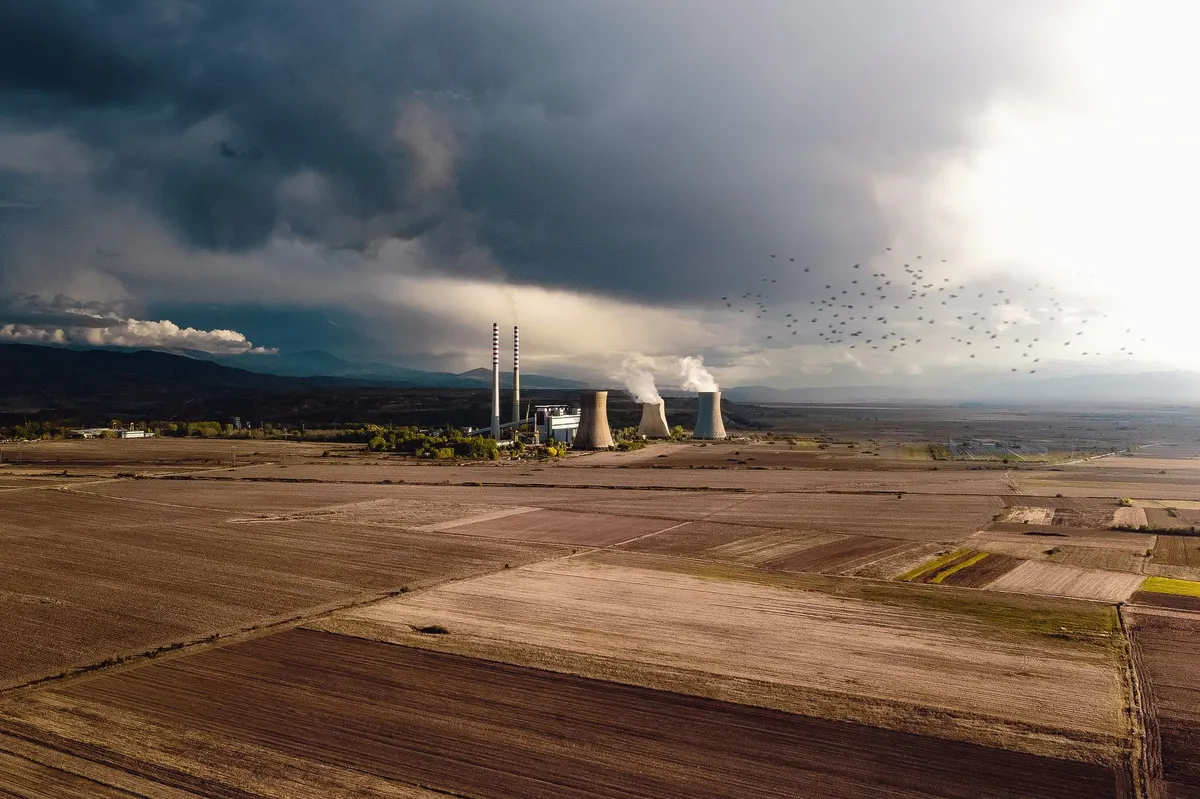
Extreme heat events, such as those experienced during the July 4th weekend, provide a clear example of the vulnerabilities in the current system. The Department of Energy authorized PJM to curtail power usage from data centers and waive pollution limits for power plants due to projected peak loads exceeding historical records. The emergency declaration highlighted a growing underwriting problem: as temperatures rise, the demand for power surges while simultaneously reducing the efficiency of conventional power plants and wind farms. This duality creates a perfect storm of increased demand and diminished supply, heightening the risk of grid failures.
The Shift Toward Dynamic Pricing Models
Alistair Moodie, Chief Product Officer at SAMP Risk, emphasizes the necessity for power insurers to adapt to these changing conditions. He argues that the July 4th events serve as a preview of the risks that need to be taken seriously across the energy market. Moodie points to the UK’s National Energy System Operator as a model for how regulatory bodies are beginning to address these challenges, particularly in managing extreme summer loads.
Challenges of Static Surveys
The challenge with relying on static surveys for underwriting is that they cannot capture the evolving cost exposure associated with replacement power during emergencies. In a climate where extreme weather events are becoming more frequent, traditional models risk leaving power generators vulnerable to significant financial liabilities. Plants that fail to produce electricity during high-demand periods miss out on substantial revenue and may incur steep costs to cover their commitments to the grid.
- Increasing demand from data centers: As data centers expand, their energy consumption rises sharply, impacting power supply dynamics.
- Extreme temperatures affect generation efficiency: Higher temperatures reduce the output of both conventional and renewable energy sources.
- Financial exposure during emergencies: Generators may face significant costs when forced to buy replacement power during grid emergencies.
Connected Insurance: A Solution for the Future
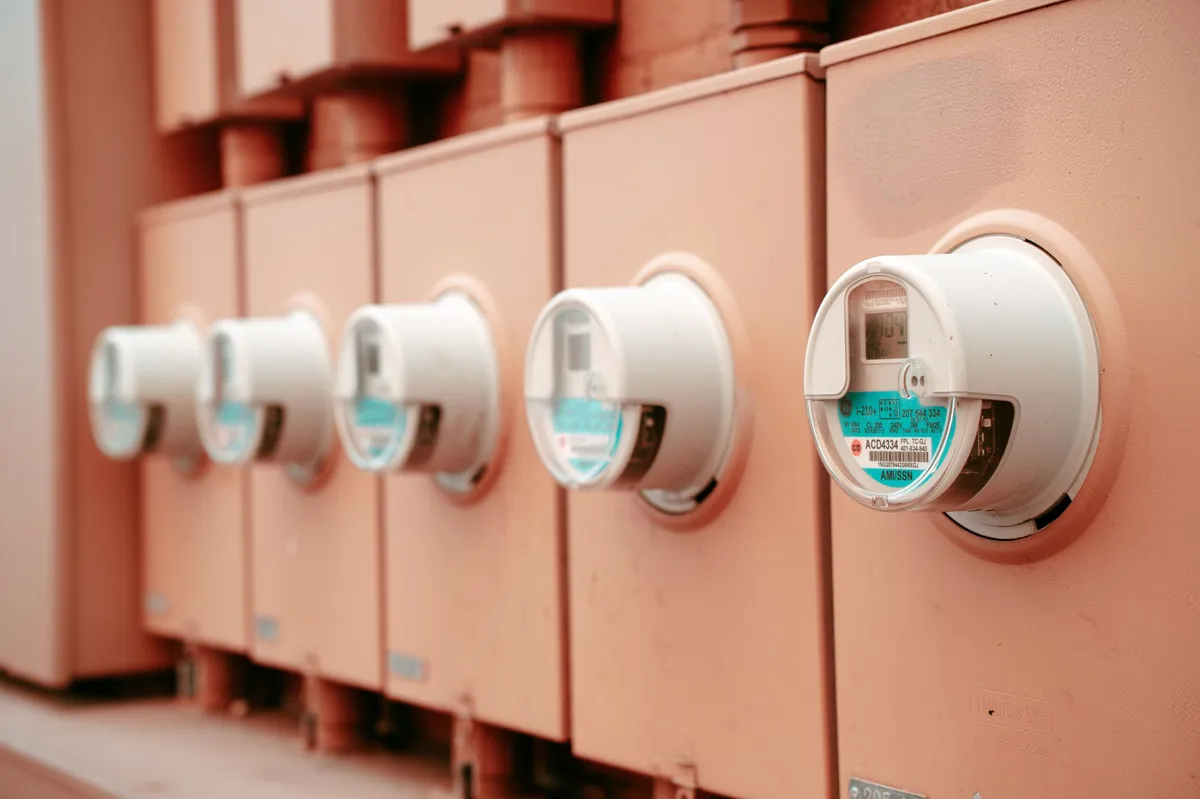
Moodie proposes a solution: connected insurance that utilizes telematics data to provide real-time insights into asset performance. This innovative approach allows for the identification of potential issues before they escalate into financial losses, shifting the focus from traditional assumptions to actual operating conditions. By implementing dynamic pricing models, insurers can better align their offerings with the realities of power generation, addressing the growing risk landscape.
Benefits of Real-Time Data
Real-time data can transform the underwriting process. For example, if a power plant experiences a sudden drop in output due to equipment failure, connected insurance could alert both the operator and the insurer, enabling proactive measures to mitigate losses. This approach not only protects the balance sheets of power generation companies but also enhances the overall stability of the grid.

Key Takeaways
- The PJM Interconnection capacity auction highlights the growing financial risks for power generators.
- Extreme weather events are increasing the likelihood of grid emergencies and impacting generation efficiency.
- Static insurance models fail to account for dynamic operational realities.
- Connected insurance, leveraging real-time data, offers a potential solution to adapt to these challenges.
- The insurance market must evolve to meet the needs of a rapidly changing energy landscape.
Frequently Asked Questions
What is the significance of the PJM capacity auction results?
The PJM capacity auction results indicate a significant tightening of supply margins in the energy market. The dramatic increase in prices from $28.92 to $329.17 per megawatt-day highlights the pressures facing power generators, which must now navigate not only high demand but also the risk of incurring substantial costs during emergencies. This shift is a clear signal for both power companies and insurers to reassess their risk management strategies.
How do extreme weather events affect power generation?
Extreme weather events, such as heat waves, can drastically affect power generation efficiency. Higher temperatures can lead to reduced output from conventional power plants and lower wind speeds, creating a scenario where demand spikes while supply diminishes. This imbalance heightens the risk of grid emergencies, putting additional pressure on generators and their ability to meet commitments.
What is connected insurance and how does it work?
Connected insurance leverages telematics and real-time data to provide insurers and operators with insights into asset performance. By applying this technology, insurers can assess risk based on current operational conditions rather than outdated assumptions. This proactive approach allows for the early identification of potential issues, helping to mitigate financial losses and improve overall risk management within the power generation sector.
Why is dynamic pricing important for power generation insurance?
Dynamic pricing is crucial for power generation insurance as it aligns the financial products with the real-time risks faced by generators. As demand fluctuates and extreme weather events become more common, insurers must adapt their models to accommodate these changes. By doing so, they can better protect power generation businesses from the financial exposure associated with grid emergencies and ensure a more stable energy market.
Comments
Insurance Malpractice Case Highlights Risks in Property Valuation
A New Jersey apartment owner's lawsuit against Alliant Insurance Services reveals significant issues in property insurance valuation practices, potentially leaving owners financially vulnerable.

Related articles







Popular in Business Insurance
- Surging War-Risk Insurance Rates in the Strait of Hormuz: What It Means for Shipping
- Ross & Yerger Insurance Faces Class Action Over Data Breach Allegations
- Sompo Expands U.S. Workers' Compensation Portfolio with Service Insurance Acquisition
- Legal Battle Unfolds Over $1 Million Truck Crash Insurance Payout
- Howden Group's Ambitious Journey Toward IPO and Expansion