Kentucky Candle Factory Ruling: Workers' Rights Beyond Compensation Claims
A Kentucky appeals court ruling allows workers injured in a tornado to pursue more than just workers' compensation claims, reshaping employer liability and workplace safety.
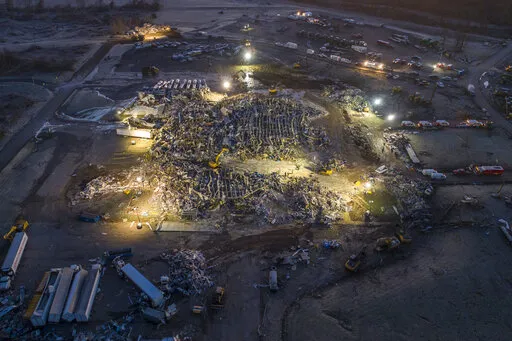
In a landmark decision that could set a precedent for workplace safety and employee rights, the Kentucky Court of Appeals ruled that workers injured or killed in a devastating tornado at a candle factory in 2021 may pursue legal action beyond the confines of workers' compensation claims. This ruling comes in light of allegations that employees were unlawfully restrained from leaving the building as the deadly EF-4 tornado approached, raising critical questions about employer liability and the protections afforded to workers during emergencies.
The significance of this ruling is manifold, as it not only addresses the immediate aftermath of the disaster but also casts a wider net over the obligations and responsibilities of employers in protecting their workforce from foreseeable dangers. As the case moves back to the Graves County Circuit Court for trial, it is essential for both employees and employers to understand the implications of this decision.
Understanding Workers' Compensation Laws
Workers' compensation systems are designed to provide a form of insurance for employees injured on the job, offering them a guaranteed, no-fault remedy for medical expenses and lost wages. In exchange for this protection, employees typically surrender their right to sue employers for additional damages related to workplace injuries. This exclusive remedy principle, however, has exceptions, particularly in cases where an employer's conduct is deemed willfully negligent or malicious.
The Kentucky Court of Appeals found that the actions of Mayfield Consumer Products, the candle factory in question, might fall into this exception. According to the court's opinion, if it can be demonstrated that supervisors actively blocked exits and coerced employees to remain in the building, they could be held liable for false imprisonment, a tort that allows for additional damages beyond workers' compensation.

The Facts of the Case
On December 10, 2021, as the tornado approached, the factory was operating at full capacity to meet holiday demand. Witnesses allege that supervisors physically obstructed exits, preventing workers from seeking safety. Some employees reported being told they could not leave, even as the storm bore down on the facility. The tornado ultimately devastated the building, trapping several workers and resulting in multiple fatalities.
The court's decision highlights the critical distinction between instructing employees to shelter in place—an action that may be appropriate during emergencies—and physically preventing them from fleeing, which could be construed as a deliberate act of restraint. The plaintiffs in the case argued that such actions created a reasonable apprehension of harm, which is a key component in establishing claims for false imprisonment.
Legal Precedents and Broader Implications
This ruling aligns with a growing body of legal precedents that recognize the rights of employees to seek justice beyond the limitations of workers' compensation. For instance, the court cited earlier decisions that defined restraint not just as physical barriers, but also as actions and words that could instill fear or anxiety about the potential use of force.
As the case progresses, it could embolden other workers to challenge similar employer practices, particularly in industries where natural disasters are a common risk. Workers in hazardous professions, from factory workers to utility crews, might find renewed avenues for legal recourse if they believe their employers have failed to take adequate precautions during emergencies.

Repercussions for Employers and Insurers
For employers, this ruling serves as a stark reminder of the importance of developing comprehensive emergency protocols that prioritize employee safety. Companies must not only comply with existing labor laws but also ensure that management practices do not inadvertently jeopardize their workforce during crises.
Additionally, commercial liability insurers may need to reassess their policies and coverages in light of the ruling. As lawsuits stemming from similar incidents increase, insurers could face heightened exposure to claims that extend beyond traditional workers' compensation. This shift may lead to changes in underwriting practices and a reevaluation of risk management strategies.
What Workers Should Know
For employees, this decision underscores the necessity of understanding their rights in the workplace, especially in the context of emergency preparedness. Workers should be aware of their company's protocols and ensure that they are adequately trained on what to do during emergencies. Moreover, if they feel unsafe or coerced into dangerous situations, they should document their experiences and seek legal advice if necessary.
- Key Points for Workers:
- Understand your rights regarding workplace safety and emergency procedures.
- Document any instances of employer coercion or unsafe practices.
- Seek legal advice if you believe you have a case for more than just workers' compensation.

Key Takeaways
- The Kentucky Court of Appeals ruling allows workers to pursue claims beyond workers' compensation due to alleged employer misconduct.
- Supervisors may face liability for actions that prevent employees from seeking safety during emergencies.
- This decision could reshape workplace safety protocols and liabilities for employers across various industries.
Frequently Asked Questions
What does the ruling mean for workers injured in emergencies?
This ruling empowers workers injured in emergencies to pursue legal action against their employers if they can demonstrate that their employers engaged in willful misconduct or negligence, such as preventing them from seeking safety during a disaster. This creates an avenue for potential compensation beyond the limitations of workers' compensation.
How can employers protect themselves following this ruling?
Employers should prioritize the development of comprehensive safety protocols, ensuring that all supervisory staff are trained in emergency response procedures. Establishing a culture of safety and encouraging open communication about emergency plans can help mitigate potential liability and protect workers during crises.
What should I do if I feel unsafe at work?
If you feel unsafe at work, document any incidents or practices that contribute to your feelings of insecurity. Communicate your concerns to your supervisor or human resources department. If you believe your safety is being compromised, consider seeking legal advice to understand your rights and potential courses of action.
What are the implications for employers' insurance policies?
Employers may need to review and adjust their insurance policies to account for potential liabilities stemming from employee lawsuits related to workplace safety. Insurers might require more robust risk management practices and could alter premiums based on the increased risk of claims arising from similar incidents.
Comments
Insurance Malpractice Case Highlights Risks in Property Valuation
A New Jersey apartment owner's lawsuit against Alliant Insurance Services reveals significant issues in property insurance valuation practices, potentially leaving owners financially vulnerable.

Related articles







Popular in Business Insurance
- Surging War-Risk Insurance Rates in the Strait of Hormuz: What It Means for Shipping
- Ross & Yerger Insurance Faces Class Action Over Data Breach Allegations
- Sompo Expands U.S. Workers' Compensation Portfolio with Service Insurance Acquisition
- Legal Battle Unfolds Over $1 Million Truck Crash Insurance Payout
- Howden Group's Ambitious Journey Toward IPO and Expansion