Warren Buffett's 2034 Berkshire Hathaway Exit: What It Means for Insurance
Warren Buffett plans to divest his entire stake in Berkshire Hathaway by 2034, marking a pivotal moment for the insurance industry. This article explores the implications of this transition and its impact on stakeholders.
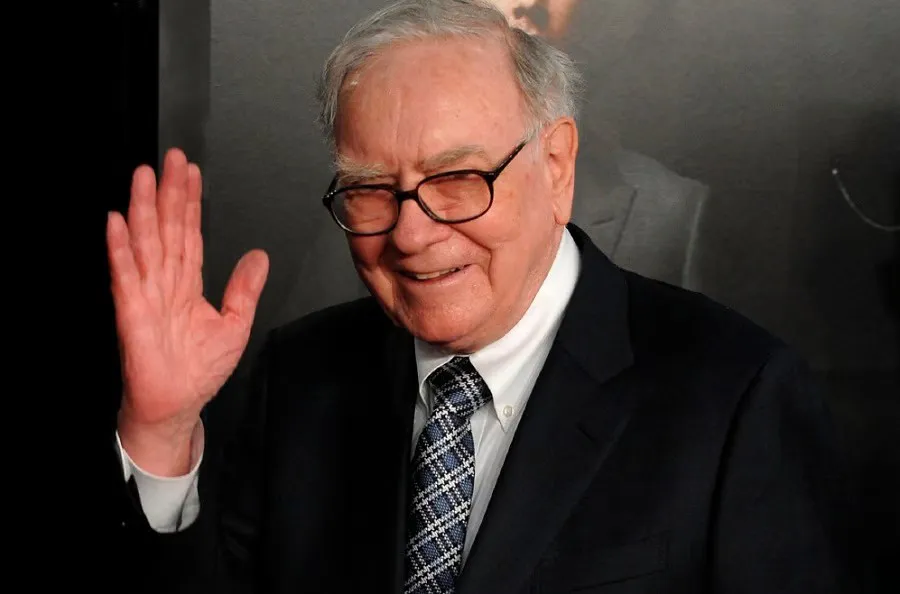
In a significant announcement that ripples through the financial and insurance landscapes, Warren Buffett, the legendary investor and CEO of Berkshire Hathaway, has committed to divesting his entire stake in the conglomerate by December 31, 2034. This declaration, made on July 14, sets a definitive timeline for the world’s largest insurance holding company’s ownership transition. Buffett's strategic move not only represents a personal milestone but also raises critical questions about the future governance and operational strategies of Berkshire's insurance operations, which encompass GEICO, Berkshire Hathaway Reinsurance Group, and Berkshire Hathaway Primary Group.
The announcement comes on the heels of Buffett converting 8,000 Class A shares into 12 million Class B shares, subsequently distributing them among four philanthropic foundations. The Susan Thompson Buffett Foundation received the lion's share with 9 million shares, while the other three foundations—Sherwood Foundation, Howard G. Buffett Foundation, and Novo Foundation—each received 1 million shares. Following this conversion, Buffett retains 188,290 Class A shares and 1,162 Class B shares, marking a significant shift in his investment strategy.

Understanding the 2034 Deadline
Buffett’s commitment to divest all his shares by 2034 is more than just a personal decision; it’s a strategic move that carries profound implications for the insurance sector. As the largest single shareholder of Berkshire Hathaway, Buffett's decisions have significantly influenced the company's trajectory. His announcement provides a clear timeline for the transition of power and influence within the organization, crucial for stakeholders who rely on Berkshire’s stability and reputation.
The Succession Planning Challenge
Buffett's plan involves a careful succession strategy, with Greg Abel set to take over as CEO in January 2026. While Buffett will remain as chairman of the board, the transition raises questions about the future governance of Berkshire Hathaway, particularly in its insurance divisions. Ajit Jain, who continues as vice chairman of insurance operations, will play a pivotal role in overseeing Berkshire’s substantial insurance portfolio under Abel’s leadership. As the company shifts away from Buffett's direct influence, the concern among analysts and investors revolves around how the company will manage capital allocation and strategic decisions in the insurance realm.

The Impact on Insurance Operations
Berkshire Hathaway's insurance operations are not just a small segment of its diversified portfolio; they form a critical backbone of its financial success. As of Q1 2026, Berkshire's insurance businesses boasted a staggering combined float of approximately $176.9 billion, making it a formidable player in the global re/insurance markets. This float represents the funds held by insurance companies that are yet to be paid out in claims, allowing Berkshire to invest these resources elsewhere for profit.
Buffett's divestment timeline raises questions about how the company will adapt in a changing market. Analysts from Keefe, Bruyette & Woods have highlighted what they term Berkshire's "historically unique succession risk," emphasizing the potential uncertainties that might arise post-Buffett. The downgrade of Berkshire's stock in 2025 underscores the growing concerns regarding governance and strategic direction once Buffett, a figure synonymous with sound investing, is no longer actively involved in the company.
- Key Players: Berkshire's key insurance operations include GEICO and Berkshire Hathaway Reinsurance Group.
- Financial Strength: The insurance segments reported a 29% year-over-year increase in underwriting income, reaching $1.72 billion in Q1 2026.
- Market Dynamics: The company expects to reduce its property and casualty reinsurance writings amid softening market rates.

Philanthropic Impacts and Future Governance
Buffett's intent to transfer his shares to the four foundations by the 2034 deadline raises additional questions about the philanthropic implications of this move. The Susan Thompson Buffett Foundation, which will receive a larger share of the annual grants, is expected to have a significant influence on charitable causes. However, the management of these foundations will also carry weight in how Berkshire’s insurance operations are governed and directed in the future.
While the foundations will inherit Buffett’s shares, their ability to maintain the company’s operational efficiency and strategic vision remains uncertain. Buffett himself acknowledged that the timeline carries no guarantees, particularly concerning his mortality. The foundations will be tasked with navigating the complexities of running an enterprise as multifaceted as Berkshire Hathaway while ensuring that the core principles of Buffett’s investment philosophy are upheld.
Market Reactions and Analyst Insights
The insurance market is already reacting to the implications of Buffett’s planned exit. Investors and analysts are closely monitoring the decisions made by Berkshire's leadership team, particularly as the company navigates a period of declining underwriting profits and softening market conditions. Berkshire Hathaway's most recent annual report indicates a cautious outlook on property and casualty reinsurance, which could signal changing dynamics in how the company approaches its insurance business moving forward.
As the industry collectively braces for the transition, it is essential for stakeholders to understand the potential shifts in capital allocation strategies and how they may affect various market players. The uncertainty surrounding Berkshire’s governance post-Buffett could deter some investors, especially those who have historically relied on Buffett’s reputation and decision-making prowess.
Key Takeaways
- Warren Buffett plans to divest his entire stake in Berkshire Hathaway by December 31, 2034.
- The transition raises crucial questions about the future governance of Berkshire, particularly in its insurance operations.
- Buffett's philanthropic commitments will influence how Berkshire's shares are managed post-divestment.
- Berkshire’s insurance operations remain a significant player in the global market, with a combined float of approximately $176.9 billion.
- Market analysts express concerns over succession risks following Buffett's departure and its potential impact on investor confidence.
Frequently Asked Questions
Why is Warren Buffett divesting his shares in Berkshire Hathaway?
Warren Buffett has committed to divesting his shares as part of a succession plan to ensure a smooth transition of leadership and influence within Berkshire Hathaway. This decision aligns with his philanthropic goals, as he plans to distribute his shares to charitable foundations, ensuring that his legacy of responsible investing continues even after his departure.
What implications does Buffett’s exit have for Berkshire Hathaway’s insurance operations?
Buffett's exit is expected to create uncertainties in governance and operational strategies for Berkshire's insurance divisions, which include GEICO and Berkshire Hathaway Reinsurance Group. Analysts have expressed concerns regarding how the company will manage capital allocation and strategic decisions without Buffett's direct influence, potentially affecting investor confidence.
How will the transition affect investors in Berkshire Hathaway?
Investors may face increased uncertainty as Berkshire Hathaway transitions away from Buffett's leadership. The company's governance structure and decision-making processes may evolve, which could impact stock performance and investor sentiment. Analysts have cautioned that the lack of transparency in governance post-Buffett could deter some investors.
What are the broader implications for the insurance industry?
Buffett's divestment timeline signals potential shifts in the insurance market as Berkshire Hathaway's influence wanes. As one of the largest players in the insurance sector, changes in Berkshire's capital allocation strategies could affect market dynamics, pricing, and the competitive landscape within the industry.
Comments
NFP Expands Wealth Management Footprint with Total Benefits Advisors Acquisition
NFP's recent acquisition of Total Benefits Advisors marks a strategic move to enhance its wealth management services in the Cleveland area, reflecting broader trends in the advisory landscape.

Related articles







Popular in Business Insurance
- Surging War-Risk Insurance Rates in the Strait of Hormuz: What It Means for Shipping
- Ross & Yerger Insurance Faces Class Action Over Data Breach Allegations
- Sompo Expands U.S. Workers' Compensation Portfolio with Service Insurance Acquisition
- Legal Battle Unfolds Over $1 Million Truck Crash Insurance Payout
- Howden Group's Ambitious Journey Toward IPO and Expansion