The Hanover Insurance Group Prepares for Leadership Transition as CEO Plans Retirement
The Hanover Insurance Group is set to undergo a significant leadership change as CEO John C. Roche announces his retirement at the end of 2026. Richard W. Lavey, the company's current COO, will step into the CEO role, ensuring a seamless transition in the company's strategic direction.

The insurance industry is witnessing a pivotal leadership change as John C. Roche, the esteemed president and CEO of The Hanover Insurance Group, prepares to retire on December 31, 2026. With a remarkable 40-year career in the insurance sector, Roche's impending retirement marks the end of an era characterized by significant achievements and growth for the company. Under his stewardship, The Hanover has not only achieved record operating earnings but also strengthened its position as a premier property and casualty insurance provider within the independent agency channel.
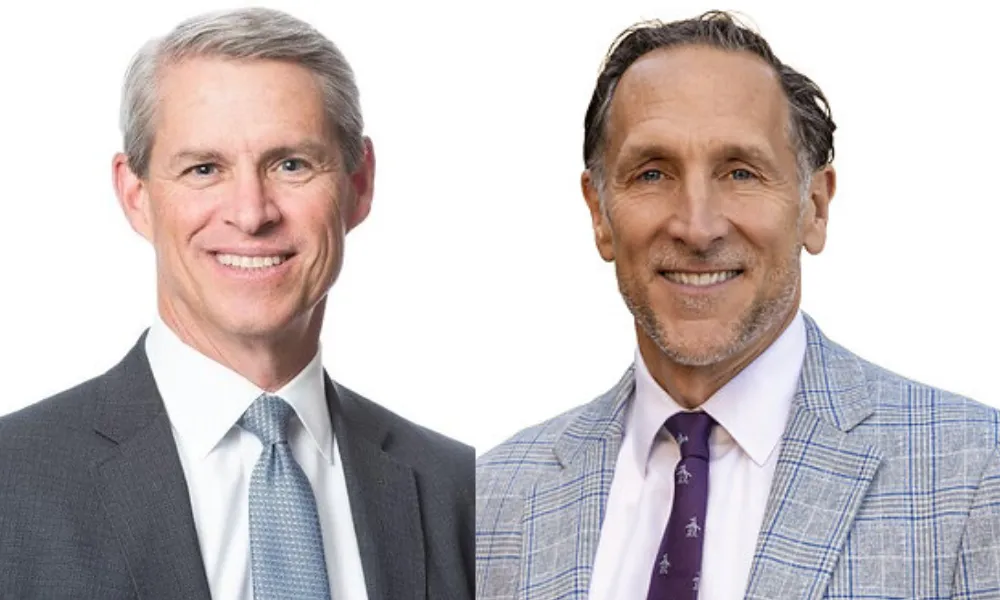
In a strategic move to ensure continuity and stability, The Hanover's board of directors has appointed Richard W. Lavey, the current chief operating officer and president of Hanover Agency Markets, as CEO-elect. Lavey will work closely with Roche over the next few years to facilitate a smooth transition and uphold the organization's commitment to excellence.
John C. Roche: A Legacy of Leadership
Joining The Hanover in 2006, Roche rose through the ranks and was appointed president and CEO in 2017. His tenure has been marked by impressive financial performance and a strong focus on innovation and operational efficiency. Roche's leadership philosophy emphasizes collaboration and the importance of talent development, which has played a crucial role in cultivating a skilled workforce within The Hanover.
Achievements Under Roche
- Record Operating Earnings: The Hanover achieved unprecedented financial results, reflecting its strategic initiatives and market positioning.
- Stock Price Appreciation: The company has seen significant growth in its stock value, benefiting shareholders and enhancing its market reputation.
- Strengthened Market Position: Under Roche's leadership, The Hanover solidified its reputation within the independent agency channel, attracting a diverse client base.

Richard W. Lavey: The Successor’s Vision
Richard Lavey’s extensive experience at The Hanover—spanning nearly two decades—positions him as an ideal successor to Roche. Lavey has held various leadership roles, including chief marketing officer and president of personal lines, where he has demonstrated a strong ability to drive growth and innovation.
Strategic Role and Responsibilities
As COO, Lavey has been pivotal in reshaping the company’s operating model, enhancing the integration of business and technology functions. His current role as president of Hanover Agency Markets involves overseeing the growth and performance of both commercial and personal lines, making him intimately familiar with the company’s core offerings and market dynamics.
Lavey’s prior experiences at notable companies, including The Hartford and The Travelers Insurance Company, add a wealth of knowledge and perspective that will be beneficial in his new role as CEO. He also served as chairman of the board for the National Council on Compensation Insurance (NCCI), further illustrating his commitment to advancing the insurance industry.

Implications for The Hanover and the Insurance Industry
The transition in leadership at The Hanover comes at a critical time for the insurance industry. As companies navigate challenges such as regulatory changes, evolving consumer preferences, and technological advancements, effective leadership is paramount for sustainable growth.
Market Context and Challenges
The insurance sector is currently experiencing a transformative phase, driven by digital innovation and changing market conditions. Insurers are increasingly focused on leveraging technology to enhance customer experience, streamline operations, and improve underwriting processes. As Lavey steps into his new role, he will need to address these challenges and capitalize on emerging opportunities.
Moreover, with ongoing economic uncertainties and increasing competition, The Hanover will need to continue adapting its strategies to maintain its market leadership. Lavey’s extensive background positions him well to guide the company through these complexities.

Looking Ahead: A Seamless Transition
In his farewell statement, Roche expressed pride in The Hanover's accomplishments and confidence in Lavey's ability to lead the company into a new chapter. Roche's commitment to ensuring a seamless transition highlights the importance of succession planning in maintaining organizational stability and continuity.
Key Steps in the Transition Process
The Hanover’s planned transition includes several key steps to facilitate Lavey’s onboarding:
- Collaborative Planning: Roche and Lavey will engage in strategic discussions to align on short-term and long-term goals.
- Mentorship: Roche will share insights and experiences to equip Lavey with the necessary tools for effective leadership.
- Stakeholder Engagement: Lavey will meet with key stakeholders to communicate his vision and foster relationships that are essential for the company’s success.

Key Takeaways
- Leadership Transition: John C. Roche will retire at the end of 2026, with Richard W. Lavey appointed as CEO-elect.
- Financial Success: Under Roche's leadership, The Hanover achieved record financial results and stock price growth.
- Strategic Focus: Lavey will continue to enhance The Hanover’s operational efficiency and market position in a competitive landscape.
- Seamless Transition: The company is committed to a collaborative transition process to ensure stability and continuity.
Frequently Asked Questions
What is the significance of CEO succession planning in insurance companies?
CEO succession planning is crucial in the insurance industry as it ensures that organizations maintain stability and continuity during leadership transitions. Effective succession planning helps mitigate risks associated with sudden leadership changes and fosters confidence among stakeholders. In a highly regulated and competitive environment, having a well-prepared successor can facilitate a smoother transition and maintain the company’s strategic direction.
How does leadership impact an insurance company’s performance?
Leadership plays a vital role in shaping an insurance company’s culture, strategic direction, and operational efficiency. A strong leader not only drives financial performance but also fosters innovation and adaptability, which are essential in navigating market challenges. For example, leaders who prioritize technology and customer service can enhance the overall client experience, leading to higher satisfaction and retention rates.
What challenges does the insurance industry currently face?
The insurance industry is grappling with several challenges, including regulatory compliance, economic uncertainties, and changing consumer expectations. Additionally, the rapid advancement of technology is reshaping how insurers operate and engage with clients. Companies need to embrace digital transformation and adapt their business models to stay competitive in this evolving landscape.
What can employees expect during a leadership transition?
During a leadership transition, employees can expect increased communication from both outgoing and incoming leaders regarding the company's vision and strategic direction. Organizations often implement mentorship programs to facilitate knowledge transfer and ensure that employees understand the new leadership's expectations. Additionally, employees may have opportunities to provide input and feedback during the transition process, fostering a sense of involvement and engagement.
Comments
Harnessing AI in Insurance: From Document Processing to Revenue Growth
The insurance industry is evolving its approach to AI, transitioning from basic document extraction to focusing on productivity and revenue growth. This article dives into the ongoing discussions among industry leaders about the future of AI in insurance and the potential for transformative gains.

Related articles






Popular in Business Insurance
- Surging War-Risk Insurance Rates in the Strait of Hormuz: What It Means for Shipping
- Ross & Yerger Insurance Faces Class Action Over Data Breach Allegations
- Sompo Expands U.S. Workers' Compensation Portfolio with Service Insurance Acquisition
- Legal Battle Unfolds Over $1 Million Truck Crash Insurance Payout
- Howden Group's Ambitious Journey Toward IPO and Expansion