Setting the Stage: New Regulatory Framework for Autonomous Vehicles
The Trump administration is taking significant steps to establish safety standards for autonomous vehicles amidst growing concerns over their operation. This article explores the implications of these new regulations and what they mean for the future of self-driving technology.
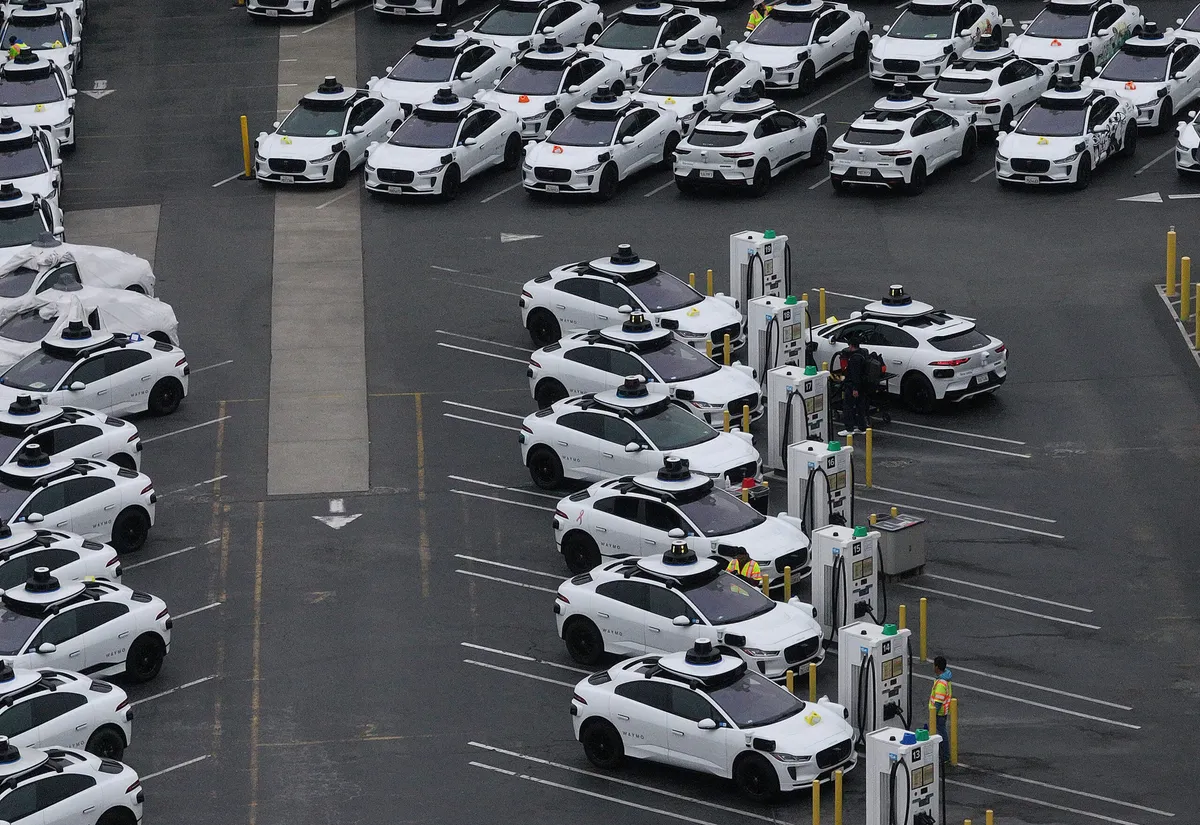
As the autonomous vehicle (AV) industry continues to grow, so do the concerns surrounding the safety and operational behavior of these self-driving machines. The Trump administration has recognized the urgency of addressing these issues and is working tirelessly to establish a new regulatory framework through the National Highway Traffic Safety Administration (NHTSA). With a series of high-profile safety incidents raising alarms, the proposed measures aim to not only define acceptable behavioral competencies for autonomous vehicles but also to ensure that manufacturers can meet clear, objective safety standards.
This initiative comes at a crucial time as major players in the self-driving industry, like Waymo, have faced scrutiny for their vehicles' inability to handle complex driving scenarios that human drivers navigate regularly. From driving through construction zones to failing to yield for school buses, these incidents underscore the necessity for a robust regulatory approach that can safeguard public safety while fostering innovation in the AV sector.
NHTSA's Vision: Behavioral Competencies for Autonomous Vehicles
At the heart of NHTSA's regulatory push is the concept of establishing clear "behavioral competencies" for autonomous vehicles. Jonathan Morrison, the NHTSA's top official, emphasized the need for manufacturers to understand whether their vehicles meet established safety requirements. This clarity will not only help ensure safety on the roads but will also provide manufacturers with guidelines to follow as they develop their technologies.
Public and Industry Engagement
The NHTSA plans to engage both the public and industry stakeholders in discussions aimed at identifying these competencies. This collaborative approach is essential as it allows for a comprehensive understanding of the challenges faced by AVs on the road. By opening the floor for comments and feedback, regulators hope to refine their approach to drafting these crucial safety standards.
Addressing Safety Incidents: The Immediate Need for Regulation
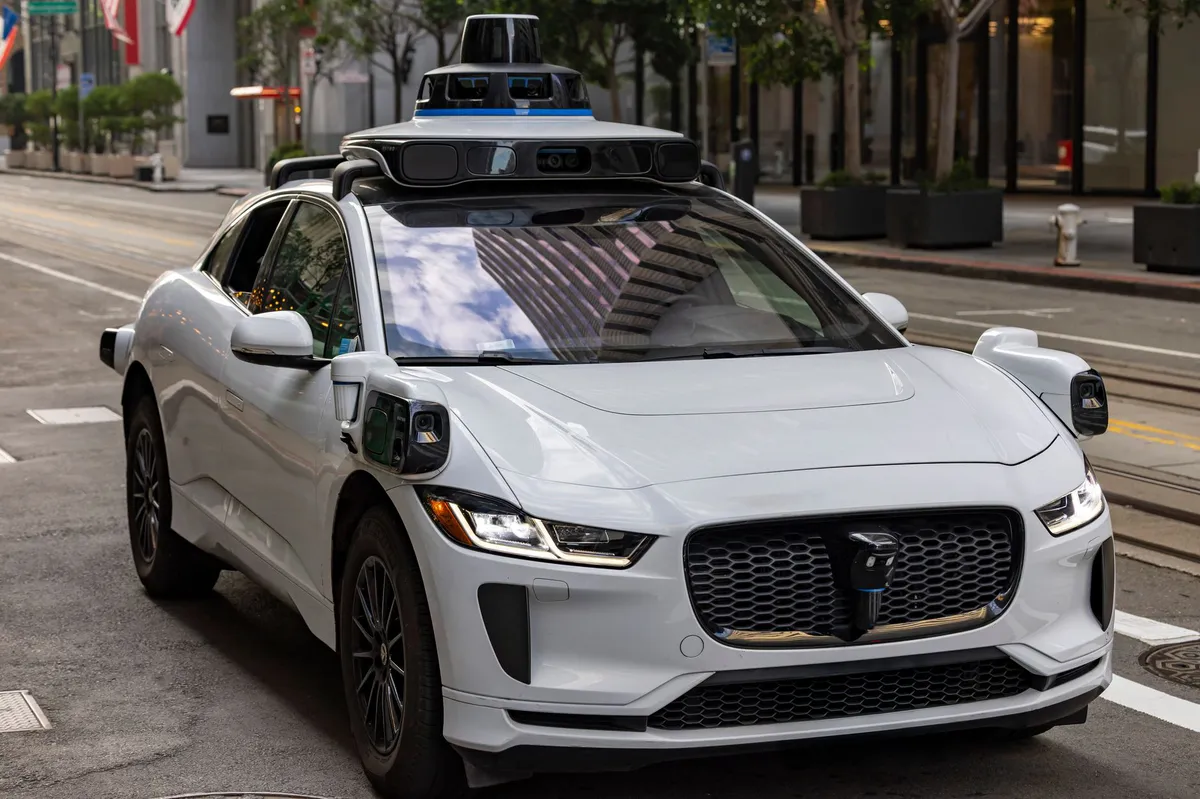
The recent surge in safety mishaps involving autonomous vehicles has made it abundantly clear that the current regulatory framework is inadequate. For instance, Waymo's recent recall of thousands of vehicles due to incidents involving construction zones has raised questions about the reliability of self-driving technology. Such occurrences not only jeopardize public safety but also erode public trust in autonomous systems.
Morrison highlighted the need for self-driving companies to address issues that have led to their vehicles interfering with emergency responders. As he noted, when first responders arrive at an emergency scene, they do not have the luxury of additional personnel to maneuver autonomous vehicles out of the way. This underscores the urgency of developing a regulatory framework that explicitly addresses how AVs should behave in critical situations.
Shifting the Regulatory Paradigm: From Human Drivers to Autonomous Systems
One of the most significant aspects of the NHTSA's new approach is the intention to remove outdated requirements that were designed with human drivers in mind. This includes the proposal to eliminate mandates for manual brake pedals in driverless vehicles, which would facilitate the rollout of innovative products like Tesla's Cybercab. Morrison stated, "When it comes to vehicles that are designed to never be operated by a human, we’re looking to establish performance requirements while eliminating design-restricting elements."
Redefining Safety Equipment
The regulatory overhaul may also involve re-evaluating the necessity of certain equipment traditionally associated with vehicles. For example, the question of whether autonomous vehicles need mirrors or steering wheels is being considered. Morrison pointed out that it may not make sense for vehicles designed to operate without human intervention to have features intended for human drivers. This shift in perspective is crucial for the advancement of AV technology.

Challenges Ahead: Balancing Innovation with Safety
While the NHTSA's initiative is a significant step towards ensuring the safety of autonomous vehicles, several challenges remain. The balance between fostering innovation and maintaining public safety is delicate. As the regulatory framework evolves, there is a risk that overly stringent regulations could stifle technological advancement, while too lenient standards could compromise safety.
To navigate these challenges, the NHTSA will need to establish a dynamic regulatory environment that can adapt to the rapid pace of technological change. Effective collaboration with industry leaders and constant monitoring of safety outcomes will be essential to ensure that regulations remain relevant and effective.

Key Takeaways
- The NHTSA is developing new safety standards to regulate autonomous vehicle behavior on roads.
- Public and industry engagement will play a crucial role in identifying behavioral competencies for AVs.
- Outdated requirements for human drivers are being reconsidered to facilitate the rollout of autonomous technologies.
- Balancing innovation with safety remains a key challenge for regulators.
Frequently Asked Questions
What are behavioral competencies for autonomous vehicles?
Behavioral competencies refer to the specific skills and performance standards that autonomous vehicles must meet to operate safely on the road. These competencies will help define how AVs should respond in various driving scenarios, ensuring they can navigate complex situations as effectively as human drivers.
How will the public be involved in the regulatory process?
The NHTSA plans to solicit feedback from both the public and industry stakeholders to gather insights and suggestions related to the development of safety standards. This engagement is vital to ensure that the final regulations reflect a comprehensive understanding of the challenges and concerns surrounding autonomous vehicle technology.
What outdated requirements are being reconsidered?
Outdated requirements that are being reconsidered include those related to manual controls, such as brake pedals and steering wheels. The NHTSA is evaluating whether these elements are necessary for vehicles designed to operate autonomously, with the goal of facilitating innovation while ensuring safety.
What challenges do regulators face in establishing new standards?
Regulators face the challenge of balancing the need for safety with the desire to foster innovation within the autonomous vehicle industry. Striking this balance requires a flexible regulatory approach that can adapt to technological advancements while ensuring that public safety remains the top priority.
Comments
Harnessing AI in Insurance: From Document Processing to Revenue Growth
The insurance industry is evolving its approach to AI, transitioning from basic document extraction to focusing on productivity and revenue growth. This article dives into the ongoing discussions among industry leaders about the future of AI in insurance and the potential for transformative gains.

Related articles







Popular in Business Insurance
- Surging War-Risk Insurance Rates in the Strait of Hormuz: What It Means for Shipping
- Ross & Yerger Insurance Faces Class Action Over Data Breach Allegations
- Sompo Expands U.S. Workers' Compensation Portfolio with Service Insurance Acquisition
- Legal Battle Unfolds Over $1 Million Truck Crash Insurance Payout
- Howden Group's Ambitious Journey Toward IPO and Expansion