Southern California Edison Allocates $750M for Eaton Fire Victims
Southern California Edison has announced a substantial $750 million allocation to support victims of the Eaton Fire, which devastated parts of Los Angeles in 2025. The Wildfire Recovery Compensation Program aims to provide meaningful compensation to thousands affected by the disaster.
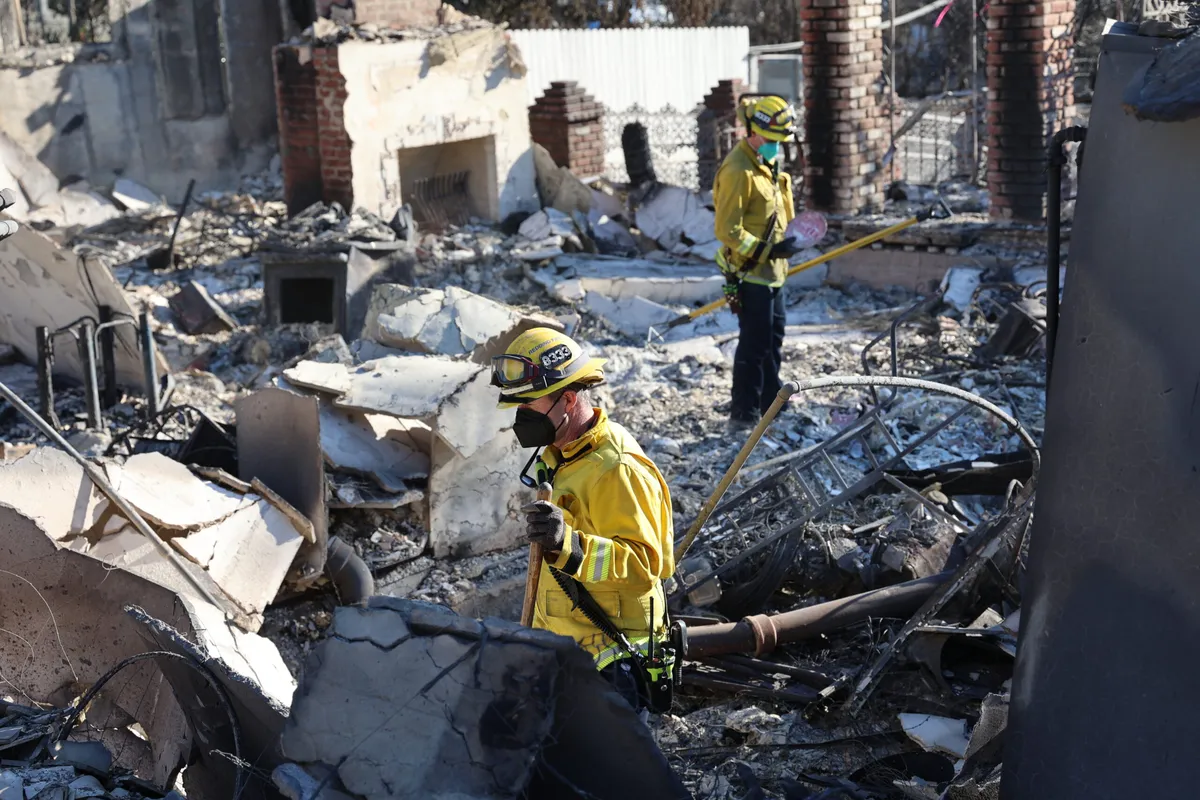
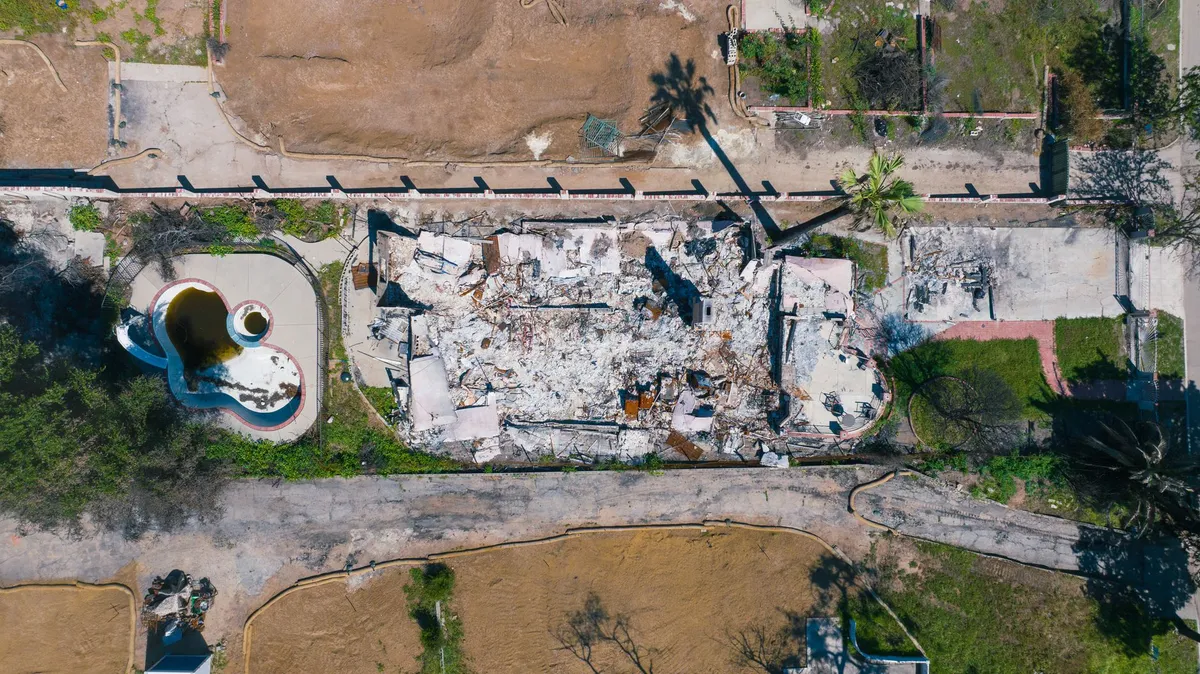
The aftermath of the devastating Eaton Fire in Los Angeles in 2025 continues to ripple through the community. Southern California Edison (SCE), the utility company linked to the fire, has stepped forward with an impressive commitment of over $750 million through its Wildfire Recovery Compensation Program. This initiative aims to provide compensation to individuals and entities affected by the wildfire, marking a significant move towards addressing the extensive damages caused by one of the largest wildfires in recent California history.
The Eaton Fire not only destroyed homes and properties but also left a lasting impact on the lives of thousands of residents. SCE’s proactive approach to compensating victims signals a shift in how utility companies respond to wildfire liabilities, especially in a state that has seen an uptick in such natural disasters, primarily attributed to climate change and increased urban development in fire-prone areas.
Understanding the Wildfire Recovery Compensation Program
Launched in response to the Eaton Fire, the Wildfire Recovery Compensation Program is designed to streamline the claims process for victims. SCE has reported that nearly 3,900 claims have been submitted, covering approximately 12,000 individuals, trusts, and legal entities. Notably, 31% of these claims were submitted by attorneys or authorized representatives, indicating the complexity and seriousness of the claims being made.
The program has already made significant progress, with over 2,100 offers extended to around 5,200 claimants, totaling more than $743 million. This includes payments to more than 2,100 individuals amounting to over $314 million. The compensation values are structured to align with settlement figures from previous wildfire lawsuits, ensuring that claimants receive fair compensation based on historical data.

Claims Process and Timeline
One of the standout features of the program is its efficiency. SCE has reported that offers are being made within an average of 35 days, a notably quick turnaround for such a complex claims process. This expedited response is crucial for victims who may be facing immediate financial hardships as a result of the fire.
The types of compensation vary widely, reflecting the diverse impacts of the fire on different claimants. For example, one claimant with multiple properties received a staggering $15.1 million, while a tenant whose property suffered non-burn damage received a more modest $15,000. Such variances highlight the necessity for a tailored approach to compensation, recognizing the individual circumstances of each claimant.
Public Perception and Impact
To gauge the effectiveness and reception of the compensation program, SCE conducted a survey involving 120 paid participants. The results were promising, with 82% of respondents reporting a favorable opinion of the program. This positive feedback suggests that the utility’s approach to compensating wildfire victims is resonating well with the community.
However, the perception of utility companies in California has long been fraught with skepticism, especially following previous incidents where utilities have been found liable for causing wildfires. The Eaton Fire is no exception, as SCE has faced mixed rulings in its attempts to spread blame for the disaster. While the current compensation program is a step in the right direction, it remains to be seen how such efforts will influence public trust in the company moving forward.
Legal and Regulatory Context
The legal landscape surrounding utility companies and wildfire liabilities in California is complex and evolving. Following several catastrophic wildfires linked to utility infrastructure, the state has enacted various regulations aimed at holding companies accountable while also ensuring their financial viability. The introduction of the Wildfire Recovery Compensation Program can be seen as a response to both regulatory pressures and public sentiment.
California’s Public Utilities Commission (CPUC) has been actively involved in shaping policies that govern how utilities manage wildfire risks. The state has also seen legislative efforts aimed at improving the resilience of infrastructure against wildfires, including enhanced safety measures and investment in technology to better detect and respond to fire risks. These developments suggest that while compensation programs like SCE’s are essential, they are part of a larger framework addressing wildfire prevention and response.
The Future of Wildfire Compensation in California
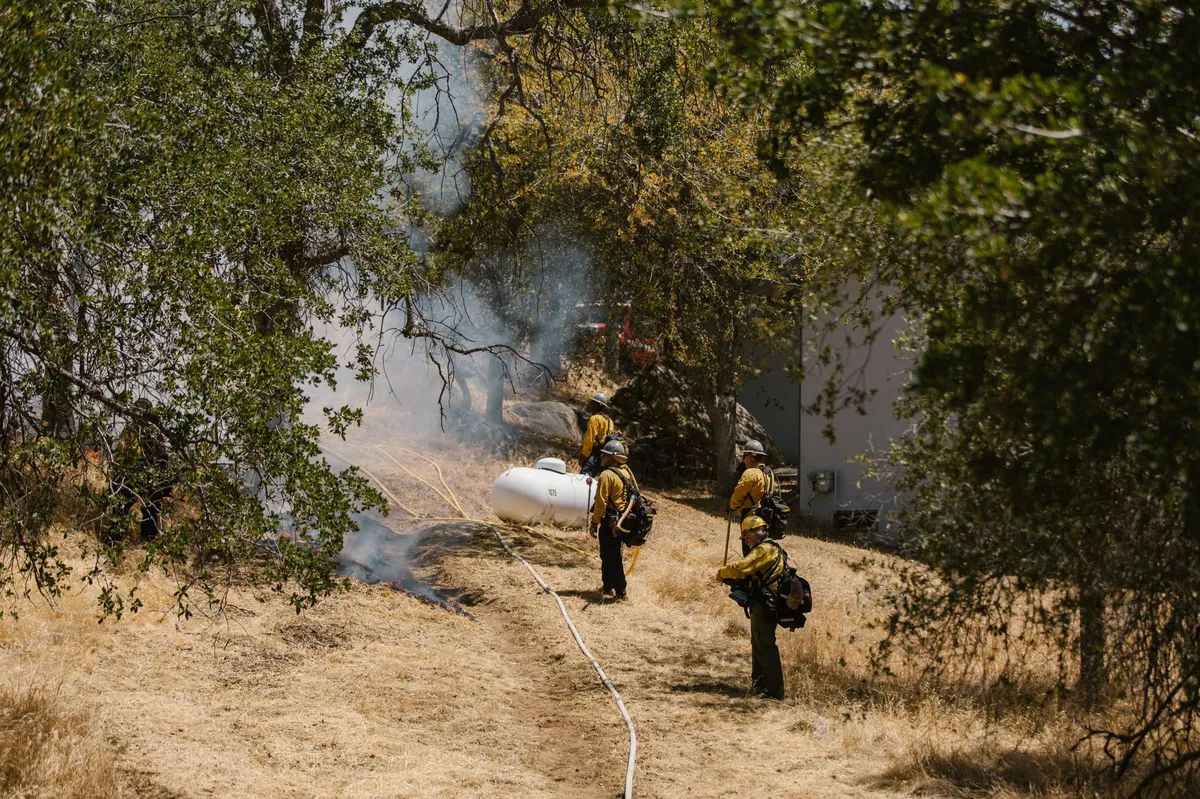
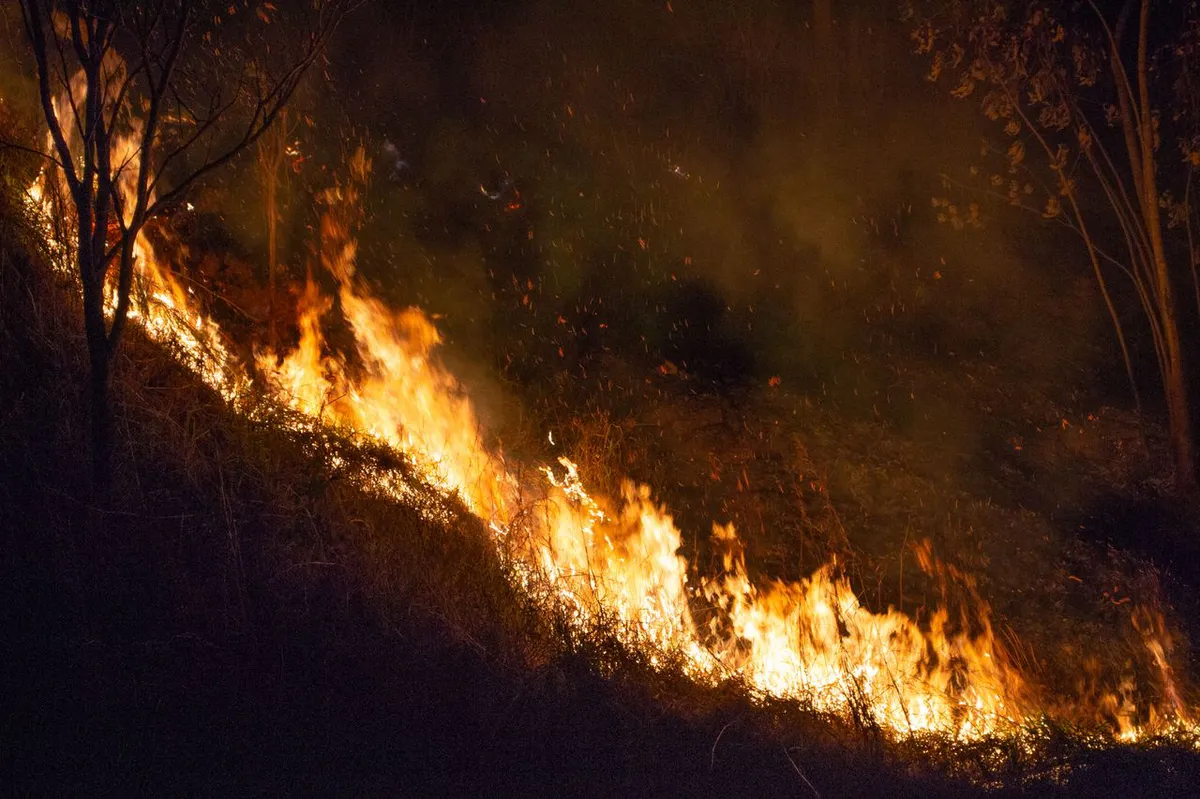
As climate change continues to exacerbate the frequency and intensity of wildfires, the need for robust compensation programs will only grow. SCE’s $750 million allocation for the Eaton Fire is a significant milestone, but it also raises questions about the sustainability of such funds in the face of increasing wildfire risks.
Utilities across California are likely to face mounting pressure to develop comprehensive strategies for wildfire risk management, which includes not only compensation programs but also preventative measures. This may involve investing in infrastructure upgrades, adopting advanced technology for fire detection, and implementing community-based programs to enhance fire preparedness.
Key Takeaways
- Southern California Edison has allocated over $750 million to aid victims of the Eaton Fire.
- The Wildfire Recovery Compensation Program has received approximately 3,900 claims from around 12,000 individuals.
- Compensation offers are being made within an average of 35 days.
- More than $314 million has already been paid out to claimants.
- Public perception of the program is largely positive, with 82% favorability reported in a recent survey.
Frequently Asked Questions
What types of claims can be submitted through the Wildfire Recovery Compensation Program?
The program allows a wide range of claims from affected individuals, trusts, and legal entities. This includes compensation for property damage, loss of income, and other financial impacts resulting from the Eaton Fire. Given the diverse nature of the claims, SCE has structured compensation amounts to align with similar claims from past wildfire lawsuits.
How long does it take to receive compensation?
The program is designed for efficiency, and SCE has reported that claims are typically processed, and offers are made within an average of 35 days. This quick response time is critical for victims who may be dealing with immediate financial needs following the wildfire.
What should I do if I believe I’m eligible for compensation?
If you believe you are eligible for compensation due to damages from the Eaton Fire, it is advisable to file a claim as soon as possible. You can submit your claim through the SCE website or by contacting their claims department directly. It may also be beneficial to consult with an attorney or claims representative to ensure that your claim is properly documented and submitted.
How does the Wildfire Recovery Compensation Program compare to other compensation initiatives?
The Wildfire Recovery Compensation Program is designed to provide quick and fair compensation based on previous wildfire settlements, making it a potentially more effective option than traditional litigation for many claimants. However, it is essential for claimants to evaluate their specific circumstances and consider consulting with legal counsel to determine the best path for compensation.
Comments
Rethinking Leadership in Insurance: Navigating Change and Cultivating Talent
At InsuranceFest 2026, industry leaders discussed the evolving role of leadership in insurance. Focusing on talent development, resilience, and navigating change, they provided insights that resonate across the insurance landscape.

Related articles






Popular in Business Insurance
- Surging War-Risk Insurance Rates in the Strait of Hormuz: What It Means for Shipping
- Ross & Yerger Insurance Faces Class Action Over Data Breach Allegations
- Sompo Expands U.S. Workers' Compensation Portfolio with Service Insurance Acquisition
- Legal Battle Unfolds Over $1 Million Truck Crash Insurance Payout
- Howden Group's Ambitious Journey Toward IPO and Expansion