Understanding Wildfire Liability and Its Impact on Utility Insurers
The evolving landscape of wildfire liability across the western U.S. is affecting the credit risk of utility insurers. This article explores the implications of varying regulatory frameworks and their potential impact on consumers and insurers alike.
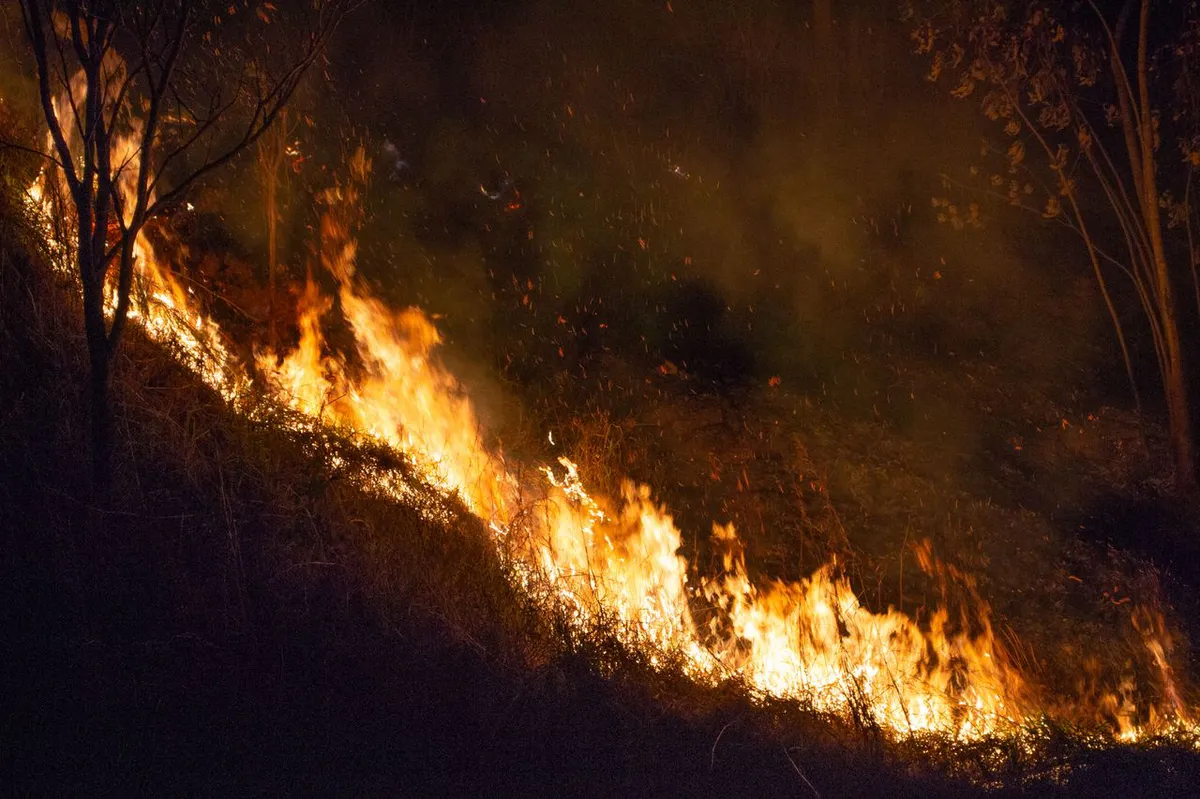
The devastating impact of wildfires on communities and the economy has prompted a critical reevaluation of liability frameworks governing utility companies across the western United States. Recent analyses from DBRS Morningstar highlight the significant disparities in regulatory approaches, revealing how these differences create varying levels of credit risk and insurance exposure for investor-owned utilities. As states grapple with the aftermath of catastrophic wildfires, such as the infamous 2018 Camp Fire in California, the implications for utility operators, insurers, and consumers are profound and far-reaching.
The Camp Fire, which resulted in over 18,000 destroyed structures and approximately $16.5 billion in losses, catalyzed a wave of legislative reform. It also underscored the urgent need for effective wildfire mitigation strategies and clear liability frameworks to protect both utilities and consumers. The aftermath of this disaster highlighted that without comprehensive regulations, utilities could face significant financial burdens, which in turn could impact insurance markets and ultimately lead to higher premiums for homeowners.
The Landscape of Wildfire Liability Frameworks
In the wake of the Camp Fire, California established a pioneering framework for wildfire liability, enshrined in key legislation such as Senate Bill 901 and Assembly Bill 1054. These laws mandated the creation of legally binding wildfire mitigation plans, established regulatory oversight through the Office of Energy Infrastructure Safety, and facilitated the establishment of a $21 billion wildfire fund to support utilities in mitigating their liabilities.
California's legal landscape allows for a doctrine known as inverse condemnation, which holds utilities liable for wildfire damages even if they adhered to all regulations. This unique liability structure has made California the most advanced jurisdiction in terms of wildfire liability protections. Other western states have since followed suit, implementing their own requirements for wildfire mitigation planning, though the approaches vary significantly and lack a cohesive national standard.
Diverse State Approaches to Mitigation and Liability
As states like Arizona, Idaho, Montana, Oregon, and Washington develop their frameworks, the differences in how liability is attributed to utilities can have substantial effects on both credit ratings and insurance costs. For instance, Arizona's recent legislation mandates biennial wildfire mitigation plan submissions and offers legal protections to utilities that comply with approved plans. This framework has been deemed modestly supportive of utility credit quality by DBRS Morningstar, as it reduces uncertainty surrounding future liabilities.
Idaho's Enhanced Protections
Idaho stands out with its Wildfire Standard of Care Act, which provides utilities a presumption of non-negligence if they reasonably implement an approved mitigation plan. Such protections serve to enhance the creditworthiness of these utilities by minimizing liability exposure and fostering a more predictable regulatory environment.
Other States' Frameworks
Conversely, Colorado's approach lacks the robust protections seen in Idaho, granting broad discretion to the Public Utility Commission but leaving utilities with more uncertainty regarding cost recovery. Washington requires utilities to submit mitigation plans but does not extend a statutory presumption of non-negligence, which could expose them to greater legal vulnerabilities. North Dakota adopts a rebuttable presumption of reasonable care, neither fully protecting utilities nor offering a safe harbor from lawsuits.
Insurance Industry Concerns and Consumer Implications
The insurance industry is increasingly concerned about the implications of weak liability frameworks on the broader market. The National Association of Mutual Insurance Companies has warned that reduced liability for utilities could shift wildfire costs onto insurers, leading to higher premiums and diminished coverage options for homeowners. As insurers face increased claims from wildfire-related damages, they may need to adjust their risk assessments, leading to higher operational costs passed down to consumers.
DBRS Morningstar notes that wildfire-related liabilities can significantly weaken utility credit metrics, generate legal claims, and strain cash flow. Utilities operating in high fire-threat areas with insufficient legislative protection may face further downgrades in their credit assessments, which could lead to increased borrowing costs and reduced investment in infrastructure improvements.

The Legal Landscape and Ongoing Litigation
The ambiguous nature of wildfire liability has extended its tentacles into the legal realm, creating an environment ripe for protracted litigation. For example, an Oregon appeals court recently overturned a $1 billion verdict against PacifiCorp, citing flawed jury instructions and returning causation questions to individual fire-by-fire proceedings. This ruling exemplifies how the lack of clear statutory standards can complicate claims processes for insurers, utilities, and claimants alike, resulting in delays and unpredictability that can further erode financial stability.
Future Outlook: Capital Spending and Regulatory Evolution
Looking ahead, utilities are likely to experience increased capital spending as they strive to comply with stringent wildfire mitigation plan mandates. In the long term, jurisdictions that establish clear liability frameworks and effective cost recovery mechanisms are anticipated to foster more stable cash flows and improved credit metrics for utilities. This, in turn, could lead to a more favorable environment for insurers, potentially stabilizing premium costs for consumers.
Key Takeaways
- California leads in wildfire liability regulation: With its unique inverse condemnation laws, California has set a precedent for wildfire liability frameworks.
- Diverse state approaches: States like Idaho and Arizona provide varying levels of protection and support for utilities, affecting their credit quality.
- Insurance costs may rise: Weak liability frameworks could lead to higher premiums and reduced coverage options for homeowners.
- Legal ambiguity persists: The absence of clear standards complicates liability attribution and prolongs litigation processes.
- Future capital investments are essential: Utilities must invest in wildfire mitigation to comply with evolving regulations and enhance their financial stability.
Frequently Asked Questions
How do state wildfire liability frameworks affect insurance premiums?
State wildfire liability frameworks directly influence the risk assessments made by insurers. In states with strong liability protections for utilities, insurers may find that the risks of large claims are mitigated, potentially leading to lower premiums for homeowners. Conversely, in states where utilities face greater liability without corresponding protections, insurers may raise premiums to compensate for the increased risk of significant claims resulting from wildfires.
What is inverse condemnation, and how does it affect utilities?
Inverse condemnation is a legal doctrine that allows a utility to be held liable for damages caused by its infrastructure, even if it has adhered to all applicable regulations. This can create significant financial exposure for utilities, particularly in states like California, where this doctrine is prevalent. As a result, utilities may face substantial legal claims that can strain their financial resources and impact their ability to secure affordable insurance coverage.
What legal protections exist for utilities in wildfire-prone areas?
Legal protections for utilities in wildfire-prone areas vary considerably by state. For example, Idaho offers a presumption of non-negligence for utilities that comply with approved wildfire mitigation plans, while Arizona mandates regular plan submissions and provides some liability protections. However, states like Colorado and Washington offer less robust frameworks, leaving utilities at risk of significant legal challenges and financial liabilities if they fail to effectively manage wildfire risks.
What is the long-term outlook for utilities facing wildfire risks?
The long-term outlook for utilities in wildfire-prone areas hinges on the establishment of clear liability frameworks and effective cost recovery mechanisms. Jurisdictions that can create supportive regulatory environments are likely to see improved credit metrics and financial stability for their utilities. This, in turn, could benefit consumers through more stable insurance premiums and enhanced infrastructure investments aimed at reducing wildfire risks.
Comments
Rethinking Leadership in Insurance: Navigating Change and Cultivating Talent
At InsuranceFest 2026, industry leaders discussed the evolving role of leadership in insurance. Focusing on talent development, resilience, and navigating change, they provided insights that resonate across the insurance landscape.

Related articles


Popular in Business Insurance
- Surging War-Risk Insurance Rates in the Strait of Hormuz: What It Means for Shipping
- Ross & Yerger Insurance Faces Class Action Over Data Breach Allegations
- Howden Group's Ambitious Journey Toward IPO and Expansion
- Sompo Expands U.S. Workers' Compensation Portfolio with Service Insurance Acquisition
- Legal Battle Unfolds Over $1 Million Truck Crash Insurance Payout