Navigating the Nuclear Verdict Landscape: Strategies for Insurers and Defendants
The insurance industry's outdated strategies are leading to escalating nuclear verdicts. Experts discuss the need for a strategic pivot to combat this growing threat.

The insurance industry is at a crucial crossroads as it faces an alarming trend in litigated claims: the emergence of what are termed 'nuclear verdicts'—excessive jury awards that can devastate businesses and their insurers. During a recent panel at InsuranceFest 2026, titled 'Claims & Courtroom Chaos: Surviving Nuclear Verdicts®', experts from various sectors of the insurance and legal industries came together to discuss this escalating crisis. The consensus was clear: the legal landscape is changing rapidly, and insurers and defense teams must adapt or risk being outmaneuvered by sophisticated plaintiffs' attorneys.
As the panelists highlighted, the traditional strategies that once guided defense teams are now woefully inadequate in the face of well-funded, data-driven plaintiffs' firms that leverage advanced tactics including litigation funding and artificial intelligence. The result is a substantial increase in both the frequency and size of nuclear verdicts—verdicts that not only exceed typical settlement amounts but also often defy all logical boundaries of proportionality. This article explores the implications of these trends, the players involved, and actionable steps insurers and defense teams can take to safeguard their interests.

The Changing Landscape of Nuclear Verdicts
Understanding the evolution and implications of nuclear verdicts begins with recognizing how the definition has shifted. Traditionally, nuclear verdicts were thought of as any award surpassing a particular monetary threshold. However, as panelist Ashley Fetyko, a partner at Tyson & Mendes, pointed out, a more relevant measure is disproportionality—awards that are significantly larger than the underlying facts or medical expenses would suggest.
The Emotional Appeal in Juror Decision-Making
One significant factor driving the current trend is the emotional manipulation of juries. Caryn Siebert, vice president of carrier engagement at Gallagher Bassett, explained how plaintiffs' attorneys craft narratives designed to elicit anger and drive home a point of corporate negligence. They frame defendants not merely as parties to a contract but as indifferent corporate actors prioritizing profit over safety, a narrative that resonates deeply with jurors. This emotional storytelling is a sharp departure from the more rational, fact-based approaches that defense teams often rely on.
Understanding the Financial Impact of Nuclear Verdicts
The rise in nuclear verdicts is not merely an abstract legal concern; it has tangible financial consequences for insurers and their clients. Adil Husain, founder of The Intelligence Council, noted that casualty renewals have surged by 20% to 30%, even as rates in property insurance softening. Commercial auto liability, in particular, has suffered 14 consecutive years of underwriting losses, despite ongoing rate increases over 58 quarters. This alarming trend indicates that insurers are struggling to keep pace with the severity of claims, which are climbing at a rate that outstrips their ability to adjust premiums.
Disparity in Casualty Pricing
Brandon Schuh, senior vice president and head of specialty insurance at Christensen Group, pointed out a growing divide in casualty pricing. Businesses with clean loss histories may continue to secure favorable terms, while those with claims activity are facing steep increases. This disparity is exacerbated by litigation funding, which enables plaintiffs' firms to pursue cases that might have been considered too risky or financially unfeasible in the past. The advent of external capital has empowered these firms to hire experts and sustain lengthy litigation, which in turn raises the stakes for defendants.
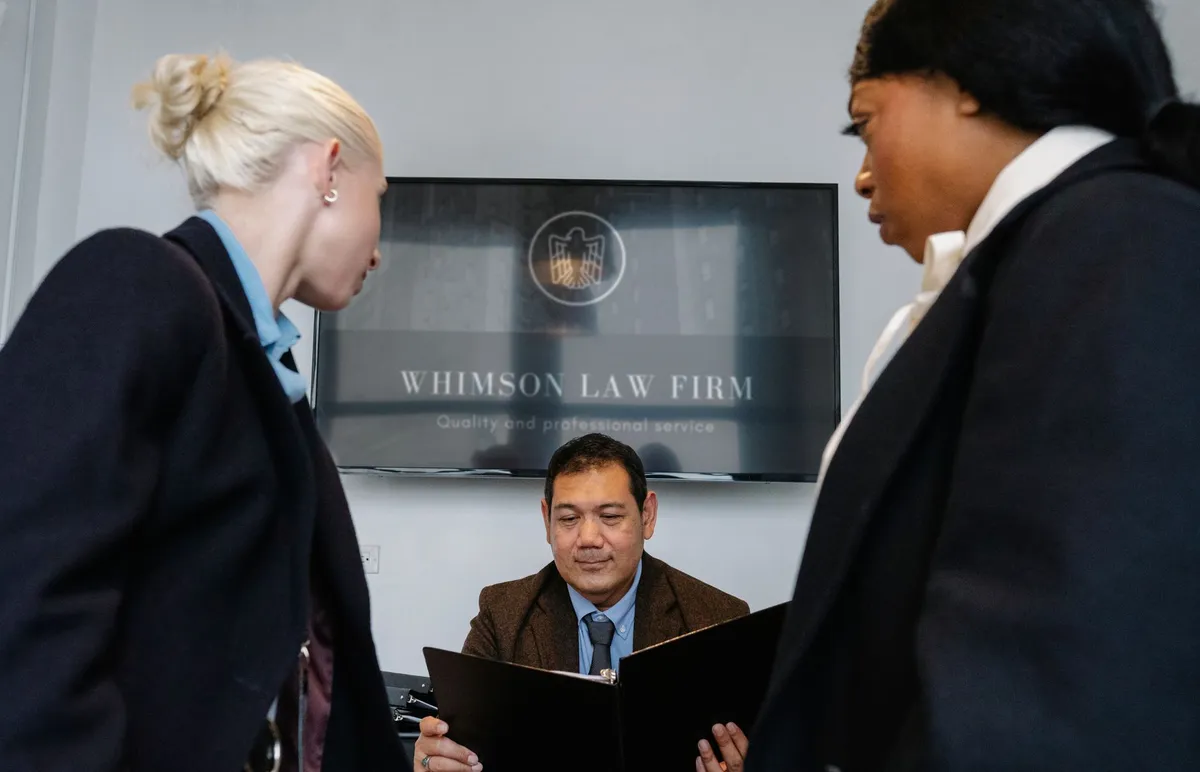
Strategies for Defense Teams in the Face of Nuclear Verdicts
Given the changing landscape, defense teams are urged to adopt proactive strategies that can mitigate the risk of a nuclear verdict. The panel at InsuranceFest laid out several recommendations that can help organizations navigate this challenging environment.
- Early Intervention: Defense teams should engage early in the claims process, especially as soon as a notice of loss is filed. This is critical to addressing potential pitfalls like inconsistent discovery responses or poor witness preparation, which can reinforce negative perceptions of the defendant.
- Introduce Your Own Damages Number: Establishing a damages number early prevents plaintiffs' attorneys from anchoring jurors with their figures. This proactive measure can help set a more balanced narrative.
- Strengthen Coordination: Effective defense requires strong collaboration between brokers, carriers, third-party administrators, and legal teams. This coordinated approach enables better strategic planning and response to litigation.
- Utilize Specialist Counsel: Engaging specialists in relevant fields can enhance the defense strategy, particularly in complex cases. This approach is particularly important in industries like trucking, where specific knowledge can prove invaluable.
- Evaluate Policy Alignment: Insurers should ensure alignment with their clients to develop a clear strategy. If alignment is lacking, it may be worth considering alternative insurance markets.

The Role of Brokers in Mitigating Nuclear Verdict Risks
Brokers play a crucial role in helping clients navigate the complexities of potential nuclear verdicts. As the 'quarterbacks' of the insurance process, brokers need to ensure that all parties—from clients to carriers—are aligned on strategy. This means not only facilitating communication but also educating clients about the risks they face and the importance of proactive measures.
Strategic Planning for High-Deductible Clients
For clients with high deductibles or self-insured retentions exceeding $50,000 or $100,000, a more strategic approach is essential. This includes introducing clients to specialized counsel and ensuring they understand the potential implications of their claims. By taking these steps, brokers can help prevent minor claims from escalating into major courtroom crises.
Key Takeaways
- The insurance industry must revamp its claims and defense strategies to remain competitive against data-driven plaintiffs' firms.
- Emotional appeals used by plaintiffs' attorneys are significantly influencing jury decisions.
- Casualty pricing is increasingly bifurcated, with clean risks enjoying lower rates while those with claims face steep increases.
- Brokers are essential in coordinating defense strategies and ensuring alignment among all parties involved in a claim.
- Proactive measures, including early intervention and the establishment of damage figures, can mitigate the risks associated with nuclear verdicts.
Frequently Asked Questions
What constitutes a nuclear verdict?
A nuclear verdict typically refers to a jury award that is disproportionately large compared to the damages proven in court. While traditionally defined as exceeding a specific dollar amount, experts now emphasize disproportionality as a more relevant measure. For example, a $3 million verdict may be considered nuclear if the actual medical costs were only $2,000, reflecting an emotional decision by the jury rather than a rational assessment of damages.
How can insurers prepare for the risk of nuclear verdicts?
Insurers can prepare by adopting a proactive approach to claims management, including early intervention, thorough preparation, and the use of data analytics to inform decision-making. This involves engaging specialist counsel, establishing a clear damages figure early, and ensuring alignment among all stakeholders involved in a claim. By doing so, they can mitigate the risk of excessive jury awards.
What role do emotion and narrative play in jury decisions?
Emotion and narrative are crucial in jury decisions, particularly in cases where plaintiffs' attorneys frame defendants as negligent or uncaring entities. This emotional manipulation can significantly sway jurors, leading to higher awards than might be expected based on the facts of the case. Defense teams must therefore focus on countering these narratives effectively to protect their clients' interests.
How can brokers assist in managing nuclear verdict risks?
Brokers play a vital role in coordinating the defense strategy for clients facing potential nuclear verdicts. By facilitating communication among the insurer, legal counsel, and other stakeholders, brokers can ensure that everyone is aligned and prepared for the challenges ahead. They also educate clients about the risks associated with large claims and help them adopt proactive measures to mitigate these risks.
Comments
Rethinking Leadership in Insurance: Navigating Change and Cultivating Talent
At InsuranceFest 2026, industry leaders discussed the evolving role of leadership in insurance. Focusing on talent development, resilience, and navigating change, they provided insights that resonate across the insurance landscape.

Related articles





Popular in Business Insurance
- Surging War-Risk Insurance Rates in the Strait of Hormuz: What It Means for Shipping
- Ross & Yerger Insurance Faces Class Action Over Data Breach Allegations
- Sompo Expands U.S. Workers' Compensation Portfolio with Service Insurance Acquisition
- Legal Battle Unfolds Over $1 Million Truck Crash Insurance Payout
- Howden Group's Ambitious Journey Toward IPO and Expansion