Driscoll's Faces Class-Action Lawsuit Over Greenwashing Claims
Driscoll's, the largest berry producer, is being sued for allegedly greenwashing and using harmful pesticides. The class-action lawsuit raises concerns about food safety and environmental impacts.

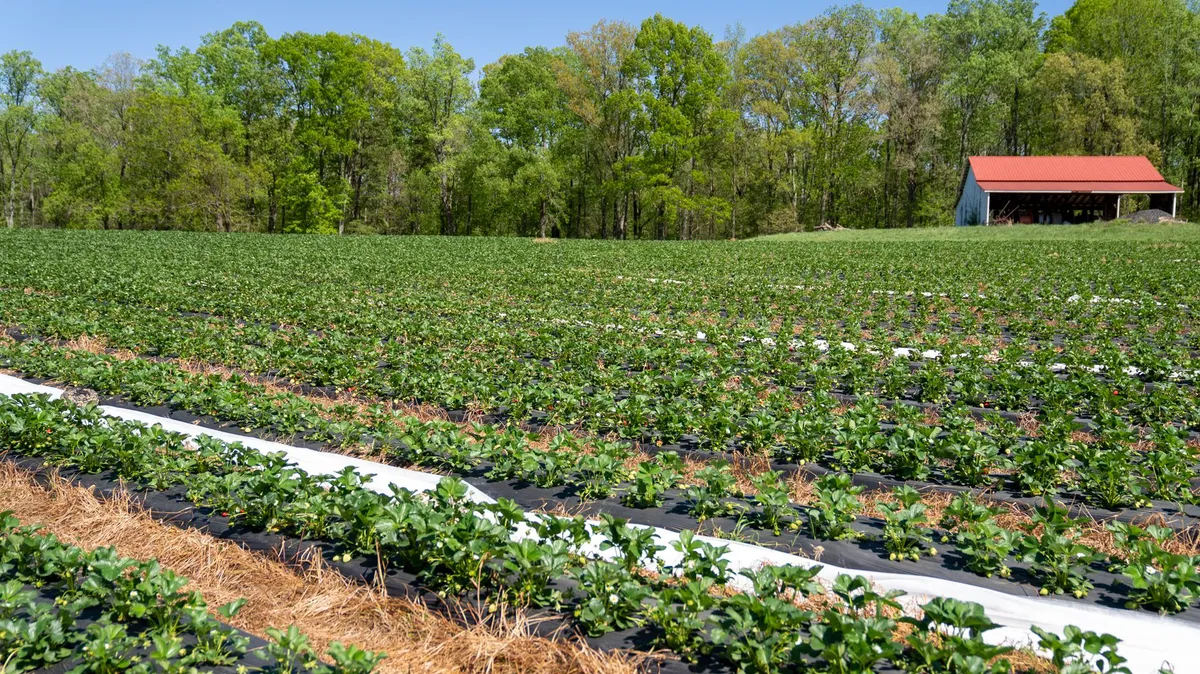
In a significant legal battle that highlights the growing scrutiny of agricultural practices, Driscoll’s Inc., the world’s largest berry producer, finds itself embroiled in a class-action lawsuit filed in California. The lawsuit accuses the company of engaging in greenwashing—misleading consumers about the environmental impacts of its farming practices—while allegedly using pesticides containing hazardous substances known as 'forever chemicals'. These allegations raise critical questions about food safety, corporate transparency, and consumer rights.
The plaintiffs, who have taken a stand against Driscoll’s, claim that the company’s marketing campaigns portray a misleading image of environmental responsibility. They argue that Driscoll's has failed to disclose the presence of pesticide residues, specifically per- and polyfluoroalkyl substances (PFAS), which have been found in their strawberries. As consumers become increasingly aware of the environmental impacts of agricultural production, this lawsuit shines a spotlight on the importance of corporate accountability in the food industry.
Understanding Greenwashing and Its Implications
Greenwashing refers to the practice of companies misleading consumers about the environmental benefits of their products or practices. It is a deceptive marketing tactic that can undermine genuine sustainability efforts and mislead consumers who are trying to make environmentally conscious choices.
The Rise of Consumer Consciousness
In recent years, consumer awareness regarding environmental issues has surged, prompting individuals to prioritize sustainability in their purchasing decisions. A 2023 survey by Nielsen indicated that 73% of global consumers are willing to change their consumption habits to reduce their environmental impact. With this shift, companies like Driscoll's, which position themselves as environmentally friendly, risk facing backlash if their practices do not align with consumer expectations.
The Legal Framework of the Lawsuit
The class-action lawsuit against Driscoll’s alleges violations of several laws, including false advertising, unfair competition, and California's Consumer Legal Remedies Act. These legal frameworks are designed to protect consumers from misleading business practices and ensure transparency in marketing. The plaintiffs argue that Driscoll's representations regarding its sustainability practices are materially misleading, affecting purchasing decisions and contributing to the premium reputation of the Driscoll's brand.

The Role of PFAS in Agriculture
Per- and polyfluoroalkyl substances (PFAS) are a group of man-made chemicals that have been widely used in various industries since the 1940s. They are known as 'forever chemicals' because they do not easily break down in the environment, leading to accumulation in soil, water, and living organisms, including humans. Studies have linked PFAS exposure to various health issues, including liver damage, immune system effects, and increased cancer risks.
Environmental and Health Concerns
The presence of PFAS in agricultural products raises significant concerns about food safety and environmental health. According to the lawsuit, independent testing revealed residues of a dozen different pesticides, including eight identified as PFAS, on Driscoll's strawberries. This revelation not only poses a direct threat to consumer health but also has broader implications for environmental stewardship. As consumers become more informed about the risks associated with chemical contaminants, the demand for transparency in agricultural practices is likely to increase.
Driscoll's Response and Corporate Responsibility
In response to the allegations, Driscoll's has firmly rejected the claims, asserting that they are without merit. A company spokesperson emphasized the importance of food safety, quality, and integrity in their operations. Driscoll's has stated that they maintain robust food safety and compliance programs, adhering to all applicable regulatory requirements.
Commitment to Transparency
Driscoll's further asserts that their reputation is built on trust and transparency, highlighting their commitment to responsible communication about their products and growing practices. They maintain that their berries are safe to eat and meet all regulatory standards. However, the lawsuit raises the question of whether these assurances are sufficient in an era where consumers are demanding more than regulatory compliance; they are seeking ethical practices and genuine sustainability.
Market Impact and Future Considerations
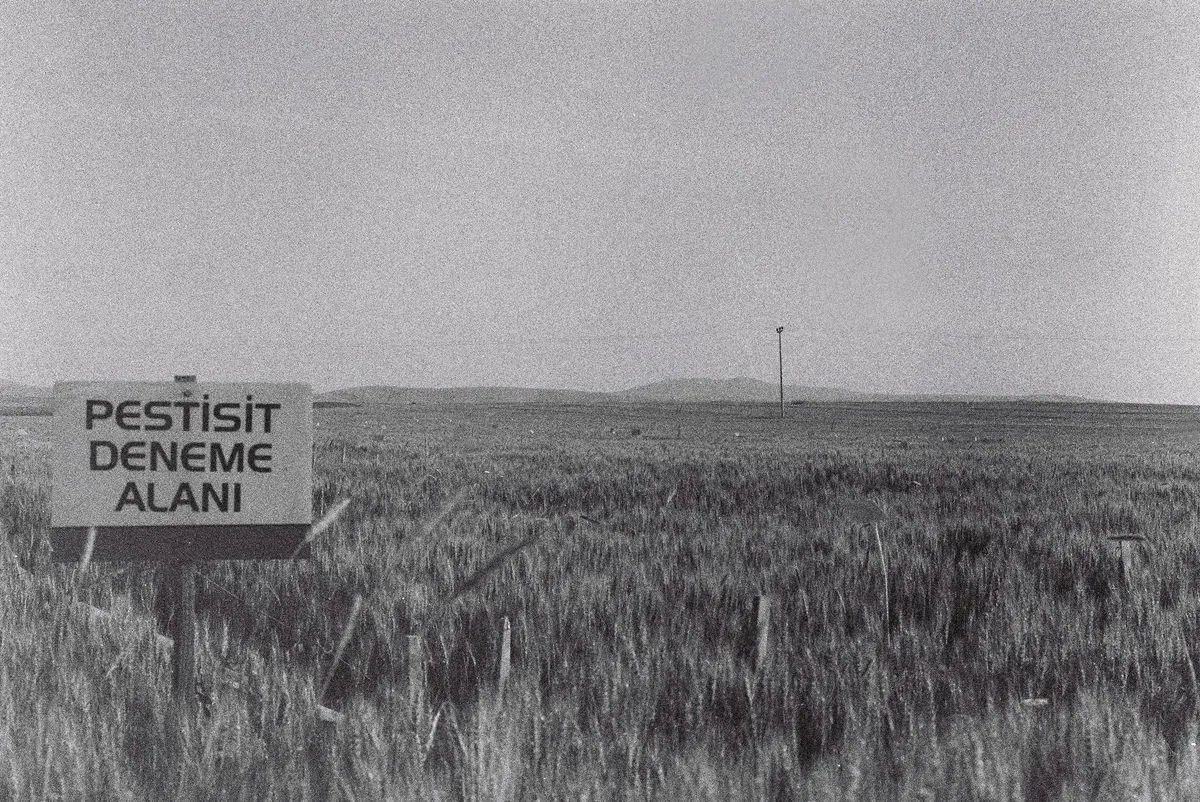
The outcome of this lawsuit could have significant implications for Driscoll's and the broader agricultural industry. As consumers increasingly prioritize sustainability, companies that fail to align their practices with consumer values may face reputational damage and financial repercussions. Furthermore, this case could set a precedent for how companies communicate their environmental practices and the legal ramifications of misleading marketing.
Potential Changes in Consumer Behavior
The heightened awareness around greenwashing and chemical contamination may lead consumers to shift their purchasing habits. They may seek out brands that can demonstrate genuine sustainability efforts and transparency in their practices. This trend could encourage companies to adopt more responsible practices and prioritize environmental and health considerations in their operations. As the lawsuit unfolds, it will be crucial for Driscoll's and similar companies to navigate the evolving landscape of consumer expectations and regulatory scrutiny.
Key Takeaways
- Driscoll's Inc. faces a class-action lawsuit for alleged greenwashing and failure to disclose PFAS in their strawberries.
- PFAS are harmful chemicals that pose risks to human health and the environment.
- The lawsuit underscores the need for corporate transparency in agricultural practices to meet consumer expectations.
- As consumer awareness increases, the demand for genuine sustainability efforts may reshape the agricultural market.
Frequently Asked Questions
What are 'forever chemicals' and why are they concerning?
'Forever chemicals' refer to a group of synthetic substances, particularly PFAS, that are resistant to breaking down in the environment. They are concerning due to their persistence in the ecosystem and the potential health risks associated with exposure, including cancer and immune system issues. Their accumulation in food sources raises alarm bells for consumers who prioritize health and safety.
What does the lawsuit claim regarding Driscoll's marketing practices?
The lawsuit claims that Driscoll's engaged in greenwashing by presenting a misleading image of environmental responsibility while failing to disclose the use of harmful pesticides. The plaintiffs argue that this misrepresentation violates consumer protection laws and influences purchasing decisions, ultimately impacting the value of the Driscoll's brand.
How might this lawsuit affect consumer behavior in the future?
The lawsuit's outcome may lead consumers to become more discerning when choosing brands, prioritizing those that demonstrate genuine sustainability and transparency. As awareness around greenwashing grows, consumers may opt to support companies that align with their values, potentially shifting the agricultural landscape towards more responsible practices.
What is Driscoll's response to the allegations?
Driscoll's has rejected the allegations, asserting that they are without merit. The company emphasizes its commitment to food safety, quality, and integrity, stating that its products meet all regulatory standards. Nevertheless, the lawsuit challenges whether these statements are sufficient in the face of increasing consumer demands for ethical and sustainable practices.
Comments
Lloyd's Investigation Reveals Compliance Breaches by Former CEO John Neal
An investigation by the Council of Lloyd's has revealed that former CEO John Neal breached compliance rules, raising significant concerns about governance and accountability within the organization. The findings call for a re-evaluation of leadership standards and whistleblower protections at Lloyd's.
Related articles





Popular in Business Insurance
- Surging War-Risk Insurance Rates in the Strait of Hormuz: What It Means for Shipping
- Ross & Yerger Insurance Faces Class Action Over Data Breach Allegations
- Sompo Expands U.S. Workers' Compensation Portfolio with Service Insurance Acquisition
- Legal Battle Unfolds Over $1 Million Truck Crash Insurance Payout
- Howden Group's Ambitious Journey Toward IPO and Expansion