Taco Bell's $1 Enchirito Promotion: A Response to Recent Crisis
In an effort to win back customers after a parasite outbreak linked to its lettuce, Taco Bell introduces a $1 Enchirito. This strategic move highlights their commitment to transparency and customer trust.
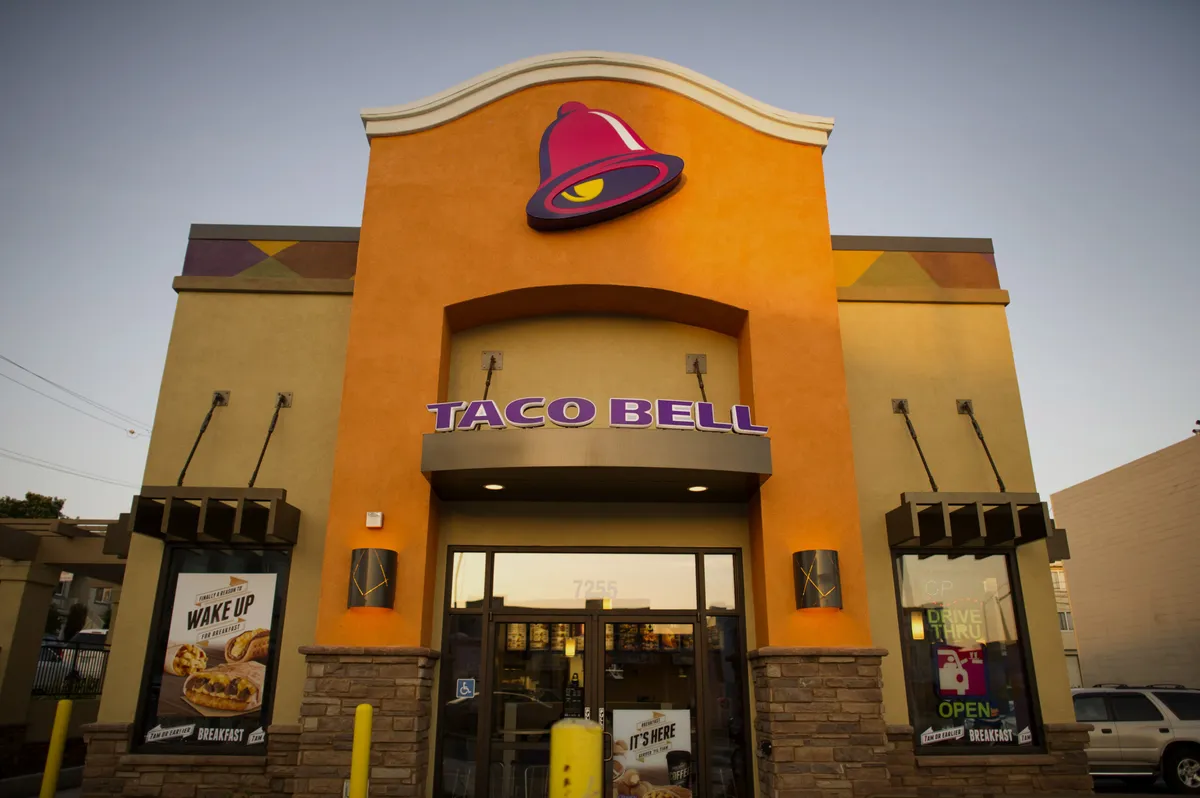
The fast-food industry is no stranger to crises, especially when food safety comes into question. Recently, Taco Bell has found itself in the eye of a storm following a parasite outbreak linked to shredded lettuce supplied by Taylor Farms. In a bid to regain the trust of its customers and recover lost foot traffic, the chain has launched a promotional campaign featuring its beloved Enchirito—now offered at the low price of just $1. This move is not only a financial strategy but also a testament to the company's commitment to customer loyalty and safety.
As reports surfaced detailing connections between cyclospora infections and Taco Bell's lettuce, consumer confidence took a significant hit. A recent poll by Morning Consult revealed that the percentage of diners who trust Taco Bell “not much” or “not at all” has grown alarmingly. With consumer safety at the forefront of fast-food business, Taco Bell’s response comes at a critical moment, as the chain works to reassure customers that their health and satisfaction are top priorities.
The Impact of the Cyclospora Outbreak
Cyclospora cayetanensis is a microscopic parasite that can cause gastrointestinal illness marked by symptoms such as diarrhea, nausea, and fatigue. The recent outbreak has resulted in over 6,000 reported cases in Michigan alone, leading health officials to trace the source back to contaminated lettuce, specifically from Taylor Farms. This outbreak has raised serious questions about food safety protocols and supplier reliability in the fast-food industry.
In the wake of this health scare, Taco Bell acted swiftly to remove the affected lettuce from its restaurants, with many locations taking proactive measures even before the public health authorities confirmed the connection. However, the damage to the brand's reputation had already begun, manifesting in declining customer visits and a notable drop in Yum! Brands' stock prices—down more than 9% since the news broke on July 10.

Taco Bell’s Recovery Strategy
In an effort to bounce back from this crisis, Taco Bell has implemented a multifaceted recovery strategy. The centerpiece of this initiative is the limited-time offer on the Enchirito, a dish that features a stuffed tortilla covered in cheese, sans lettuce. Originally priced at $4.29, the $1 Enchirito is designed not only to entice former customers back into restaurants but also to show appreciation for their loyalty during challenging times.
Additionally, Taco Bell is leveraging social media to engage with its audience, highlighting positive customer comments in promotional materials. Phrases like “You’re my ride or die” and “We ain't mad at you” are being used to foster a sense of community and connection with diners. The company’s CEO, Sean Tresvant, has taken to LinkedIn to communicate directly with customers, emphasizing the importance of transparency and trust in rebuilding the brand's image. “We aren’t entitled to your loyalty,” Tresvant stated, “We earn it one meal at a time.”
Importance of Transparency and Communication
In the wake of food safety incidents, transparency is paramount. Customers today are more informed than ever and demand accountability from the brands they support. Taco Bell's direct communication strategy is a step in the right direction, as it acknowledges the seriousness of the situation while also promising to keep customers informed about safety measures and updates.
Moreover, the notion of rebuilding trust extends beyond just immediate promotions. Taco Bell’s future initiatives will likely focus on improving supplier relations and enhancing food safety protocols to prevent similar incidents. The company must ensure that its suppliers meet stringent safety standards, which will require ongoing monitoring and evaluation.
Lessons for the Fast-Food Industry
The Taco Bell incident is a cautionary tale for the fast-food industry at large. It underscores the critical importance of maintaining robust food safety practices and having a crisis management plan in place. The financial fallout from the outbreak serves as a reminder that consumer trust is fragile and can be easily shattered by a single incident.
As the landscape of food safety continues to evolve, restaurants must prioritize transparency and rapid response to health concerns. This includes thorough training for employees, rigorous supplier vetting, and proactive communication with customers. The financial implications of neglecting these areas can be severe, affecting not only customer loyalty but also stock prices and overall brand reputation.
- Proactive Food Safety Measures: Implementing strict health and safety protocols can prevent outbreaks.
- Supplier Relationships: Establishing reliable partnerships with suppliers ensures quality control.
- Customer Engagement: Maintaining open lines of communication fosters loyalty and trust.
- Crisis Management Plans: Having a strategy in place allows for quick responses to incidents.
Key Takeaways
- Taco Bell has introduced a $1 lettuce-free Enchirito to regain customer trust after a parasite outbreak.
- Over 6,000 cases of cyclosporiasis have been reported in Michigan, linked to contaminated lettuce from Taylor Farms.
- Effective communication and transparency are key components of Taco Bell's recovery strategy.
- Food safety practices and supplier reliability are critical to maintaining consumer trust in the fast-food industry.
Frequently Asked Questions
What is cyclospora, and why is it a concern for food safety?
Cyclospora is a parasite that can cause gastrointestinal illness in humans, leading to symptoms such as severe diarrhea, nausea, and fatigue. It is often associated with contaminated fresh produce, particularly leafy greens. The concern arises from the potential for outbreaks that can affect numerous consumers and lead to significant public health issues. Restaurants and food suppliers must ensure that their products are free from contamination to protect public health.
How is Taco Bell addressing the lettuce contamination issue?
Taco Bell has responded to the lettuce contamination by removing affected products from its locations and launching a promotional campaign aimed at regaining customer trust. The company is offering a $1 Enchirito as part of this effort, while also promising to enhance transparency and communication regarding food safety practices moving forward. Taco Bell's CEO has also reached out to customers directly to emphasize their commitment to earning loyalty through safe and quality dining experiences.
What can consumers do to protect themselves from foodborne illnesses?
Consumers can take several precautions to protect themselves from foodborne illnesses, including washing fruits and vegetables thoroughly before consumption, being aware of recalls, and choosing restaurants with strong food safety reputations. Additionally, staying informed about health alerts and outbreaks can help consumers make safer dining choices. It's crucial for diners to be vigilant and educated about the food they consume, especially in light of recent outbreaks.
Will Taco Bell’s promotional offer help rebuild customer trust?
While the $1 Enchirito promotion is an attractive offer likely to draw customers back into Taco Bell locations, rebuilding trust is a more complex process that involves consistent delivery of safe food and transparent communication. If Taco Bell can maintain open lines of communication, improve food safety measures, and consistently deliver quality meals, the promotional offer can serve as a starting point for restoring consumer confidence over time.
Comments
Berkley Insurance Sues Volunteers of America Over $2M in Unpaid Work
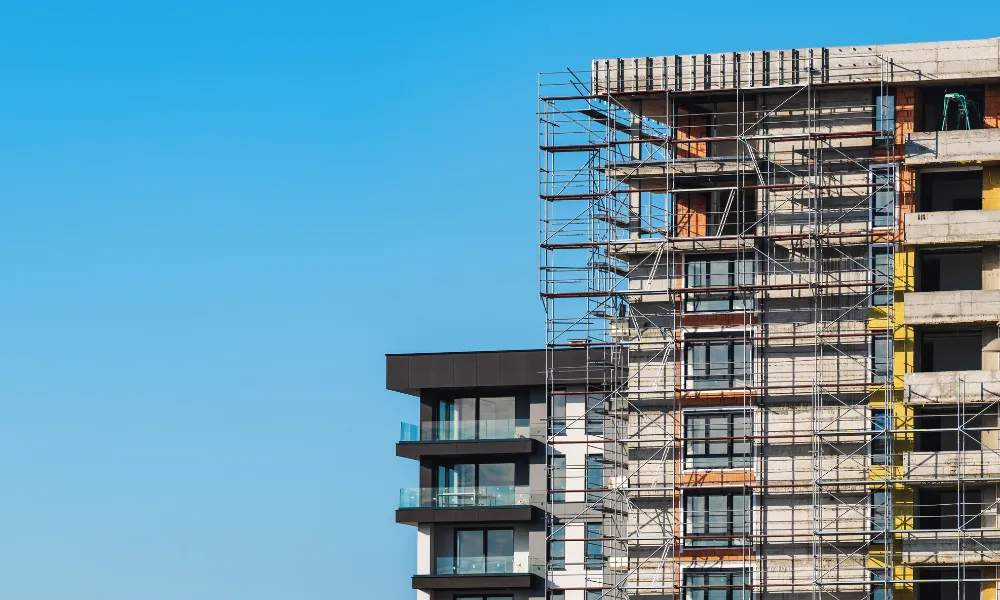
In a significant legal battle, Berkley Insurance is suing Volunteers of America for over $2 million regarding a stalled renovation project. The case raises important questions about performance bonds and contractor responsibilities in large construction projects.
Related articles





Popular in Business Insurance
- Surging War-Risk Insurance Rates in the Strait of Hormuz: What It Means for Shipping
- Ross & Yerger Insurance Faces Class Action Over Data Breach Allegations
- Sompo Expands U.S. Workers' Compensation Portfolio with Service Insurance Acquisition
- Legal Battle Unfolds Over $1 Million Truck Crash Insurance Payout
- Howden Group's Ambitious Journey Toward IPO and Expansion