Insurers Brace for Hurricane Risks Amid Moderate Catastrophe Losses
As insurers navigate a landscape shaped by moderate catastrophe losses and ample reinsurance capital, all eyes are on the looming hurricane season that could dramatically alter market conditions. Aon's latest report reveals key insights into the current state of the insurance industry and the potential risks ahead.

The insurance landscape is in a state of cautious optimism, according to Aon’s latest catastrophe report. With global economic losses from natural disasters estimated at a significant US$111 billion in the first half of 2026, insurers have found a silver lining: a moderate loss picture that is well below the 21st-century average. However, as hurricane season approaches, industry experts warn that a single catastrophic event could swiftly shift this favorable climate into one of uncertainty and risk.
In a recent virtual webinar, Michal Lorinc, head of Catastrophe Insight at Aon, highlighted that insured losses totaled around $47 billion during this period, consistent with the historical average of the past 26 years. "The first half of 2026 was quite eventful, but the loss picture we've seen over the past six months was quite moderate," Lorinc stated. This statement reflects a broader sentiment within the insurance community as they prepare for potential challenges ahead while navigating a relatively stable loss environment.
Understanding Catastrophe Losses
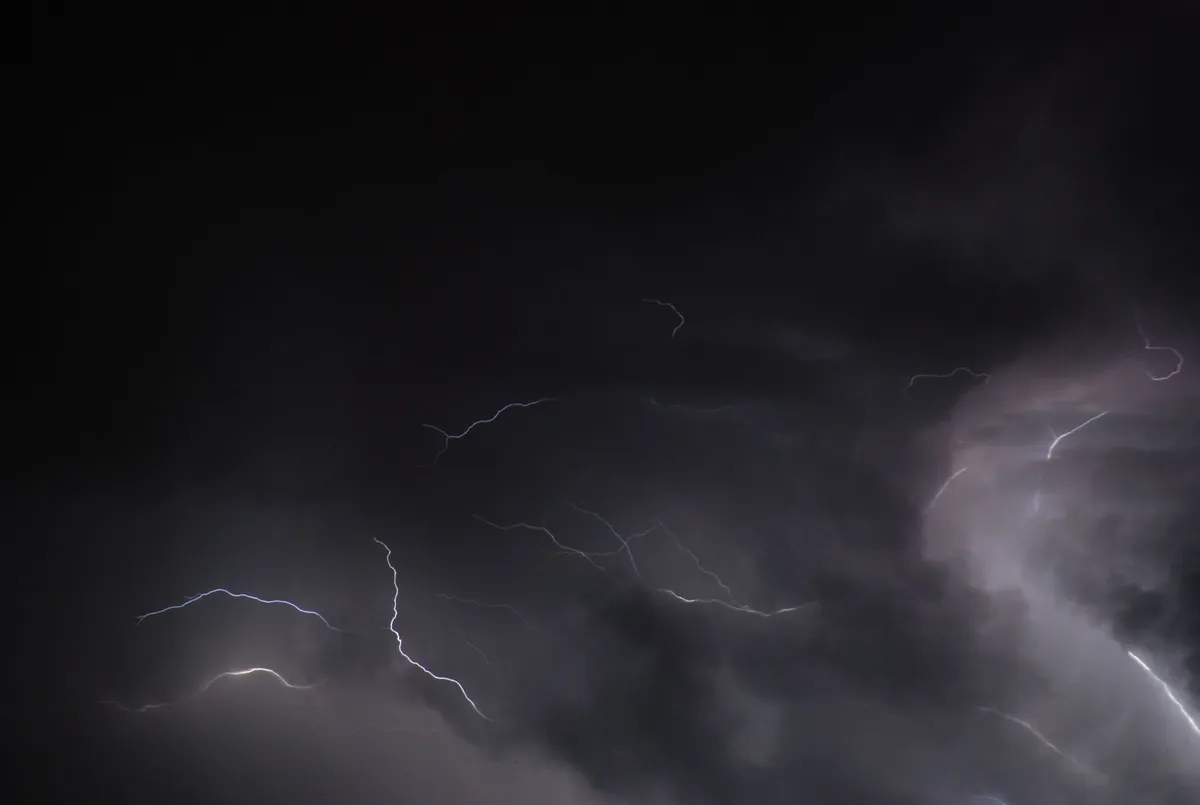
Natural disasters can disrupt lives and economies, and understanding how these events translate to financial losses is critical for both insurers and policyholders. The report from Aon breaks down the types of events that have led to insured losses, revealing that severe convective storms and winter storms were the primary drivers, together accounting for over 70% of global insured catastrophe losses in the first half of 2026.
Key Types of Catastrophe Losses
- Severe Convective Storms: These storms include thunderstorms, hail, and tornadoes. They dominated the loss landscape but produced lower totals than in previous years.
- Winter Storms: As climate patterns shift, winter storms continue to affect large areas, leading to significant insured losses.
- Hurricanes: While the current forecast suggests a below-average hurricane season, the potential for a single event to impact large areas remains a concern.
The Role of Reinsurance Capital
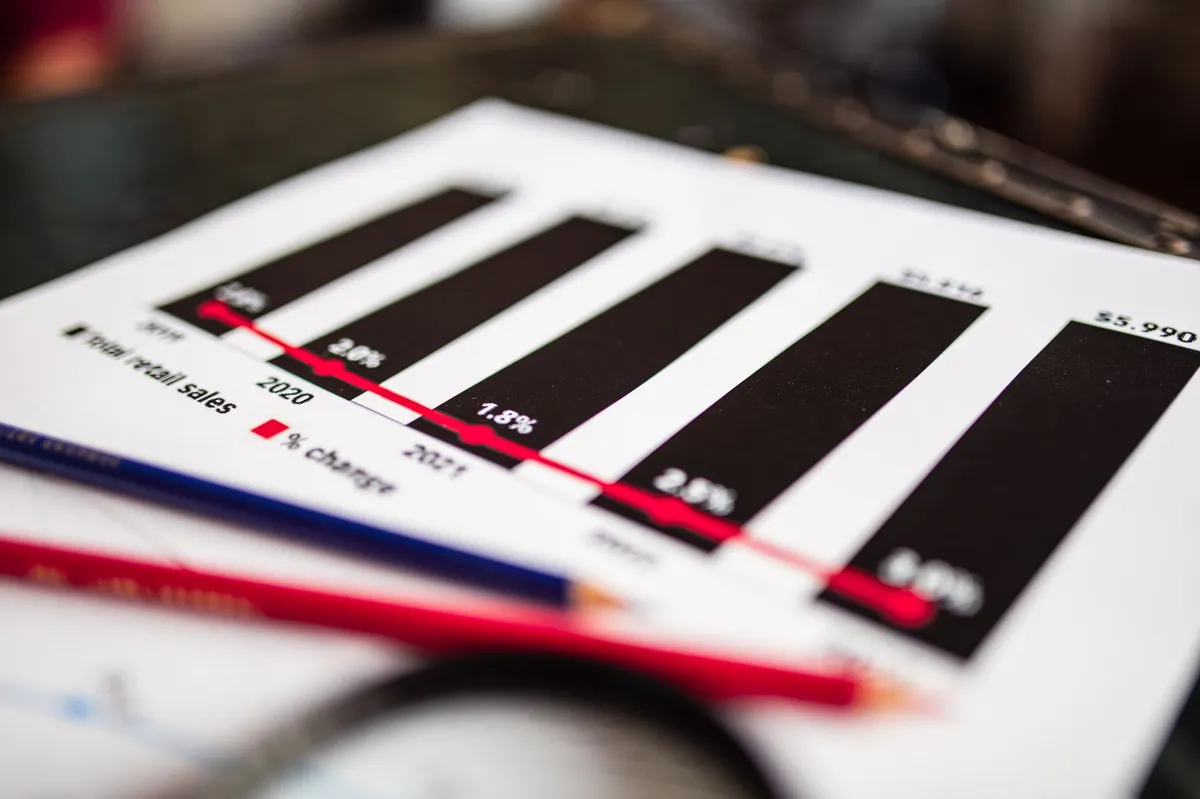
The insurance industry's ability to withstand catastrophic events is bolstered by a robust reinsurance market. Aon reported that global reinsurance capital reached approximately $790 billion at the end of the first quarter of 2026. This capital is critical for insurers, allowing them to spread risk and enhance their capacity to cover potential losses.
Tracy Hatlestad, Aon's global head of property for Reinsurance Solutions, emphasized the impact of this capital accumulation on market dynamics. "Insurers are increasingly using the market to secure multiyear protection at fixed costs and strengthen their overall capital position," Hatlestad noted. The result has been intensified competition in the reinsurance market, particularly during the spring and summer renewal season, as insurers looked to reduce costs while increasing coverage.
Impact of Third-Party Capital
Another significant trend is the growth of third-party capital in the insurance sector. This type of capital now accounts for nearly 20% of total industry capital, a marked increase from the low-teens share seen a decade ago. This influx of capital has changed the dynamics of the market, allowing insurers to access additional resources and mitigate risks more effectively.
Florida: A Unique Case
Florida stands out in the current insurance landscape, particularly regarding reinsurance. Aon recorded an additional demand for Florida reinsurance coverage between $5 billion and $7 billion, driven by a surge in domestic insurers and the ongoing depopulation of the Citizens Property Insurance Corporation. Hatlestad described this situation as resulting in "one of the most positive renewals we've seen in Florida in more than a decade."
This surge in demand reflects the complexities of the Florida insurance market, which has historically faced challenges due to high risk from hurricanes and severe weather events. Insurers operating in Florida are closely monitoring the upcoming hurricane season, as even a single event could significantly impact their financial stability and operational strategies.
The Hurricane Season Ahead
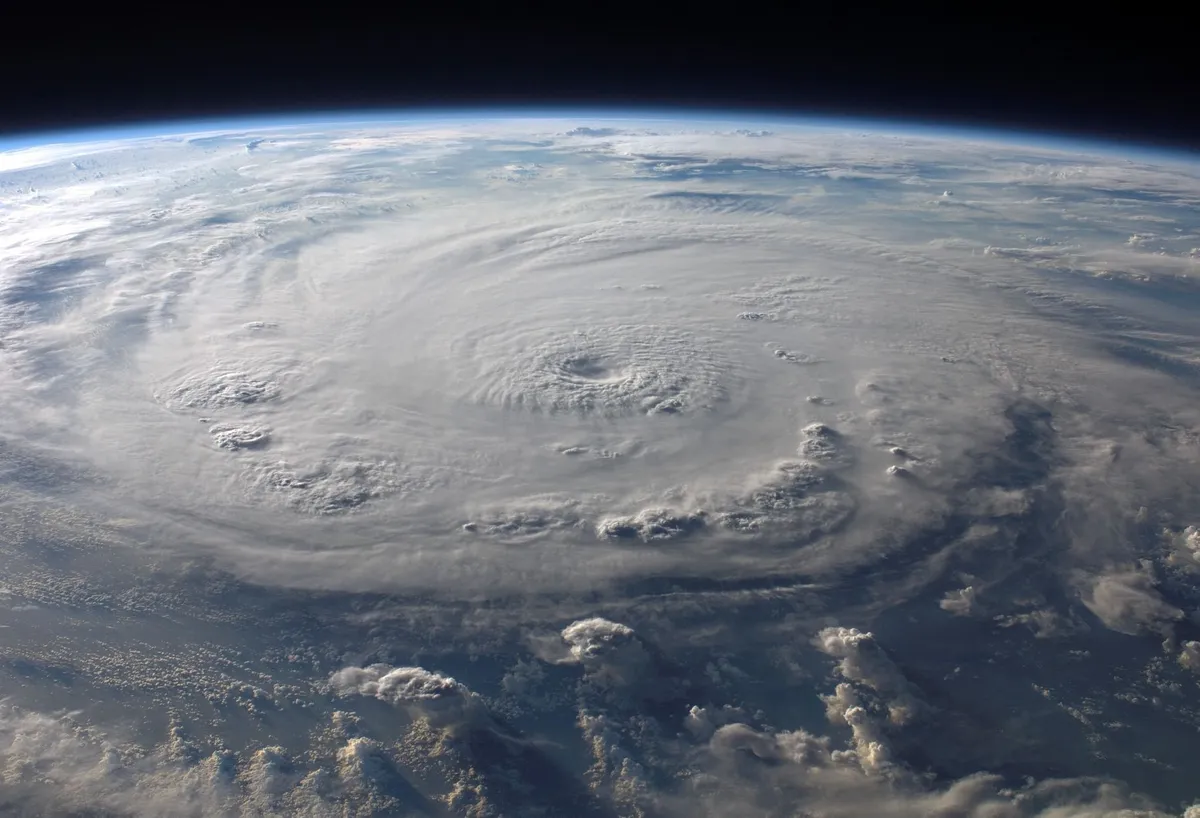
As the Atlantic hurricane season approaches, the insurance industry remains on high alert. Aon has issued a cautionary note regarding the potential risks associated with this season, emphasizing that while strengthening El Niño conditions may suppress hurricane activity, the risk of significant landfall remains.
"The loss picture can change very quickly when there is a storm that affects a concentration of exposure in the US," Lorinc warned. The unpredictability of hurricane paths and intensities underscores the inherent risks that insurers face, even in a season that is expected to be below average.
Key Takeaways
- Global economic losses from natural disasters in H1 2026 were estimated at $111 billion.
- Insured losses totaled approximately $47 billion, consistent with long-term averages.
- Severe convective storms and winter storms accounted for over 70% of global insured catastrophe losses.
- Global reinsurance capital stood at around $790 billion, enhancing market competition.
- Florida saw a significant increase in demand for reinsurance coverage, highlighting regional market dynamics.
Frequently Asked Questions
What factors influence insurance premiums in hurricane-prone areas?
Insurance premiums in hurricane-prone areas are influenced by a variety of factors including the frequency of past claims, the level of risk associated with the geographical area, and broader market conditions. In regions like Florida, where hurricanes are more common, insurers often adjust premiums to reflect the heightened risk. Higher premiums may also be necessary to account for potential losses from severe weather events, particularly as more data becomes available about the frequency and severity of these storms.
How does reinsurance help stabilize the insurance market?
Reinsurance plays a crucial role in stabilizing the insurance market by allowing primary insurers to transfer some of their risk to reinsurers. This process helps insurers maintain financial stability during periods of high claims, such as during catastrophic events. By spreading the risk, reinsurers can absorb larger losses, which enables primary insurers to offer lower premiums and maintain their market presence even in challenging conditions.
What are the implications of increased third-party capital in the insurance industry?
The rise of third-party capital in the insurance industry has significant implications for market dynamics. This influx of capital allows insurers to access additional resources, which can lead to greater capacity for risk coverage and lower premiums for policyholders. However, it also increases competition among insurers, which may drive down prices but also create pressures to manage risk more effectively. Insurers must balance the benefits of increased capital with the need to maintain their financial health and operational resilience.
Comments
Wheat Farmers Face Scorching Heat Amid Rising Crop Prices
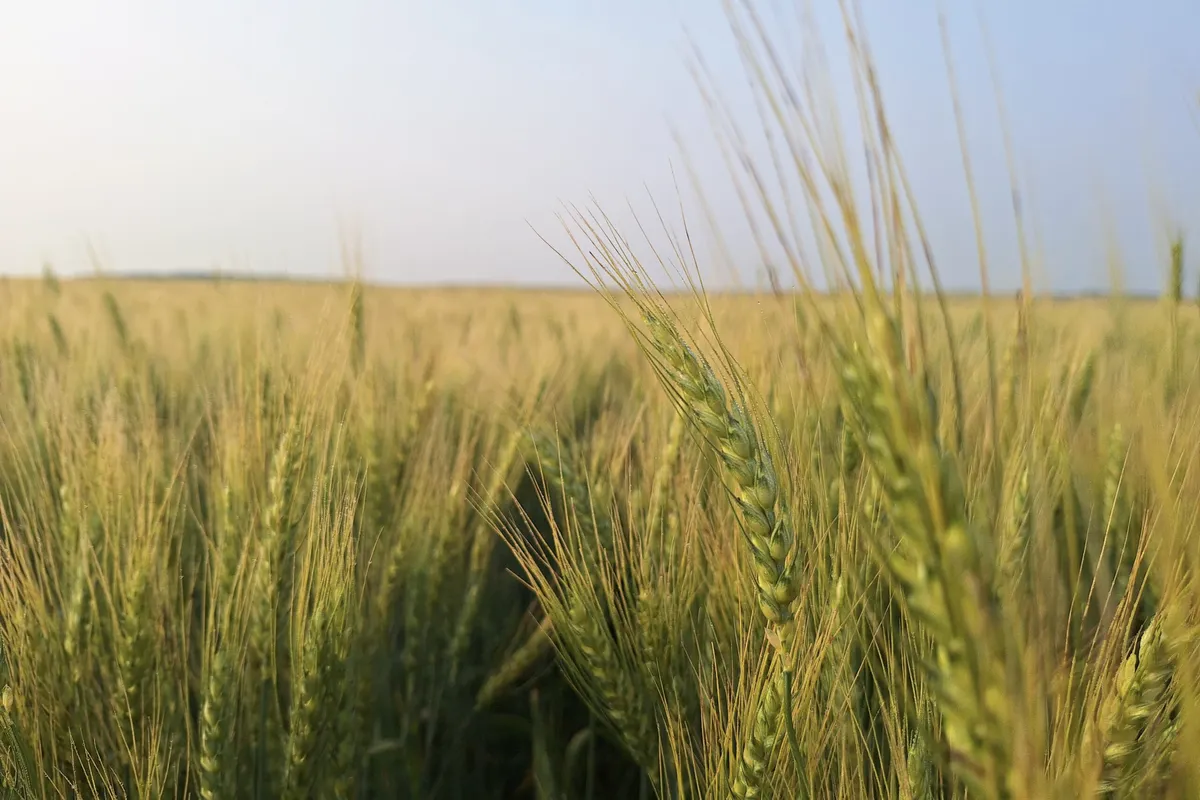
As North Dakota wheat farmers prepare for harvest, they grapple with extreme heat threatening their yields just as crop prices surge to new highs. The interplay of local weather and global events, particularly the ongoing war between Russia and Ukraine, adds complexity to an already volatile market.
Related articles




Popular in Business Insurance
- Surging War-Risk Insurance Rates in the Strait of Hormuz: What It Means for Shipping
- Ross & Yerger Insurance Faces Class Action Over Data Breach Allegations
- Sompo Expands U.S. Workers' Compensation Portfolio with Service Insurance Acquisition
- Legal Battle Unfolds Over $1 Million Truck Crash Insurance Payout
- Howden Group's Ambitious Journey Toward IPO and Expansion