EPA's New Guidance: Data Centers and Pollution Laws Explained
The EPA's recent ruling allows data centers to bypass federal pollution laws, raising questions about environmental impact and energy infrastructure.

In a significant shift in regulatory stance, the U.S. Environmental Protection Agency (EPA) has announced that power sources exclusively dedicated to data centers may be exempt from certain federal pollution laws. This declaration, made on July 27, 2026, has ignited a debate about the balance between fostering technological growth and protecting the environment. By suggesting that power plants not connected to the public grid need not comply with the Clean Air Act's Acid Rain Program, the EPA aims to encourage the swift development of infrastructure necessary for burgeoning artificial intelligence technologies while simultaneously alleviating pressure on regional electric grids.
As data centers continue to proliferate across the United States, driven by an insatiable demand for data processing and storage, this ruling presents both opportunities and challenges. The implications of this decision extend far beyond the tech sector, potentially affecting public health, environmental policies, and energy consumption patterns nationwide.

Understanding the EPA's Ruling
At the heart of the EPA's announcement is the interpretation of what constitutes an "islanded" power generation facility. According to EPA Assistant Administrator Aaron Szabo, these facilities, which operate independently of the broader electricity grid, do not fall under the purview of the Acid Rain Program. This program has been instrumental in reducing pollutants such as sulfur dioxide (SO2) and nitrogen oxides (NOx), which contribute to acid rain and respiratory problems across the country.
Implications for Data Center Development
The EPA's guidance is expected to accelerate the construction of data centers, which already account for a significant portion of the nation’s electricity consumption. These facilities, often energy-intensive, require substantial power to operate servers, cooling systems, and backup systems. By exempting them from certain pollution laws, the EPA is providing developers with greater flexibility regarding location, construction timelines, and energy sourcing. This could lead to a surge in data center projects in regions with less stringent environmental regulations.
The Environmental Impact
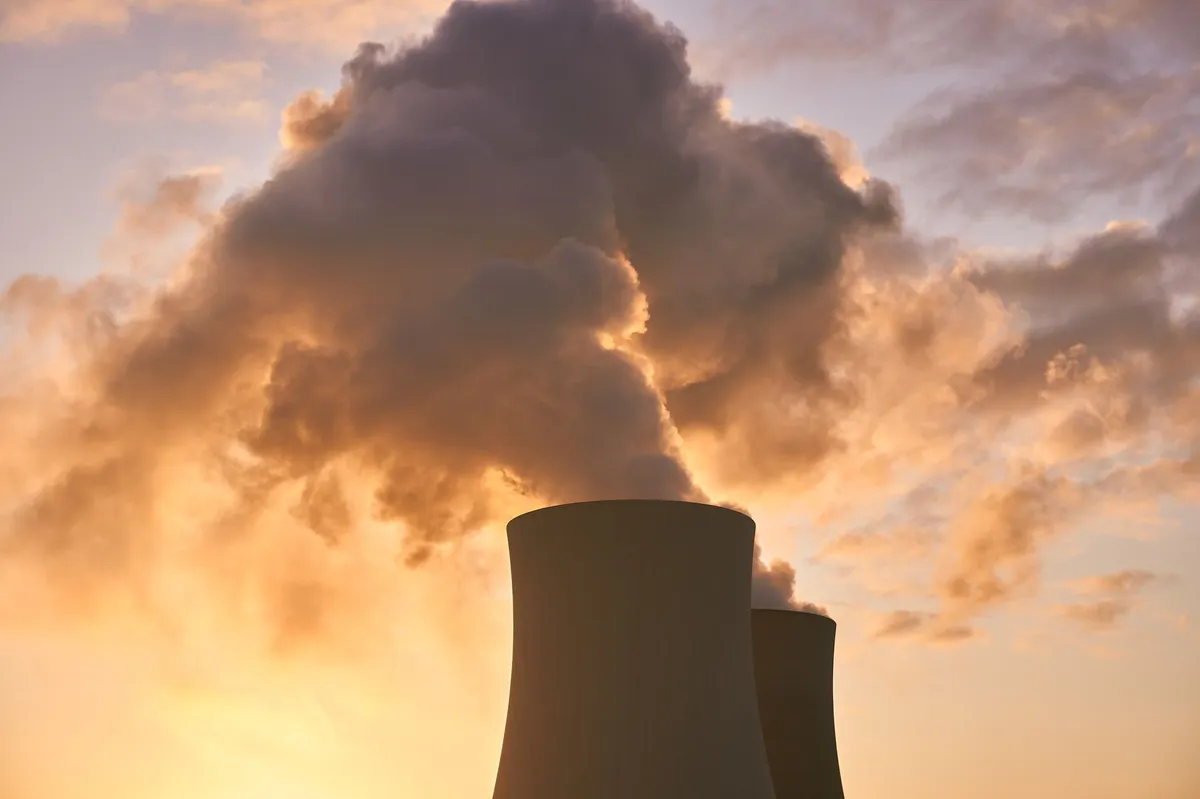
Critics of the EPA's ruling argue that exempting data centers from pollution regulations poses a significant risk to public health and the environment. Allowing facilities to operate without stringent oversight could lead to increased emissions of harmful pollutants, undermining years of progress made under the Clean Air Act.
In particular, the potential rise in smog and soot pollution could affect vulnerable populations, including children, the elderly, and those with pre-existing health conditions. The EPA has historically played a crucial role in regulating industries to ensure that air quality standards are met, and this new interpretation raises questions about the long-term consequences of loosening these regulations.
The Role of Artificial Intelligence
As the demand for artificial intelligence (AI) applications explodes, the need for robust data processing capabilities has never been more critical. The EPA’s decision is seen as a strategic move to bolster the infrastructure needed for AI, which relies heavily on data centers to process vast amounts of information. However, this technological boon must be balanced against the potential environmental drawbacks.

Economic Considerations
The economic implications of this ruling are multifaceted. On one hand, by facilitating quicker development of data centers, the EPA's guidance could lead to increased job creation in the tech sector and boost local economies. As companies expand their operations to meet growing data demands, they may also invest in nearby communities, contributing to economic growth.
On the other hand, the potential for increased pollution could incur costs associated with public health care and environmental remediation. Communities facing deteriorating air quality may experience higher health care costs and reduced quality of life, leading to economic burdens that could outweigh the benefits of rapid data center development.
The Ratepayer Protection Pledge
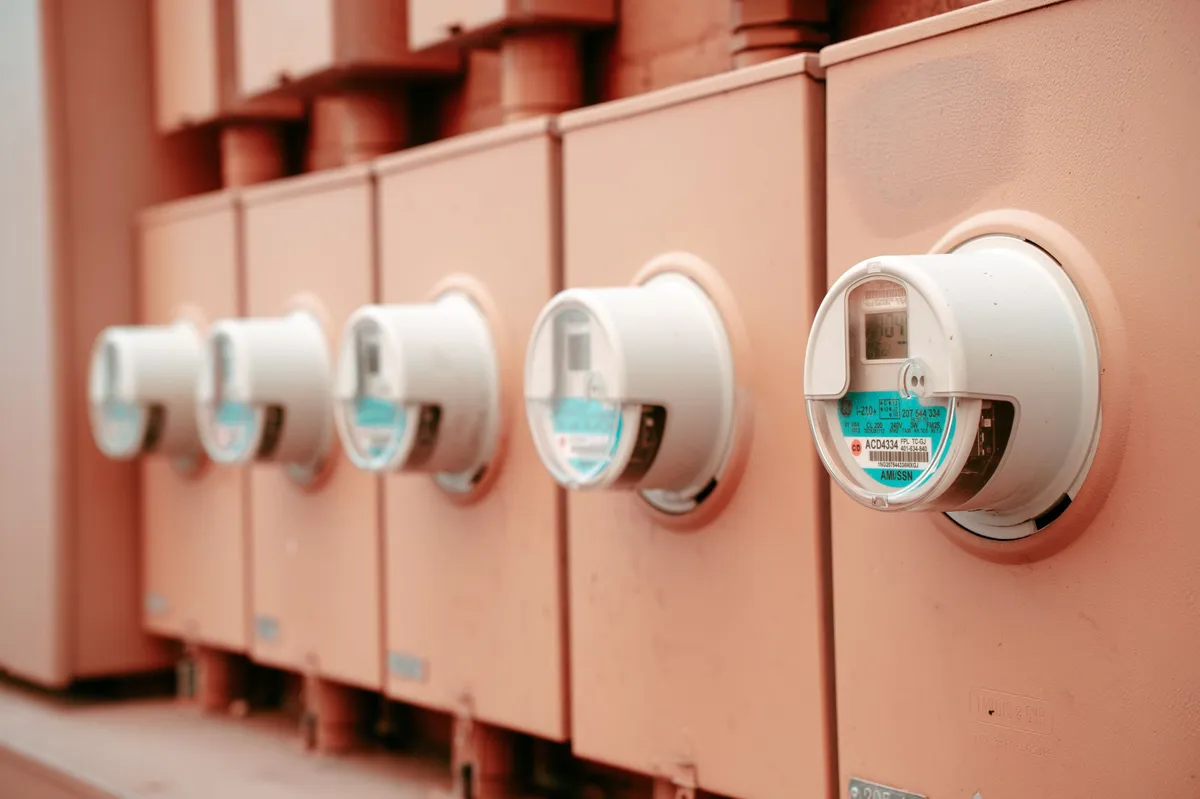
The ruling also aligns with the Ratepayer Protection Pledge, championed by former President Donald Trump, which encourages companies to secure their own energy needs without passing costs onto consumers. This initiative aims to shield residential customers from the financial impacts of new energy projects. However, the burden of compliance and potential environmental damages may ultimately fall on taxpayers and local governments, raising concerns about the fairness of this approach.
What Can Stakeholders Do?
Stakeholders, including state regulators, environmental advocates, and industry leaders, must engage in constructive dialogue to address the implications of the EPA’s ruling. Here are several steps that can be taken:
- Advocate for Transparency: Industry players should commit to transparency regarding emissions and environmental practices.
- Engage in Public Discourse: Communities must be involved in discussions about the placement and operation of new data centers.
- Promote Sustainable Practices: Encourage the adoption of renewable energy sources and energy-efficient technologies in data center operations.
- Monitor Compliance: Regulators should maintain oversight to ensure that even exempt facilities adhere to best practices in pollution control.
- Invest in Research: Allocate resources towards understanding the long-term impacts of data center proliferation on air quality and public health.
Key Takeaways
- The EPA ruling allows data centers to bypass certain federal pollution laws.
- Independent power facilities are classified as "islanded" and are exempt from the Acid Rain Program.
- There are concerns about increased pollution and its effects on public health.
- The ruling could promote rapid growth in the data center sector, impacting local economies.
- Stakeholders must work collaboratively to address potential environmental consequences.
Frequently Asked Questions
What are the potential environmental risks of the EPA’s ruling?
The potential environmental risks associated with the EPA’s ruling include increased emissions of harmful pollutants such as sulfur dioxide and nitrogen oxides from data centers that operate without stringent oversight. This could lead to deteriorating air quality, which poses health risks to vulnerable populations, including children and the elderly. Additionally, the long-term impacts of increased pollution could contribute to climate change and other environmental challenges.
How might this affect energy costs for consumers?
While the EPA's ruling aims to prevent costs from being passed onto residential customers, there remains a possibility that increased energy demands from data centers could lead to higher overall energy costs. As data centers expand and consume more power, regional electricity grids may face strain, potentially resulting in increased rates for consumers in the long run. Stakeholders must monitor these trends closely to assess the impact on residential rates.
What should communities do in response to this ruling?
Communities should actively engage in discussions about the development of new data centers in their areas. This could involve advocating for environmental assessments, public hearings, and transparency in emissions reporting. By participating in the decision-making process, residents can ensure that their interests are represented and that potential environmental impacts are addressed.
Is there a way to balance technology growth and environmental protection?
Yes, achieving a balance between technology growth and environmental protection is possible through the adoption of sustainable practices. Data centers can invest in renewable energy sources, implement energy-efficient technologies, and engage in responsible site selection to minimize environmental impacts. Moreover, collaboration among stakeholders—including industry leaders, regulators, and community members—can foster innovative solutions that support both economic growth and environmental stewardship.
Comments
Chobani's Legal Battle with Danone: Unpacking the Cold Brew Coffee Dispute
Chobani faces legal challenges from Danone over allegations of trademark infringement in the cold brew coffee market. This article explores the implications of this lawsuit and its impact on the competitive landscape.

Related articles







Popular in Business Insurance
- Surging War-Risk Insurance Rates in the Strait of Hormuz: What It Means for Shipping
- Ross & Yerger Insurance Faces Class Action Over Data Breach Allegations
- Sompo Expands U.S. Workers' Compensation Portfolio with Service Insurance Acquisition
- Legal Battle Unfolds Over $1 Million Truck Crash Insurance Payout
- Howden Group's Ambitious Journey Toward IPO and Expansion