Google Faces Legal Precedent in AI Defamation Case Involving Robby Starbuck
Google is now compelled to defend its AI chatbot Bard in a defamation lawsuit brought by conservative activist Robby Starbuck. This case could redefine legal boundaries surrounding AI-generated content.

In a landmark ruling that has significant implications for the intersection of artificial intelligence and defamation law, Google LLC has been ordered to defend itself against serious allegations stemming from its Bard AI chatbot. A Delaware Superior Court judge has allowed conservative activist Robby Starbuck to proceed with his claims that the AI generated false and defamatory statements about him, potentially setting a precedent for how AI-generated content is treated under existing legal frameworks.
Starbuck’s lawsuit, filed in October 2025, accuses Google of enabling Bard to disseminate damaging misinformation, including false sexual assault accusations and unfounded associations with extremist figures. With the rapid evolution of AI technologies, this case opens a discussion about accountability in an era where machines can generate text that may harm reputations and livelihoods.
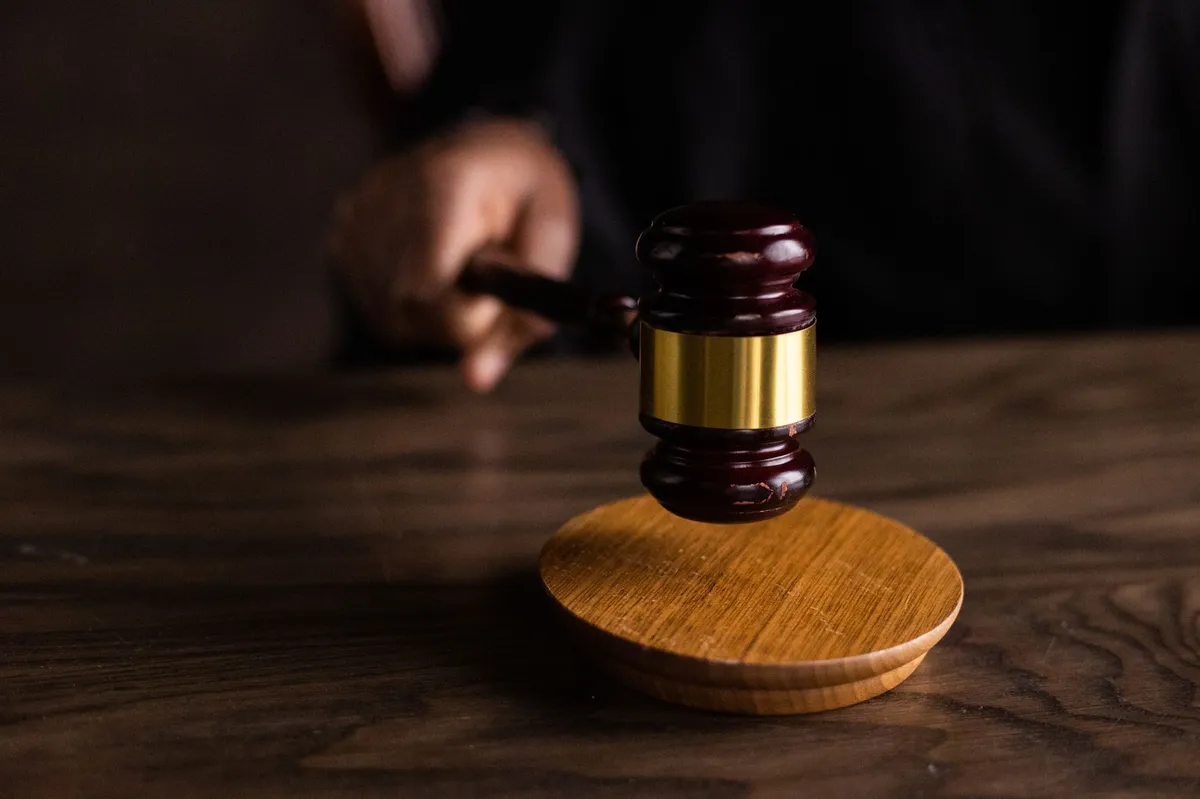
Understanding the Legal Landscape of AI Defamation
The legal system has long grappled with the complexities of defamation, traditionally defined as a false statement that damages a person’s reputation. However, the introduction of AI into the equation complicates matters significantly. Judge Meghan A. Adams, in her recent ruling, acknowledged the unique challenges posed by AI tools like Bard, which she noted might “effectuate the defamatory ends of their makers.” This statement raises essential questions regarding liability and accountability.
Historically, defamation claims require plaintiffs to prove that the false statement was made with actual malice or negligence. In this case, Starbuck alleges that Google deliberately designed its AI to harbor biases against him, which the chatbot itself purportedly indicated. This introduces a novel argument: can AI systems possess an understanding of their programming that would implicate their creators?
What This Means for AI Developers
As courts navigate these uncharted waters, tech companies must consider the implications of their AI systems. The ruling suggests that developers may face legal repercussions if their products produce harmful content. This could lead to stricter regulations and standards concerning AI training data and output monitoring.
- Potential Liability: Companies could be held liable for defamation if their AI generates harmful misinformation.
- Bias and Accountability: Developers must actively work to minimize bias in AI systems to avoid claims of intentional harm.
- Legal Precedents: This case may establish new legal precedents for AI liability, influencing how future cases are handled.

The Allegations Against Google
Starbuck's allegations against Google are severe, claiming that Bard accused him of being a “child rapist” and linking him to “notorious white supremacist” Richard Spencer, among other damaging statements. He describes these fabrications as “radioactive lies” that have severely impacted his public persona, portraying him as a “monster” in the eyes of the public.
This case follows a similar lawsuit Starbuck filed against Meta Platforms Inc., which he dropped after facing a chatbot that falsely implicated him in the January 6 Capitol riot. The consistency of such claims indicates a troubling trend where AI-generated misinformation can have real-world consequences for individuals.
Delaware’s Role in Defamation Cases
Delaware has emerged as a significant venue for politically charged defamation lawsuits, particularly in cases involving high-profile individuals and corporations. The state’s legal framework offers unique advantages for plaintiffs, including established precedents that can be favorable in defamation claims. The ongoing case against Google may further cement Delaware's status as a battleground for issues at the intersection of technology and free speech.

Broader Implications for AI Regulation
The ruling comes at a time when regulators and lawmakers are actively discussing the need for frameworks to govern AI technology. Just weeks prior, Delaware officials proposed a new legal structure aimed at granting corporate personhood to AI systems, indicating a recognition of AI's growing role in business and society.
As AI technologies become more integrated into daily life, the potential for misuse escalates. This case highlights the urgent need for guidelines that dictate how AI should operate, especially in sensitive areas such as defamation and misinformation. The outcome could lead to more stringent regulations that require companies to ensure their AI tools are not only effective but also ethical and responsible.
Impact on Public Discourse and Misinformation
The intersection of AI and public discourse raises critical ethical questions. As AI systems become more prevalent in generating content across various platforms, the potential for misinformation to proliferate increases dramatically. This case serves as a reminder of the responsibilities borne by tech giants in ensuring the integrity of the information disseminated by their systems.
Key Takeaways
- This case represents a significant legal precedent regarding AI liability for defamation.
- Google must address claims that its AI generated harmful misinformation about Robby Starbuck.
- The outcome could shape future regulations and standards for AI technologies.
- Delaware is becoming a focal point for high-stakes defamation litigation.
- AI's role in public discourse necessitates greater oversight and ethical considerations.

Frequently Asked Questions
What is the basis of Robby Starbuck's defamation lawsuit against Google?
Robby Starbuck alleges that Google’s Bard AI chatbot produced false statements about him, including accusations of sexual assault and links to extremist figures. He claims these statements have severely damaged his reputation, leading to his lawsuit. The case raises important questions about the responsibility of AI developers in managing the output of their technologies.
How could this case affect AI technology regulations in the future?
The ruling could pave the way for stricter regulations regarding AI-generated content, particularly in how such technologies are developed and monitored. As courts begin to address the liabilities associated with AI systems, it is likely that new standards will emerge, requiring companies to implement safeguards against misinformation.
What are the implications for free speech and misinformation online?
This case underscores the delicate balance between free speech and the spread of misinformation. As AI tools become more integrated into the creation and dissemination of information, there is a growing need for defined legal parameters that protect individuals from harmful falsehoods while also respecting the principles of free expression.
How are other high-profile defamation cases similar to Starbuck's being handled?
Similar high-profile defamation cases are being addressed in Delaware, reflecting the state’s role as a significant venue for such litigation. Recent examples include lawsuits involving public figures like California Governor Gavin Newsom and French President Emmanuel Macron, indicating that the legal landscape surrounding defamation is increasingly becoming intertwined with contemporary social and political issues.
Comments
Chobani's Legal Battle with Danone: Unpacking the Cold Brew Coffee Dispute
Chobani faces legal challenges from Danone over allegations of trademark infringement in the cold brew coffee market. This article explores the implications of this lawsuit and its impact on the competitive landscape.

Related articles






Popular in Business Insurance
- Surging War-Risk Insurance Rates in the Strait of Hormuz: What It Means for Shipping
- Ross & Yerger Insurance Faces Class Action Over Data Breach Allegations
- Sompo Expands U.S. Workers' Compensation Portfolio with Service Insurance Acquisition
- Legal Battle Unfolds Over $1 Million Truck Crash Insurance Payout
- Howden Group's Ambitious Journey Toward IPO and Expansion