New Legislation Aims to Combat Staged Accident Fraud in the U.S.
A recent bill introduced in the Senate seeks to address the rising issue of staged accidents, a fraudulent practice that endangers lives and raises insurance premiums for Americans. This article explores the implications of the Staged Accident Fraud Prevention Act and its potential impact on consumers and the insurance industry.
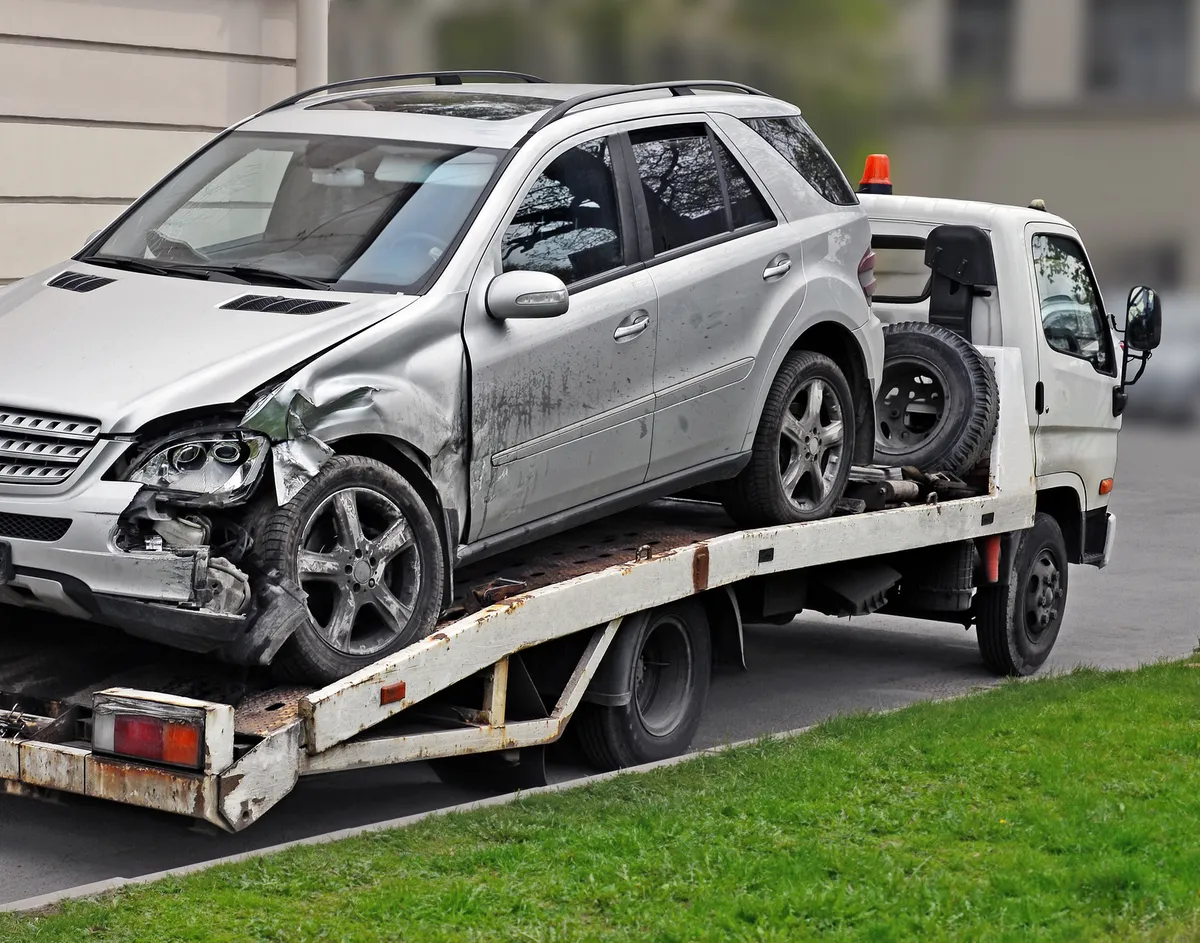
On July 22, 2026, the U.S. Senate witnessed the introduction of a significant piece of legislation aimed at dismantling the organized crime of staged accidents. Spearheaded by Senator Ashley Moody, the Staged Accident Fraud Prevention Act represents a proactive step toward addressing a growing concern in the American transportation and insurance landscape. Staged accidents—where individuals deliberately orchestrate traffic collisions—pose a serious threat not only to public safety but also inflate insurance costs for millions of Americans.
The ramifications of staged accidents extend beyond mere financial implications; they endanger lives, disrupt supply chains, and foster a culture of deceit within the insurance system. This article delves into the motivations behind the legislation, the mechanics of staged accident schemes, and the potential impact on the insurance industry and consumers alike.
Understanding Staged Accidents
Staged accidents typically involve individuals who intentionally create fake collisions, often referred to as "crash-for-cash" schemes. In these scenarios, perpetrators manipulate circumstances to make it appear as though an accident has occurred, subsequently filing fraudulent insurance claims to receive payouts for non-existent damages or injuries. These schemes have become increasingly sophisticated, exploiting no-fault insurance laws that allow individuals to claim compensation without proving fault.
Why Staged Accidents Matter
The prevalence of staged accidents has surged, particularly in states with no-fault insurance systems, where payouts can be more easily manipulated. According to data from the National Insurance Crime Bureau (NICB), staged accidents account for a significant portion of fraudulent insurance claims, contributing to rising premiums for responsible drivers. The financial burden of these scams often trickles down to consumers in the form of increased insurance rates, which can be particularly challenging for low-income families and small business owners.
- Increased Costs: The National Association of Mutual Insurance Companies estimates that staged accidents could cost the insurance industry billions annually, inflating premiums for honest policyholders.
- Public Safety Risks: Innocent motorists and pedestrians are at risk of injury from these orchestrated collisions, posing a serious threat to public safety.
- Legal and Administrative Burden: The prevalence of staged accidents leads to increased litigation, straining court resources and affecting legitimate claims processing.

The Legislative Response: Staged Accident Fraud Prevention Act
In response to the growing threat of staged accidents, Senator Ashley Moody introduced the Staged Accident Fraud Prevention Act, which aims to strengthen federal laws against these fraudulent activities. The bill builds on similar initiatives previously proposed in the House by Representatives Mike Collins and Brandon Gill.
Key Provisions of the Act
The proposed legislation introduces several important measures:
- Increased Penalties: The bill seeks to up the penalties and fines for individuals caught orchestrating or participating in staged accidents. This includes harsher consequences for those who involve commercial motor vehicles.
- Coordination Among Law Enforcement: The Act aims to enhance collaboration among local, state, and federal law enforcement agencies to better combat organized fraud rings.
- Public Awareness Campaigns: The legislation encourages educational initiatives to inform the public about the dangers of staged accidents and how to identify potential fraud.
Senator Moody emphasized the urgency of this legislation, stating, "Every day, staged accidents and fraudulent schemes put innocent lives at risk and raise costs for every American." This sentiment is echoed by industry experts, who argue that strong enforcement tools are essential for deterring organized fraud and improving roadway safety.
Industry Support and Reactions
The introduction of the Staged Accident Fraud Prevention Act has garnered widespread support from various industry stakeholders. Organizations such as the American Property Casualty Insurance Association (APCIA) have expressed their backing, highlighting the need for stronger measures to combat sophisticated fraud schemes. Sam Whitfield, APCIA's senior vice president, noted that these schemes not only jeopardize safety but also contribute to escalating insurance costs.
Impact on Consumers and Businesses
The implications of this legislation are far-reaching, particularly for consumers and businesses that rely on commercial transportation. By cracking down on staged accidents, the Act aims to:
- Protect Lives: Reducing the incidence of staged accidents will help ensure the safety of all road users, decreasing the likelihood of injuries and fatalities.
- Lower Insurance Premiums: With fewer fraudulent claims, insurance companies can stabilize their loss ratios, potentially leading to lower premiums for honest policyholders.
- Encourage Ethical Practices: The legislation aims to foster a culture of integrity within the insurance sector, encouraging businesses and consumers to report suspected fraud.
State-Level Initiatives
While the federal government moves to address staged accidents on a national level, several states have already taken legislative steps to combat this issue. For instance, Georgia has proposed fines of up to $100,000 for individuals involved in orchestrating staged accidents. Similarly, New York's budget bill includes provisions that allow prosecutors to seek criminal penalties against anyone found responsible for organizing these fraudulent schemes, not just the drivers involved.
Collaborative Efforts Across States
The varying state laws highlight the importance of coordinated efforts to tackle staged accident fraud comprehensively. The Independent Insurance Agents & Brokers of America has emphasized that a unified approach will enhance the effectiveness of state and federal initiatives, ensuring that fraudsters face significant consequences regardless of where the crime occurs.
Key Takeaways
- Legislation Introduction: The Staged Accident Fraud Prevention Act aims to curb staged accidents and enhance penalties for offenders.
- Support from Industry: Major insurance organizations advocate for the bill, citing the need for stronger fraud deterrents.
- Consumer Impact: If passed, the Act could lead to lower insurance premiums and increased roadway safety.
Frequently Asked Questions
What are staged accidents?
Staged accidents are fraudulent schemes where individuals intentionally cause traffic collisions to file false insurance claims. These scams typically involve orchestrated events designed to appear as legitimate accidents, exploiting no-fault insurance laws for financial gain.
How will the Staged Accident Fraud Prevention Act affect insurance premiums?
The Act aims to reduce the incidence of fraudulent claims by increasing penalties for offenders and enhancing law enforcement coordination. As a result, insurance companies may experience fewer fraudulent claims, potentially leading to lower premiums for honest policyholders as the overall cost burden decreases.
What can consumers do to protect themselves from staged accidents?
Consumers can take proactive measures to safeguard themselves, such as being vigilant on the road, documenting any accidents thoroughly, and reporting suspicious behavior to authorities. Understanding the signs of staged accidents and educating oneself about local laws can also help mitigate risks.
Are there similar laws in other states?
Yes, several states have enacted or proposed laws to combat staged accidents. For example, Georgia imposes hefty fines for individuals involved in orchestrating these schemes, while New York allows prosecutors to seek penalties against organizers of staged accidents. These efforts reflect a growing recognition of the need for coordinated action against insurance fraud.
Comments
Chobani's Legal Battle with Danone: Unpacking the Cold Brew Coffee Dispute
Chobani faces legal challenges from Danone over allegations of trademark infringement in the cold brew coffee market. This article explores the implications of this lawsuit and its impact on the competitive landscape.
Related articles




Popular in Business Insurance
- Surging War-Risk Insurance Rates in the Strait of Hormuz: What It Means for Shipping
- Ross & Yerger Insurance Faces Class Action Over Data Breach Allegations
- Sompo Expands U.S. Workers' Compensation Portfolio with Service Insurance Acquisition
- Legal Battle Unfolds Over $1 Million Truck Crash Insurance Payout
- Howden Group's Ambitious Journey Toward IPO and Expansion