Dispute Over Hurricane Beryl Claim: Apartment Owner Sues Topa Insurance
A Texas apartment owner claims Topa Insurance underpaid a Hurricane Beryl claim by over $2.4 million, leading to a lawsuit. The case highlights ongoing issues in insurance claims and the appraisal process.
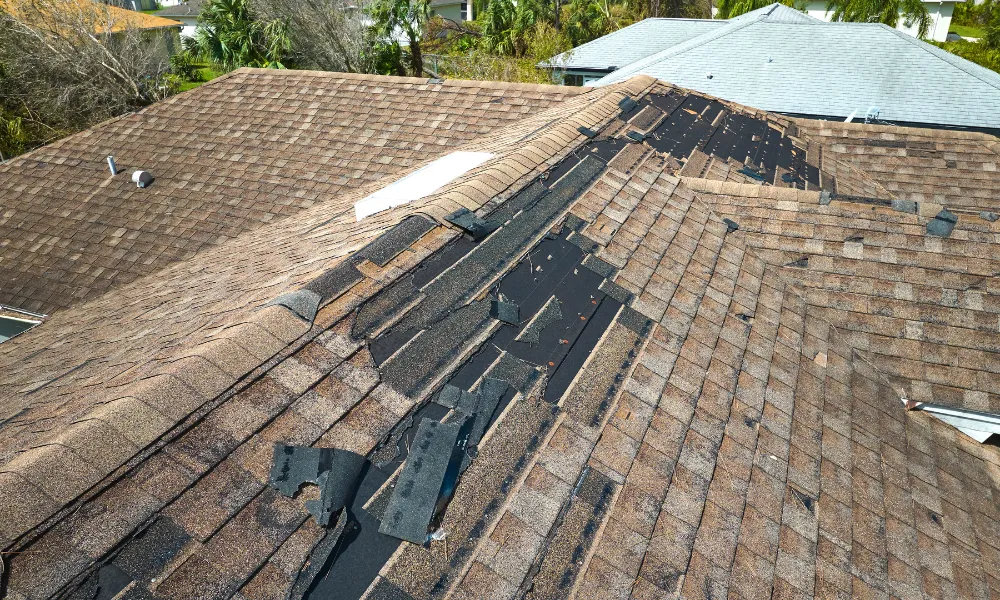
In the aftermath of Hurricane Beryl, a significant legal battle has emerged in Texas between GKS Enterprises, the operator of Garden Villa Apartments, and Topa Insurance Company. The lawsuit, filed on July 27, 2026, in the US District Court for the Southern District of Texas, centers around allegations that Topa underpaid claims related to substantial damages incurred by the eight-building apartment complex. With over $2.4 million at stake, the case highlights critical issues within the insurance claims process and raises concerns about the responsibilities of insurers during natural disasters.
Hurricane Beryl made landfall on July 8, 2024, causing extensive damage to multiple buildings within the complex. According to the complaint, the damage included significant roof, siding, and elevation issues, along with interior water intrusion. GKS Enterprises reported these losses on August 16, 2024, under a commercial property policy valued at $12 million, which was active from March 19, 2024, to March 19, 2025. However, the ensuing claims process has been fraught with disputes, denial, and what the apartment owner claims is insufficient compensation.
Background of the Dispute
The heart of the dispute lies in the claim evaluation process. After the hurricane caused substantial damage, Topa enlisted the services of its third-party claims administrator, Swyfft, to assess the situation. However, the findings from Swyfft have raised eyebrows. The inspection that followed primarily focused on only one of the eight buildings—Building 7. The assessment estimated the replacement cost for Building 7 at only $185,412.82.
Despite the substantial damage reported by GKS Enterprises, Swyfft's subsequent payment of $167,771.48 covered only the actual cash value of Building 7, with partial denials for water damage claims related to four other buildings. The justification provided by Swyfft stated that the damage resulted from wear and tear rather than hurricane-related impacts, asserting that no wind-created openings existed to establish a covered loss.
The Appraisal Process: A Critical Look
One of the pivotal points in the lawsuit is the appraisal process, a contractual obligation designed to resolve disputes regarding the extent of damages. GKS Enterprises demanded an appraisal on two separate occasions—April 30 and July 31, 2025. However, both requests were denied by Swyfft, which maintained that seven of the eight buildings did not experience storm-created openings necessary for triggering coverage.
The refusal to engage in the appraisal process is significant, as it can leave policyholders without a clear path to contest claims decisions. In a state like Texas, where weather-related damages are common, understanding and navigating the appraisal process is crucial for property owners. The complaint argues that the insurer's conduct not only breached the contract but also violated the Texas Unfair Settlement Practices Act, which mandates fair and timely payment of claims.
Subsequent Investigations and Findings
After the initial assessments, Swyfft conducted a re-inspection of the property in March 2026. This time, an engineer and a building consultant were involved in evaluating the extent of the damage. The engineer found no wind-related damage beyond a single shingle on Building 7, attributing the issues instead to moisture intrusion, construction deficiencies, and other non-hurricane related factors. The building consultant's report estimated related damages at a mere $804.36, an amount that fell below the deductible.
This investigation further complicates the situation for GKS Enterprises, as it appears to support the insurer's position regarding the limited impact of Hurricane Beryl. However, the apartment owner argues that the evaluations were not comprehensive and failed to account for the full extent of the damage across all buildings.

Legal Grounds of the Lawsuit
The lawsuit against Topa Insurance is grounded in multiple legal claims. GKS Enterprises has asserted four main counts: breach of contract, violations of the Texas Unfair Settlement Practices Act, non-compliance with the state's Prompt Payment of Claims Act, and breach of the common law duty of good faith and fair dealing.
These claims highlight the potential for policyholders to seek not only damages but also punitive measures if it can be shown that insurers acted in bad faith. The lawsuit seeks three times the actual damages, plus 18% interest under the prompt-payment statute, reflecting the serious nature of the allegations against Topa. However, it is essential to note that these claims have yet to be tested in court.
Implications for Policyholders and the Insurance Industry
The ongoing litigation brings to light several critical issues relevant to both policyholders and the broader insurance industry. For property owners, understanding the nuances of their insurance policies and the claims process is paramount, particularly in regions prone to natural disasters.
- Policy Understanding: Property owners should be well-versed in their policy terms, especially regarding coverage limits, deductibles, and specific exclusions related to weather-related damage.
- Claims Process Awareness: Being proactive in the claims process, including understanding the appraisal process and timelines, can be essential in ensuring proper compensation.
- Legal Recourse Knowledge: Knowing when and how to pursue legal action can empower policyholders to seek justice in situations of underpayment or denial of claims.
Moreover, the case emphasizes the importance of fair practices within the insurance industry. As more extreme weather events occur due to climate change, insurers may face increased scrutiny over their claims handling practices. The need for transparency and accountability in the claims process is more critical than ever.

Key Takeaways
- The lawsuit against Topa Insurance involves a claim for over $2.4 million related to Hurricane Beryl damages.
- GKS Enterprises alleges that Topa underpaid claims and denied requests for appraisal.
- The case highlights critical issues in the insurance claims process, particularly for property owners in disaster-prone areas.
- Legal allegations include breach of contract and violations of Texas insurance laws.
- The outcome could have significant implications for both policyholders and the insurance industry.
Frequently Asked Questions
What is the appraisal process in insurance claims?
The appraisal process is a contractual agreement between the insurer and the insured that allows for a neutral third party to evaluate the extent of damages when a dispute arises. This process is especially important for resolving disagreements about the value of a claim or the amount owed by the insurance company. In Texas, the appraisal process is governed by specific laws that outline how it should be executed.
What are the grounds for the lawsuit against Topa Insurance?
The grounds for the lawsuit against Topa Insurance include breach of contract, violations of the Texas Unfair Settlement Practices Act, non-compliance with the Prompt Payment of Claims Act, and breach of the common law duty of good faith and fair dealing. These allegations suggest that Topa may not have acted in accordance with legal requirements and ethical standards when handling the claims associated with Hurricane Beryl.
What should property owners do if they face a similar situation?
Property owners facing a similar situation should first ensure they understand their insurance policy, including coverage limits and the claims process. They should document all damages thoroughly and communicate effectively with their insurance provider. If disputes arise, it may be beneficial to seek legal counsel to explore options for appraisal or litigation. Staying informed about legal rights in the claims process is crucial for securing fair compensation.
How can this lawsuit impact the insurance industry?
This lawsuit could prompt a broader reassessment of claims handling practices within the insurance industry, particularly for policies covering natural disasters. If the court rules in favor of GKS Enterprises, it may set a precedent encouraging more thorough inspections and fairer treatment of claims. Insurers may need to bolster their claims processes to avoid similar legal challenges, ultimately benefiting policyholders through improved service and accountability.
Comments
Navigating the Future: AI Coverage and Digital Infrastructure Insurance
CFC Insurance is leading the charge with affirmative AI coverage for media companies, while Lockton unveils a practice dedicated to digital infrastructure. Here's what it means for businesses.

Related articles






Popular in Business Insurance
- Surging War-Risk Insurance Rates in the Strait of Hormuz: What It Means for Shipping
- Ross & Yerger Insurance Faces Class Action Over Data Breach Allegations
- Sompo Expands U.S. Workers' Compensation Portfolio with Service Insurance Acquisition
- Legal Battle Unfolds Over $1 Million Truck Crash Insurance Payout
- Howden Group's Ambitious Journey Toward IPO and Expansion