LDS Church's Insurance Coverage Battle Reignited by Appeals Court Ruling
The Tenth Circuit Court of Appeals has revived the LDS Church's long-standing dispute with its insurers over coverage for child sexual-abuse settlements. This case underscores the complexities of insurance policy language and its implications for liability claims.
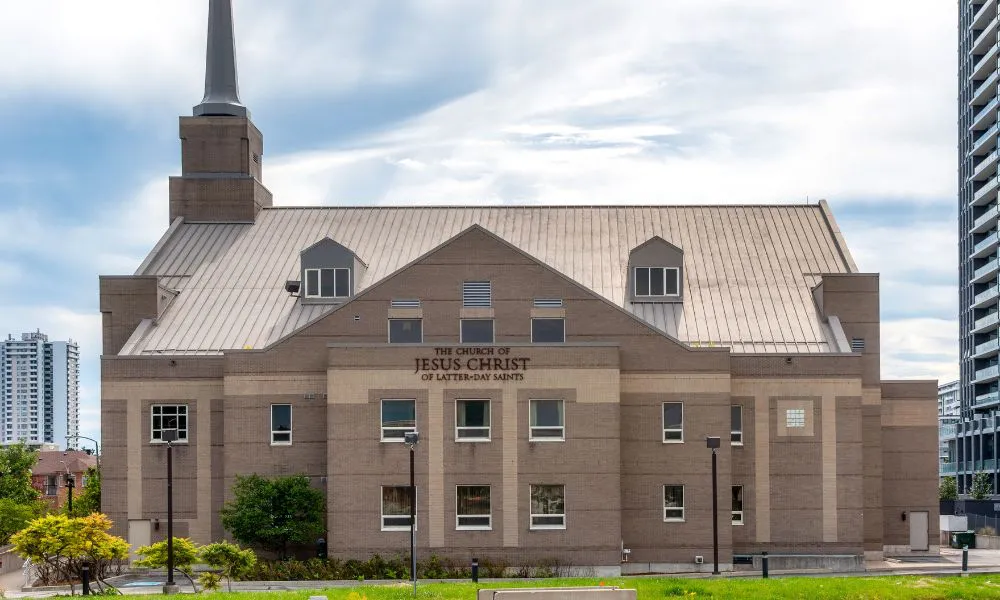
The legal battle between the Church of Jesus Christ of Latter-day Saints (LDS Church) and its insurers has taken a significant turn. On July 28, 2026, the Tenth Circuit Court of Appeals breathed new life into the church's quest to compel two insurance companies to contribute to the costs associated with multiple child sexual-abuse settlements. This ruling highlights not only the intricacies of insurance law but also raises important questions regarding the responsibilities of organizations in preventing abuse and their subsequent financial liabilities.
This case originates from allegations against a former church member who was convicted of sexually abusing children between 2007 and 2011 in Martinsburg, West Virginia. The church faced lawsuits from several victims who claimed that it failed to take adequate precautions that might have prevented the abuse. In an effort to resolve the claims, the LDS Church chose to settle before the cases went to trial, an action that is not uncommon in the face of public scrutiny and potential damages.
The Core of the Dispute: Understanding 'Occurrence'
At the heart of this legal dispute lies the interpretation of the term “occurrence” as defined in the church’s insurance policies with National Union Fire Insurance Company of Pittsburgh, PA (National Union) and ACE Property and Casualty Insurance Company (ACE). The insurance policies stipulate that coverage applies only when the church’s liability for an occurrence exceeds a specified “retained limit,” which is essentially the amount the church is responsible for before insurance kicks in. In this case, no individual settlement for a victim surpassed that limit, leading to a contentious debate about whether the church’s alleged negligence constituted one occurrence or multiple occurrences.
Insurance Policy Language and Its Implications
The LDS Church argued that its negligence should be viewed as a single occurrence, while the insurers contended that each victim's settlement represented a separate occurrence. This distinction is crucial; if the court sided with the insurers, they would owe nothing, as each individual claim did not surpass the retained limit. The policies in question defined “occurrence” to encompass “continuous or repeated exposure to substantially the same general harmful conditions.” National Union’s policy described all such exposure as arising from one occurrence, while ACE’s policy took it a step further, treating repeated exposure as one occurrence regardless of how many claimants were involved.
The trial court ruled in favor of the insurers, interpreting the definition to mean that each child’s abuse incident was a separate occurrence. However, the Tenth Circuit Court of Appeals found this interpretation ambiguous, a critical factor under Utah law, which stipulates that any ambiguity must be resolved in favor of the insured party. The appellate court’s decision does not declare a definitive winner but emphasizes that the church's argument has merit and deserves further examination.

Impact on Insurance Practices
This case serves as a stark reminder of the importance of precise language in insurance policies. The Tenth Circuit's ruling carries a clear message to policy drafters: ambiguous provisions can lead to costly legal battles. The court noted that poorly defined terms can have significant implications for both insurers and insured parties, creating uncertainty that could have been avoided with clearer language.
What This Means for Insurers and Insureds
The implications of this ruling extend beyond the LDS Church. Insurers must be vigilant in drafting clear policies that accurately reflect their coverage intentions to prevent disputes like this from arising. On the other hand, organizations that rely on insurance to protect against liability claims might want to revisit their policies to ensure they understand the scope of their coverage and any potential gaps. This case also highlights the need for better risk management strategies, particularly for organizations that work with vulnerable populations.
The Broader Context of Liability and Abuse Cases
The LDS Church's case is not an isolated incident; it is part of a larger trend involving organizations grappling with the financial repercussions of sexual abuse claims. Many institutions, including schools, religious organizations, and non-profits, have faced similar lawsuits as victims seek justice and accountability. This trend has prompted increased scrutiny of how organizations handle allegations of abuse and their responsibilities to protect the vulnerable.
Moreover, with the rising costs associated with settlements and legal fees, organizations must consider how such liabilities could impact their financial stability. The need for comprehensive insurance coverage that adequately addresses these risks is more critical than ever. Organizations that fail to anticipate and prepare for potential liabilities may find themselves facing significant financial burdens.

Key Takeaways from the Ruling
- Ambiguity in Insurance Policies: The Tenth Circuit's decision underscores the importance of clear language in insurance contracts.
- Potential for Increased Coverage: The ruling allows the LDS Church to pursue coverage, which could influence other similar cases.
- Implications for Organizations: Organizations must ensure their insurance policies adequately cover potential liabilities, particularly in sensitive areas like child safety.
- Continued Legal Scrutiny: The case reflects ongoing legal challenges surrounding abuse claims and the responsibilities of institutions.

Frequently Asked Questions
What is the significance of the term 'occurrence' in insurance policies?
The term 'occurrence' is pivotal in determining when insurance coverage kicks in. In liability insurance, it defines the events that trigger coverage. If multiple occurrences are defined, the insured may find themselves responsible for large sums of money beyond their retained limit, as seen in the LDS Church case. Organizations need to fully understand how their policies define occurrence to mitigate financial risk effectively.
How does this ruling affect other organizations facing similar issues?
This ruling sets a precedent that could benefit other organizations embroiled in similar coverage disputes. It emphasizes that vague policy language can lead to increased liability for insurers, potentially opening the door for more organizations to seek coverage for settlements related to abuse claims. This case may encourage more victims to come forward, knowing that organizations may be held accountable under their insurance policies.
What steps can organizations take to protect themselves against liability claims?
Organizations can take several proactive steps to mitigate risk, including conducting thorough risk assessments, implementing robust child protection policies, and ensuring that insurance policies are comprehensive and clearly defined. Furthermore, organizations should engage with legal and insurance experts regularly to review and update their policies and practices, ensuring they adapt to changing legal landscapes and societal expectations.
Why should organizations care about this ruling?
This ruling serves as a crucial reminder for organizations about the importance of understanding their insurance coverage. It highlights the potential financial ramifications of vague policy language and the importance of being proactive in risk management. Organizations that fail to address these issues may face devastating financial consequences and reputational damage in the event of liability claims.
Comments
Employers Holdings Achieves Stabilization Amid Premium Pullback in Q2 2026
Employers Holdings reports a modest improvement in its loss ratio and significant strategic shifts in its underwriting practices, focusing on small businesses and profitability in Q2 2026.

Related articles






Popular in Business Insurance
- Surging War-Risk Insurance Rates in the Strait of Hormuz: What It Means for Shipping
- Ross & Yerger Insurance Faces Class Action Over Data Breach Allegations
- Sompo Expands U.S. Workers' Compensation Portfolio with Service Insurance Acquisition
- Legal Battle Unfolds Over $1 Million Truck Crash Insurance Payout
- Howden Group's Ambitious Journey Toward IPO and Expansion