Amazon's Zoox Achieves Historic Approval for Driverless Robotaxis
Amazon's Zoox has secured groundbreaking approval for paid robotaxi services in the U.S. without human controls, marking a significant step forward for autonomous vehicle technology. This article explores the implications of this milestone and its impact on the future of transportation.

In a groundbreaking development, Amazon's autonomous vehicle subsidiary, Zoox, has received U.S. approval for the commercial deployment of its steering-wheel-free robotaxis. This historic milestone, granted by the National Highway Traffic Safety Administration (NHTSA), allows Zoox to operate without the traditional human controls that have long been a staple in automotive safety regulations. The approval not only paves the way for a new era in transportation but also raises significant questions about safety, regulation, and the future of autonomous vehicles in urban settings.
Unveiled on July 30, 2026, this exemption from existing NHTSA rules signifies a pivotal moment for the autonomous ride-hailing industry. For years, companies have been racing to develop and refine self-driving technologies, often modifying existing vehicles to comply with regulations established well before the advent of autonomous systems. With the approval of Zoox’s unique, carriage-style robotaxi, the landscape is shifting, and the race is on to redefine what transportation looks like in the coming years.
A New Kind of Robotaxi
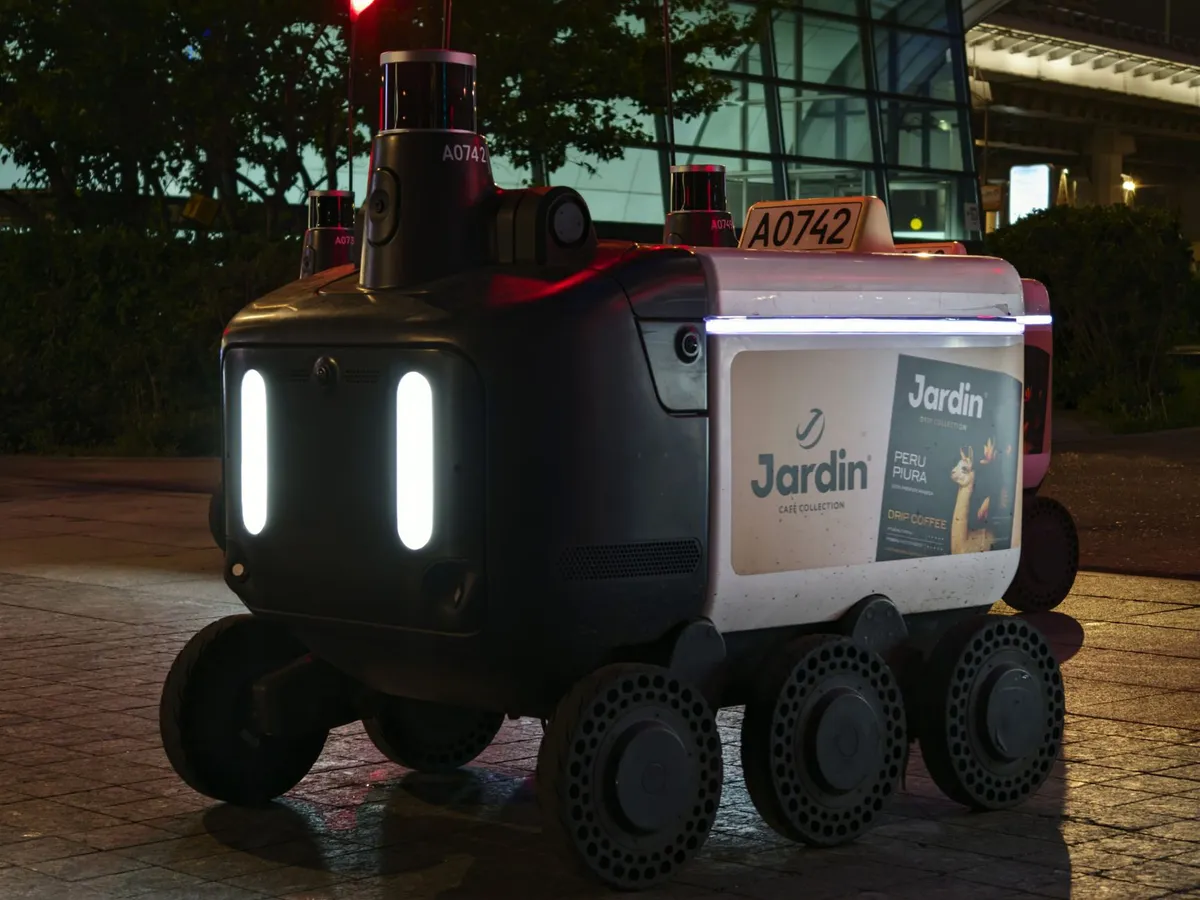
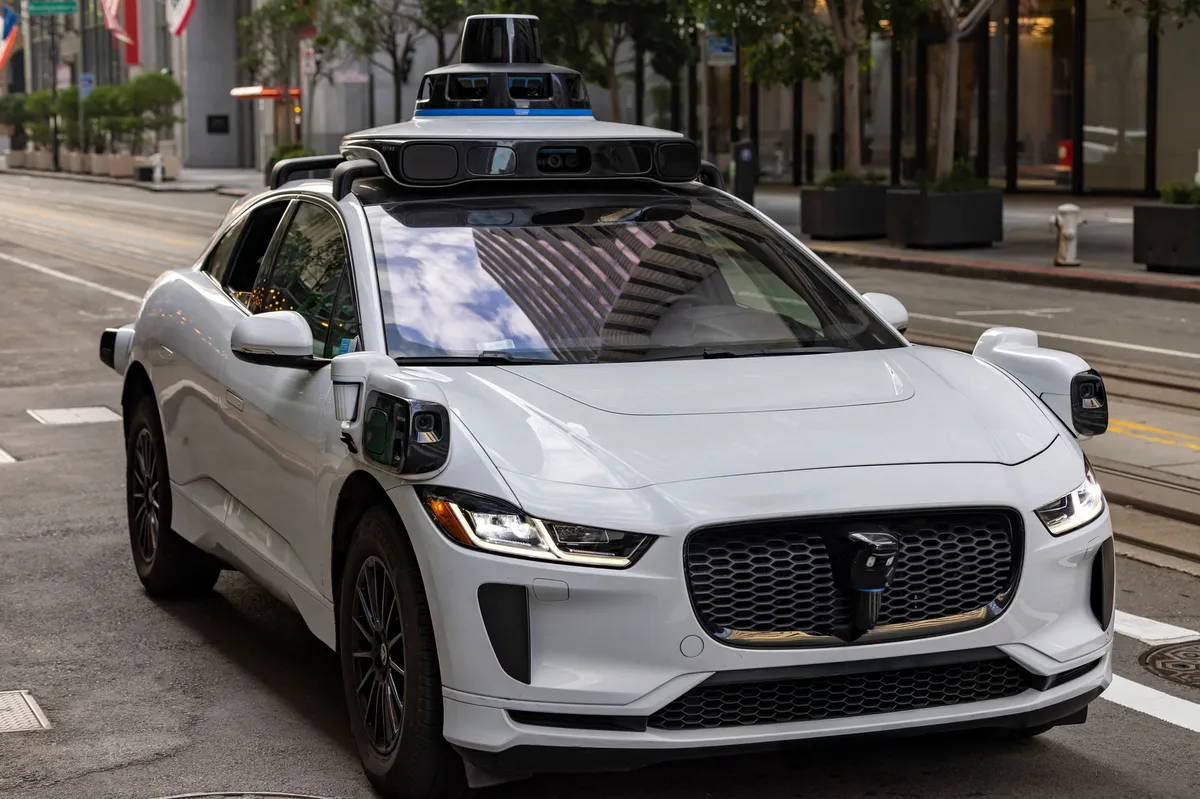
Zoox's vehicle, characterized by its innovative design, features two rows of inward-facing seats and a top speed of 75 miles per hour. This design is pivotal, as it is built from the ground up specifically for autonomous operation, contrasting sharply with existing companies like Tesla and Waymo, which adapt traditional vehicles. According to NHTSA Administrator Jonathan Morrison, the approval allows Zoox to deploy up to 2,500 vehicles over the next two years. However, this exemption does not permit Zoox to sell these vehicles directly to the public.
Safety Considerations
Despite this significant advancement, safety remains a paramount concern. The NHTSA has stipulated that Zoox must adhere to additional reporting requirements, particularly concerning incidents such as crashes or erratic stopping behavior. Morrison emphasized that while the automated driving systems on Zoox vehicles exceed performance requirements of compliant vehicles, there is a continuous need for oversight to ensure operational safety.
The agency retains the authority to revoke the exemption if major safety issues arise, ensuring that proactive measures are in place to monitor the performance of these robotaxis. As part of this monitoring, all remote operators must be located in the United States, and Zoox is required to publish maps indicating where its vehicles will operate.
Impact on the Autonomous Vehicle Market
This approval represents a significant leap not just for Zoox, but for the entire autonomous vehicle market. As companies like Tesla have begun manufacturing their own versions of autonomous vehicles, the regulatory landscape is evolving to accommodate these developments. The NHTSA is working towards establishing comprehensive federal safety standards for automated driving systems, aiming to modernize regulations that were originally crafted with human drivers in mind.
Zoox’s approval is likely to inspire other companies to pursue similar paths, potentially accelerating the timeline for widespread adoption of autonomous ride-hailing services. However, with this rapid advancement comes the responsibility of addressing public concerns regarding safety and reliability.
Challenges Ahead
Despite the optimistic outlook, the approval is not without its challenges. Recent incidents involving autonomous vehicles, including those of competing services, have raised alarms about their interactions with emergency responders and traffic laws. For instance, reports of driverless vehicles obstructing law enforcement activities or failing to navigate school zones have added to the skepticism surrounding the technology.
In light of these issues, NHTSA Administrator Morrison has called upon autonomous vehicle developers to urgently address these safety concerns. He underscored the need for the industry to focus on rectifying patterns of behavior that could compromise safety on the roads. Following these warnings, Zoox took the precautionary step of recalling its fleet of 105 autonomous vehicles to update their software, particularly to enhance their ability to detect heavy smoke and respond appropriately during emergencies.
The Future of Transportation
The approval of Zoox’s robotaxi service represents not just a regulatory milestone, but also a cultural shift in how we perceive transportation. As urban areas continue to grapple with traffic congestion and pollution, the emergence of autonomous vehicles could play a crucial role in reshaping public transit and personal mobility. The convenience of robotaxis could lead to decreased reliance on personal vehicles, potentially reducing road congestion and emissions.
The next few years will be critical in determining how society adapts to these changes. With Zoox leading the charge, the integration of robotaxis into urban landscapes could redefine the commuting experience, offering a glimpse into a future where the need for private car ownership diminishes.
Key Takeaways
- Zoox's Approval: Zoox has received NHTSA approval for commercial deployment of robotaxis without human controls.
- Safety Monitoring: The NHTSA has imposed additional reporting requirements to monitor the safety of Zoox's vehicles.
- Market Impact: This approval could accelerate the timeline for widespread adoption of autonomous ride-hailing services.
- Public Concerns: Ongoing safety issues in the autonomous vehicle sector highlight the need for stringent oversight.
- Future of Mobility: Robotaxis could transform urban transportation, reducing reliance on personal vehicles.
Frequently Asked Questions
What does Zoox's approval mean for the future of autonomous vehicles?
Zoox's approval signifies a major breakthrough for the autonomous vehicle industry. It demonstrates that regulatory bodies are beginning to recognize the potential of fully autonomous systems that do not rely on human intervention. This could lead to faster deployment of similar technologies by other companies, marking a shift in how we think about transportation and mobility in urban environments.
How will safety be monitored for Zoox's robotaxis?
The NHTSA has established several monitoring protocols for Zoox, including mandatory reporting of any incidents or operational issues. The agency will assess the performance of the vehicles and has the authority to revoke the exemption if any significant safety concerns arise. Continuous oversight is crucial to ensure that the vehicles operate safely within the designated areas.
What challenges does Zoox face moving forward?
While the approval is a significant achievement, Zoox must navigate several challenges, including addressing public safety concerns and adapting to regulatory changes. Recent incidents involving autonomous vehicles have raised questions about their interactions with traditional traffic and emergency services. Zoox must proactively work to resolve these issues to build public trust and ensure the long-term success of its robotaxi service.
How will this impact urban transportation?
The emergence of robotaxis like those from Zoox could fundamentally change urban transportation dynamics. If widely adopted, these vehicles could reduce congestion, lower emissions, and transform how people navigate cities. The potential shift away from personal vehicle ownership could lead to more sustainable urban environments, reshaping the future of commuting and public transit.
Comments
Employers Holdings Achieves Stabilization Amid Premium Pullback in Q2 2026
Employers Holdings reports a modest improvement in its loss ratio and significant strategic shifts in its underwriting practices, focusing on small businesses and profitability in Q2 2026.
Related articles



Popular in Business Insurance
- Surging War-Risk Insurance Rates in the Strait of Hormuz: What It Means for Shipping
- Ross & Yerger Insurance Faces Class Action Over Data Breach Allegations
- Sompo Expands U.S. Workers' Compensation Portfolio with Service Insurance Acquisition
- Legal Battle Unfolds Over $1 Million Truck Crash Insurance Payout
- Howden Group's Ambitious Journey Toward IPO and Expansion