Navigating the Future of Data Center Insurance: Emerging Challenges Ahead
As data center projects reach unprecedented scales, insurers face new challenges in business interruption, contractor credit, and power infrastructure. This article explores the complexities and strategies necessary to adapt to these changes.

The rapid expansion of data centers has transformed the landscape of the technology industry, but with this growth comes a myriad of new challenges for the insurance sector. As projects evolve in scale and complexity, insurers must grapple with issues surrounding business interruption, contractor credit, and the intricate web of power infrastructure. With proposed developments now regularly exceeding $20 billion, the stakes are higher than ever, demanding innovative solutions and a robust understanding of the evolving risks involved.
According to Joe Peiser, CEO of risk capital at Aon, the insurance industry is at a critical juncture. What once constituted a large project—a $2 billion data center—is now dwarfed by proposals reaching into the tens of billions. "Now, we're seeing projects worth $20 billion, $30 billion, and $40 billion," Peiser remarked, highlighting that some global developments are even approaching the staggering figure of $100 billion. As the largest such projects frequently arise in the United States, the implications for insurers and stakeholders are profound.
Understanding the Shifting Insurance Landscape
The insurance marketplace for data centers has expanded significantly, with Aon recently increasing its capacity through its Data Center Lifecycle Program (DCLP) to $5 billion. This is a notable enhancement, especially considering that the average construction value of a facility placed through the program is approximately $1.9 billion. However, Peiser cautioned that for some of the more ambitious projects on the horizon, even this increased limit may not suffice. "Third-party financing often requires more insurance than a hyperscaler would typically buy," he explained, pointing to the necessity for better coverage as investors become more involved.
The construction phase of these data centers has traditionally been the primary focus for insurers. However, the reality is that these developments often comprise multiple buildings, each coming online at varying times. This staggered approach introduces a unique challenge: one section of a campus may become operational while construction continues elsewhere, blurring the lines of coverage. Insurers must navigate the risks of overlapping operational and construction coverage, which can lead to potential gaps in protection.

Operational Risks and Business Interruption
The operational phase of data centers raises critical questions about business interruption coverage, particularly for facilities owned and operated by hyperscalers versus those leased to tenants. In leased facilities, expected income can be straightforwardly measured through tenant contracts. In contrast, assessing the financial impact of an outage on an owner-operated facility can be complex and nuanced.
Peiser foresees this area becoming a topic of significant debate within the industry. To address these complexities, he posited that parametric insurance products—those that provide predetermined payments upon reaching specific triggers—could offer a viable solution. While these products may not cover the entirety of a financial loss, they can provide immediate liquidity and certainty, a crucial factor for businesses that may otherwise face lengthy claims adjustments lasting one to two years. "I think buyers will be willing to trade the amount of coverage for certainty of payment," Peiser suggested.
Counterparty Risks and Construction Complexity
As the number of contractors, subcontractors, and suppliers involved in these monumental data center projects increases, so too does the risk of counterparty failure. The complexity of these projects necessitates robust coverage options, including surety bonds and subcontractor default insurance. However, Peiser raised concerns about whether the insurance market possesses sufficient capacity to accommodate the burgeoning volume of development planned globally.
- Insurance marketplace growth: The overall insurance marketplace for data center business has expanded by approximately 50% over the past year.
- Capacity needs: Similar growth may now be required across surety and credit lines to keep pace.
- Market adaptations: Insurers are also exploring catastrophe bonds and insurance-linked securities to provide additional capital.
- Reinsurance strategies: Peiser anticipates that cat bond investors will become involved in reinsurance treaties within six to eight months.

The Power Infrastructure Challenge
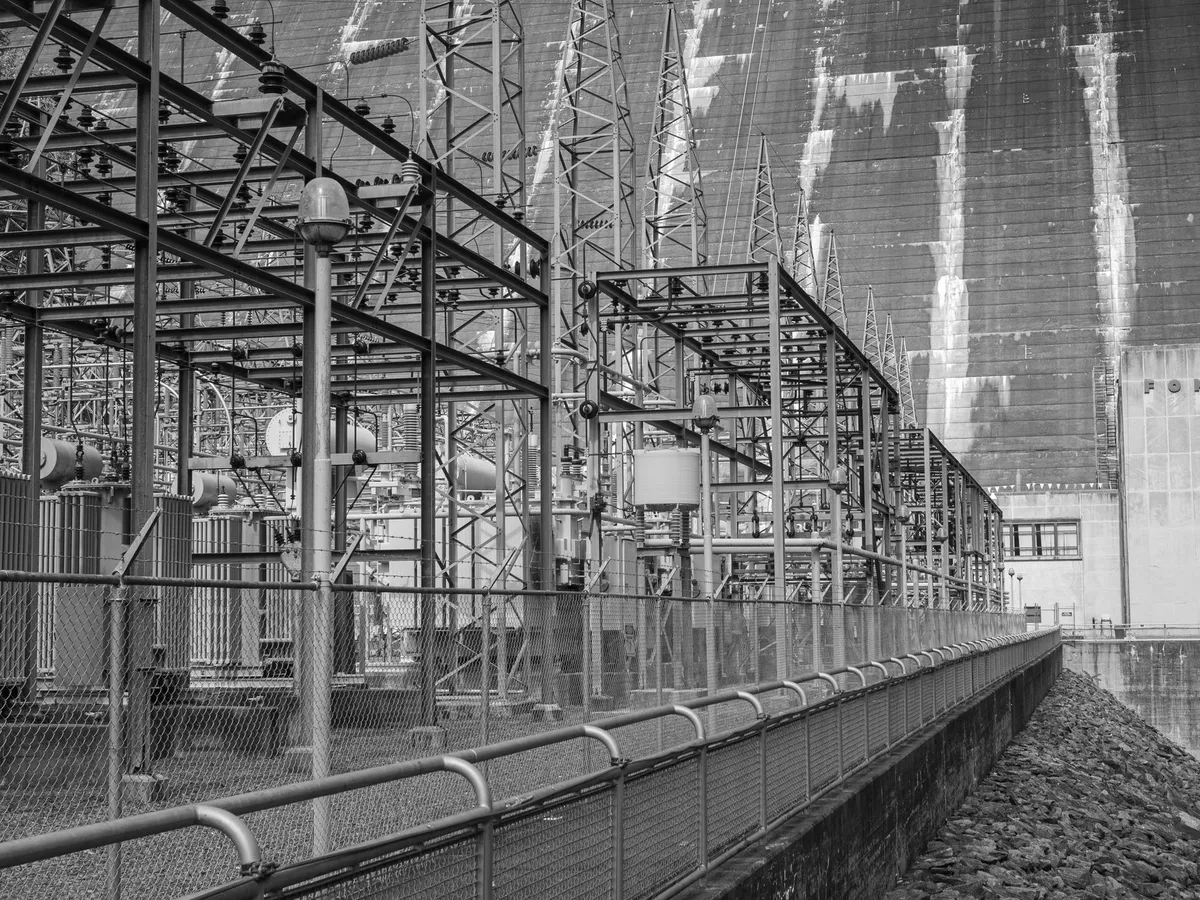
Another significant aspect of this evolving landscape is the increasing reliance on dedicated power generation for data centers. Limited grid availability has prompted many larger developers to incorporate dedicated power plants into their projects, thereby adding another layer of complexity to the insurance equation.
Aon is in the process of developing companion insurance programs specifically tailored for these power generation facilities. Peiser acknowledged the challenges posed by integrating power generation with data center construction, stating, "It is complex, but our industry has dealt with complexity before." The combination of these complexities with the sheer scale of the projects introduces a level of risk that requires careful consideration and strategic foresight.
Strategies for Insurers and Stakeholders
As the data center insurance landscape continues to evolve, stakeholders must employ strategic approaches to mitigate risks and ensure adequate coverage. This involves:
- Thorough risk assessment: Insurers need to conduct comprehensive risk evaluations to understand exposure levels across both construction and operational phases.
- Innovative insurance products: Developing parametric insurance solutions can facilitate quicker responses to business interruptions and streamline claims processes.
- Collaboration with financial partners: Engaging with third-party financiers and investors can help align insurance coverage with evolving project requirements.
- Strengthening underwriting practices: Insurers must refine their underwriting criteria to accommodate the complexities of large-scale data center developments.
Key Takeaways
- The scale of data center projects is rapidly increasing, challenging traditional insurance frameworks.
- Business interruption coverage is becoming increasingly complex, necessitating innovative solutions.
- Counterparty risk and construction complexities require heightened scrutiny and adaptive strategies.
- Dedicated power generation is a growing concern, underscoring the need for specialized insurance coverage.
- Investors and insurers must collaborate closely to navigate the shifting landscape effectively.
Frequently Asked Questions
What are the primary risks associated with data center insurance?
The primary risks associated with data center insurance include business interruption due to outages, contractor credit failures, and challenges related to power infrastructure. As projects scale, the complexity of these risks increases, requiring insurers to develop innovative coverage options to address potential exposures effectively.
How does business interruption coverage vary between leased and owned facilities?
For leased facilities, business interruption coverage is often tied to tenant contracts, making income projections more straightforward. In contrast, owner-operated facilities present a more complicated scenario, as calculating the financial impact of outages can be less predictable, leading to potential disputes regarding coverage and claims.
What role do parametric insurance products play in this market?
Parametric insurance products offer predefined payouts based on specific triggers, providing a way for businesses to secure immediate liquidity in the event of a business interruption. While these products may not cover the entire financial loss, they are increasingly appealing for their speed and certainty in claims resolution, which is critical in the fast-paced data center environment.
How are insurers adapting to the complexities of large-scale data centers?
Insurers are adapting by conducting thorough risk assessments, developing innovative insurance products, and strengthening underwriting practices to manage the unique exposures associated with large-scale data centers. Collaborating with financial partners and exploring alternative capital sources, such as catastrophe bonds, are also essential strategies for navigating the evolving landscape.
Comments
Employers Holdings Achieves Stabilization Amid Premium Pullback in Q2 2026
Employers Holdings reports a modest improvement in its loss ratio and significant strategic shifts in its underwriting practices, focusing on small businesses and profitability in Q2 2026.

Related articles





Popular in Business Insurance
- Surging War-Risk Insurance Rates in the Strait of Hormuz: What It Means for Shipping
- Ross & Yerger Insurance Faces Class Action Over Data Breach Allegations
- Sompo Expands U.S. Workers' Compensation Portfolio with Service Insurance Acquisition
- Legal Battle Unfolds Over $1 Million Truck Crash Insurance Payout
- Howden Group's Ambitious Journey Toward IPO and Expansion