How Cyclosporiasis Fears Are Impacting Lettuce Sales and Restaurant Foot Traffic
A recent outbreak of cyclosporiasis linked to iceberg lettuce has caused a significant decline in restaurant patronage and lettuce sales across the U.S. Consumers are reacting with caution, leading to a ripple effect in the food industry.

In recent weeks, a serious outbreak of cyclosporiasis, a parasitic infection known to cause debilitating gastrointestinal symptoms, has triggered alarm among U.S. diners and grocery shoppers alike. Linked to iceberg lettuce served at Taco Bell restaurants, the outbreak has not only raised concerns about food safety but has also led to a noticeable decline in consumer confidence. As reports of illness continue to rise, foot traffic in restaurants and fresh produce sales have taken a significant hit, illustrating the broader implications of foodborne illnesses on public behavior and the economy.
The outbreak has been traced back to Taylor Farms, a major supplier of lettuce whose operations are based in central Mexico. Despite the company’s efforts to recall potentially contaminated products, the situation remains fluid, with the Centers for Disease Control and Prevention (CDC) reporting over 6,700 confirmed cases and more than 11,500 suspected cases across the U.S. As health authorities investigate the situation further, consumers are left grappling with confusion and fear, leading to decreased sales of lettuce and a decline in visits to restaurants heavily reliant on these greens.
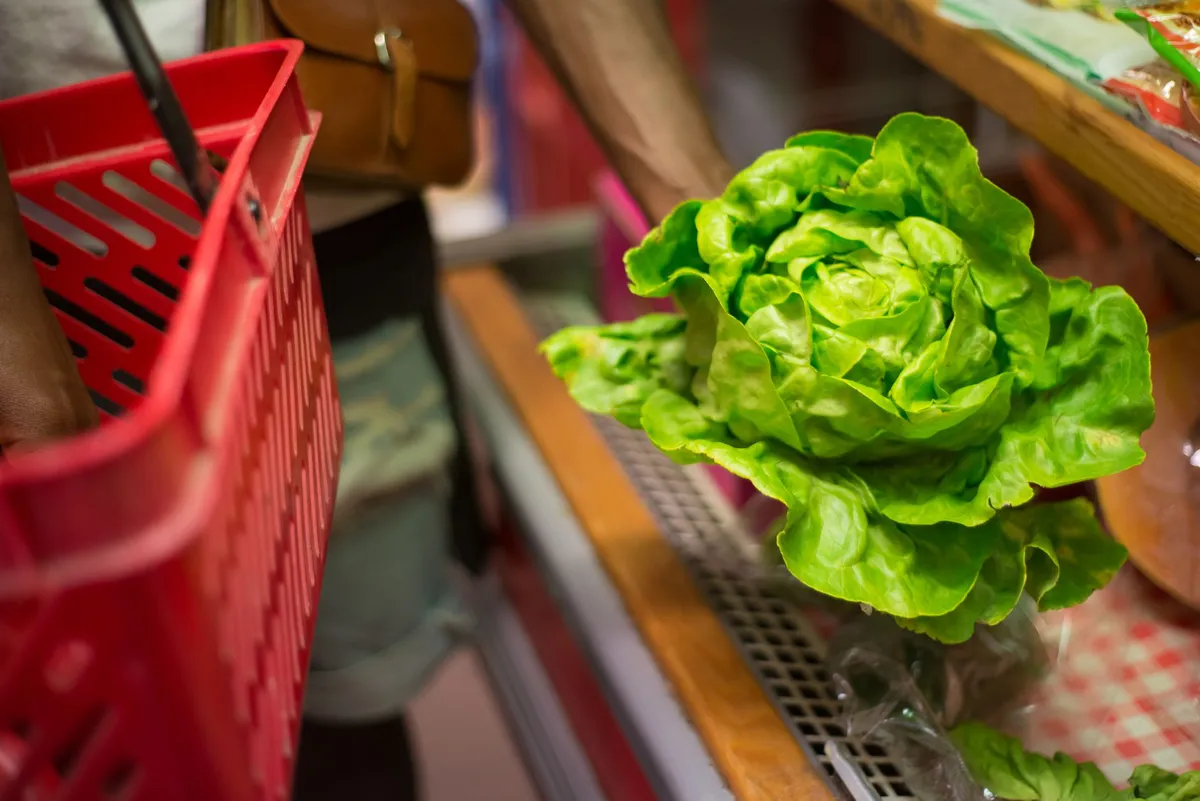
The Cyclosporiasis Outbreak: What You Need to Know
Cyclosporiasis is caused by the Cyclospora parasite, which spreads through contaminated food or water. Symptoms can include severe diarrhea, cramping, and nausea, often lasting several weeks. According to health experts, the infection is particularly concerning because it can result from a variety of contaminated foods, not just lettuce. In the current outbreak, parsley and cilantro have also been implicated in some cases, raising alarm about the safety of multiple fresh produce items.
Current Statistics and Impact
The CDC’s data paints a concerning picture:
- **Confirmed Cases:** 6,707 laboratory-confirmed cases of cyclosporiasis.
- **Suspected Cases:** More than 11,500 suspected cases reported.
- **Affected States:** Michigan has reported some of the highest numbers, with 9,680 cases as of July 2026.
- **Sales Decline:** Lettuce sales dropped by 19% over a two-week span, reflecting consumer apprehension.
With these alarming statistics, consumers are rightfully wary of dining out or purchasing fresh produce, particularly items sourced from areas linked to the outbreak.

Effects on Restaurant Chains and Consumer Behavior
Foot traffic at popular restaurant chains has seen a dramatic decrease since the outbreak was first reported. Taco Bell, for example, experienced a staggering 20.8% drop in foot traffic on July 23 compared to previous averages. Other chains like Chipotle and Panera Bread also reported declines of 1.4% and 3.1%, respectively. This reduced patronage is a direct response to consumer fears regarding food safety.
Why Consumers Are Hesitating
Health officials have advised that healthy adults can continue to consume leafy greens, provided they are not in heavily affected areas like Michigan. Dr. Tyler Evans, a public health expert, emphasized the nutritional benefits of leafy greens while acknowledging the legitimate concerns caused by the outbreak. However, many consumers remain hesitant, driven by fear rather than informed decision-making. The impact on restaurants is multifaceted:
- Health Concerns: The fear of illness is leading diners to choose home-cooked meals over eating out.
- Reputational Damage: Restaurants associated with the outbreak may face long-term consequences, even after the situation is resolved.
- Market Shift: Many consumers are opting for grocery shopping over dining, leading to a shift in the food industry landscape.
The Broader Economic Impact
As sales of lettuce and other fresh produce decline, the ripple effects are felt throughout the agricultural and dining sectors. Paul Sellew, CEO of Little Leaf Farms, noted that sales of lettuce have plunged by double digits as consumers opt for safer alternatives. He emphasized the importance of educating consumers about safe production practices. Little Leaf Farms, for instance, employs stringent measures such as:
- Using only potable water or collected rainwater for irrigation.
- Implementing ultraviolet disinfection processes to ensure safety.
- Utilizing automation to minimize human contact with the produce.
Such practices aim to reassure customers that not all leafy greens pose the same risk and to encourage a return to normal consumption patterns.
What Consumers Should Do
In light of the ongoing outbreak, consumers should take several proactive steps to safeguard their health while remaining informed about food safety:
- Stay Informed: Keep up with updates from the CDC and local health departments regarding the outbreak and any potential food recalls.
- Practice Safe Food Handling: Wash all produce thoroughly before consumption, regardless of its source.
- Consider Alternatives: Explore locally sourced or greenhouse-grown produce that may have different safety protocols.
- Support Local Businesses: If you feel comfortable, consider supporting local restaurants that prioritize food safety and transparency.

Key Takeaways
- **Outbreak Impact:** Cyclosporiasis outbreak linked to lettuce has led to decreased sales and foot traffic.
- **Consumer Caution:** Many diners are avoiding restaurants and fresh produce due to health concerns.
- **Safety Measures:** Educating consumers about safe food production is crucial for rebuilding trust.
- **Proactive Steps:** Consumers should remain informed and practice safe food handling.
Frequently Asked Questions
What is cyclosporiasis, and how can it be prevented?
Cyclosporiasis is an intestinal infection caused by the Cyclospora parasite, typically contracted through contaminated food or water. To prevent infection, it is essential to wash all produce thoroughly, be cautious about where you dine, and stay updated on food safety advisories regarding outbreaks. Ensuring proper food handling and hygiene can significantly reduce the risk of infection.
What should I do if I experience symptoms of cyclosporiasis?
If you experience symptoms such as severe diarrhea, cramping, or nausea, it is important to seek medical attention. A healthcare professional can diagnose the condition and provide appropriate treatment. Keeping a record of your recent food consumption can help your doctor understand potential sources of infection.
Are all types of lettuce affected by the outbreak?
While the current outbreak has been linked specifically to iceberg lettuce from Taylor Farms, it is essential to be vigilant about all types of leafy greens. Health officials have reported that other items, such as parsley and cilantro, may also be implicated. Consumers should stay informed and exercise caution when purchasing and consuming any fresh produce.
How can I support restaurants during this outbreak?
To support restaurants during this difficult time, consider ordering takeout or delivery from establishments that prioritize food safety and transparency. Check their sourcing practices and food safety measures to ensure you are making informed choices. Supporting local businesses can help them weather the storm as they navigate the challenges presented by the outbreak.
Comments
Hippo Holdings Reports Strong Growth and Profitability in 2026
Hippo Holdings has announced its fifth consecutive profitable quarter, showcasing impressive growth in gross written premiums and a strategic shift towards a diversified insurance platform. The company’s financial performance indicates a significant turnaround from previous years, positioning it uniquely in the insurtech landscape.

Related articles






Popular in Business Insurance
- Surging War-Risk Insurance Rates in the Strait of Hormuz: What It Means for Shipping
- Ross & Yerger Insurance Faces Class Action Over Data Breach Allegations
- Sompo Expands U.S. Workers' Compensation Portfolio with Service Insurance Acquisition
- Legal Battle Unfolds Over $1 Million Truck Crash Insurance Payout
- Howden Group's Ambitious Journey Toward IPO and Expansion