Red Lobster's Endless Shrimp Promotion Sparks Legal Battle
The former owner of Red Lobster, Thai Union Group, claims the infamous Endless Shrimp promotion was not its idea, as it faces a lawsuit from creditors following the chain's bankruptcy. This article explores the intricacies of the case, the restaurant's financial struggles, and the implications for the casual dining industry.
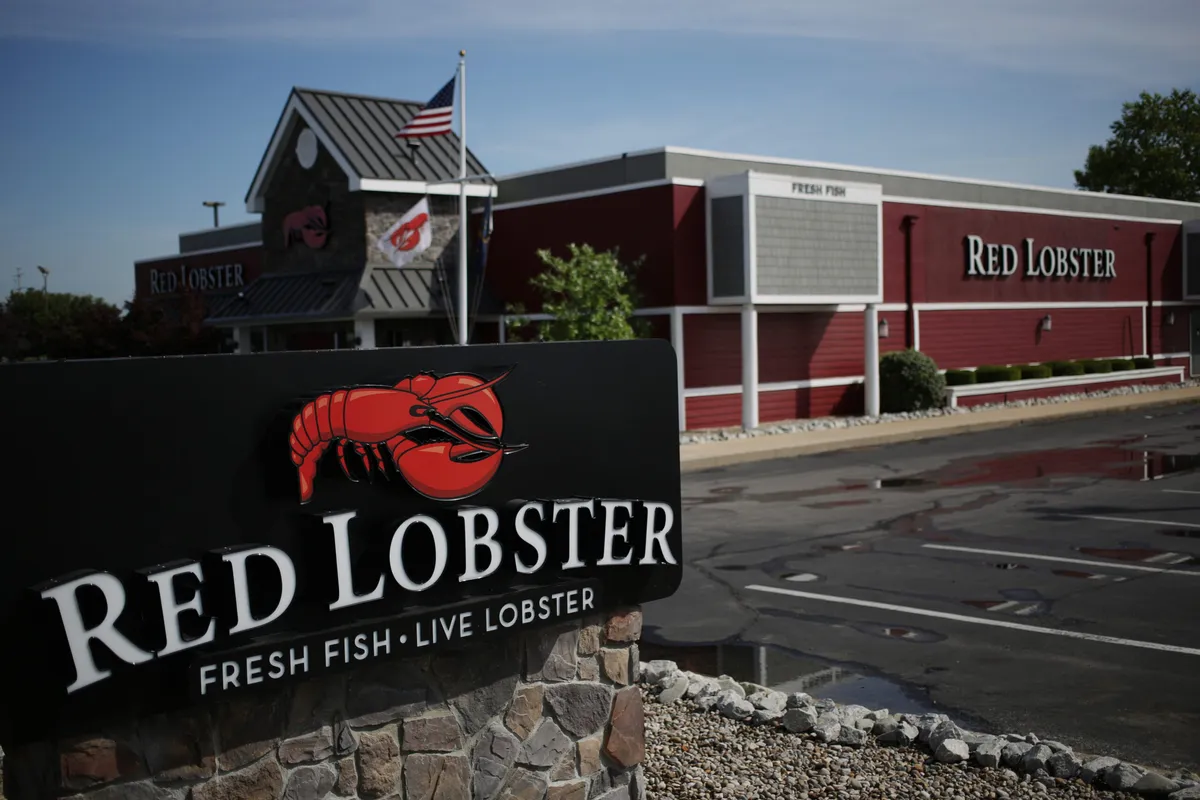
In a surprising turn of events, former Red Lobster owner Thai Union Group Plc has stepped forward to assert that the infamous $20 all-you-can-eat shrimp promotion, which many attribute as a contributing factor to the chain's financial woes, was not its brainchild. This revelation comes amidst a swirling lawsuit from a creditor trust representing parties owed approximately $295 million when Red Lobster filed for Chapter 11 bankruptcy in 2024. The litigation not only highlights the complexities of corporate accountability but also sheds light on the broader challenges facing the casual dining sector in a post-pandemic economy.
Thai Union, a major player in the seafood supply chain, argues that the Endless Shrimp promotion was a desperate measure taken by Red Lobster's management in response to declining customer traffic and escalating operational costs. As the restaurant industry struggles to recover from the impacts of the COVID-19 pandemic, this legal dispute raises important questions about liability, management decisions, and the future of well-known dining establishments.
The Essence of the Lawsuit
The lawsuit in question is filed by a trust representing unsecured creditors, including vendors and food distributors, who claim that Thai Union exploited Red Lobster during its financial decline. They are seeking to unwind $32 million in transactions that they allege were forced upon Red Lobster by Thai Union and other entities. This legal action underscores the tensions between creditors and corporate ownership, particularly in the wake of a bankruptcy that has left many stakeholders reeling.
Claims and Counterclaims
Thai Union's defense hinges on the assertion that it was not responsible for the decisions that led to the Endless Shrimp promotion. According to court documents, the company’s legal representatives argue that the promotion was initiated by Red Lobster's management as a strategy to combat falling guest traffic. This tactic was employed at a time when the chain was facing significant challenges, including a 30% decline in customer visits from 2019 to 2024, rising labor costs, and burdensome lease obligations. In fact, in 2023 alone, Red Lobster incurred approximately $190.5 million in lease payments for 687 locations, many of which were reportedly above market rates.
Financial Context and Casual Dining Trends
The legal battle surrounding Red Lobster is emblematic of larger trends within the casual dining sector, which has seen a seismic shift in consumer preferences in recent years. The pandemic accelerated changes in dining habits, with many consumers opting for takeout and delivery options over traditional dining experiences. This shift has put immense pressure on restaurants that rely heavily on in-house dining, and Red Lobster is no exception.
Market Pressures
- Declining Traffic: Red Lobster's customer count has dropped significantly, particularly during the pandemic, reflecting broader trends in the restaurant industry.
- Rising Costs: Increases in labor, food, and operational costs have significantly impacted profit margins for casual dining establishments.
- Lease Obligations: Many restaurants, including Red Lobster, are tied to long-term leases that hinder their ability to pivot quickly in response to market conditions.
As part of its defense strategy, Thai Union has also referenced a 2024 internal investigation conducted by an independent law firm. The findings reportedly exonerated Thai Union from any wrongdoing related to the Endless Shrimp promotion, suggesting that Red Lobster management had acted independently in its decision-making. This investigation is pivotal in shaping the narrative around accountability and responsibility in corporate governance.
The Impact of Corporate Structure on Legal Responsibility
The complexities of corporate ownership and management decisions often blur the lines of liability, especially in cases involving financial distress. Thai Union made a minority investment in Red Lobster in 2016 and acquired full ownership in 2020, a move that it now states was too significant to jeopardize for a few additional shrimp sales. This assertion raises questions about the motivations behind the Endless Shrimp promotion and whether it was a misguided attempt by management to salvage a sinking ship.
Management Dynamics
Compounding the issue, the lawsuit alleges that Thai Union's representatives exerted undue influence over Red Lobster's operations. For instance, it was reported that Paul Kenny, a shareholder and restaurant executive at Thai Union, presented himself as the decision-maker at Red Lobster, leading to confusion over who was steering the ship amid tumultuous waters. This dynamic is crucial in understanding the broader implications of the lawsuit—if management decisions were influenced by external parties, it complicates the accountability narrative and raises concerns over the governance structures within large corporations.

Future Implications for Red Lobster and the Industry
As Red Lobster embarks on a turnaround effort under its current CEO, Damola Adamolekun, the chain has reintroduced the Endless Shrimp promotion as a limited-time offer, aiming to attract diners back to its restaurants. However, the outcome of the ongoing legal battle will likely have ramifications beyond Red Lobster, potentially influencing other casual dining establishments grappling with similar challenges. The case could set precedents regarding corporate accountability, especially in the context of bankruptcy and creditor rights.
Industry-Wide Concerns
The broader implications of this lawsuit could reverberate across the casual dining industry. With many restaurants still navigating the aftermath of the pandemic, the outcomes of this case may inform how businesses approach promotions, pricing strategies, and financial management in uncertain times. Furthermore, it highlights the need for transparency and clear delineation of responsibilities within corporate governance.
Key Takeaways
- The Endless Shrimp promotion was initiated by Red Lobster management, not its former owner Thai Union.
- Red Lobster's bankruptcy has left creditors seeking $295 million, complicating the legal landscape.
- The lawsuit raises important questions about corporate accountability and management decisions.
- Industry trends show a significant shift in consumer dining preferences, impacting restaurant profitability.
- Future decisions by Red Lobster could set precedents for the casual dining sector.
Frequently Asked Questions
What led to Red Lobster's bankruptcy?
Red Lobster's bankruptcy was primarily driven by a combination of declining guest traffic, rising operational costs, and burdensome lease obligations. The COVID-19 pandemic accelerated these issues, as consumer preferences shifted away from casual dining towards takeout and delivery options.
What are the implications of the lawsuit for Red Lobster?
The lawsuit may have significant implications for Red Lobster, particularly concerning corporate accountability and management decisions. Depending on the outcome, it could affect how other casual dining establishments manage their operations and promotions in the future, especially in financially precarious situations.
How does the Endless Shrimp promotion fit into the legal case?
The Endless Shrimp promotion is at the center of the legal dispute, with creditors alleging it was a misguided strategy imposed by Thai Union to exploit Red Lobster. Thai Union counters that the promotion was a decision made by Red Lobster management to combat declining traffic and rising costs, thus distancing itself from the blame.
What lessons can other restaurants learn from Red Lobster's experience?
Other restaurants can take valuable lessons from Red Lobster's experience, particularly the importance of understanding market trends, consumer behavior, and the financial implications of promotional strategies. Maintaining transparency in corporate governance and clear communication between management and ownership is crucial for navigating challenging economic conditions.
Comments
Hippo Holdings Reports Strong Growth and Profitability in 2026
Hippo Holdings has announced its fifth consecutive profitable quarter, showcasing impressive growth in gross written premiums and a strategic shift towards a diversified insurance platform. The company’s financial performance indicates a significant turnaround from previous years, positioning it uniquely in the insurtech landscape.

Related articles





Popular in Business Insurance
- Surging War-Risk Insurance Rates in the Strait of Hormuz: What It Means for Shipping
- Ross & Yerger Insurance Faces Class Action Over Data Breach Allegations
- Sompo Expands U.S. Workers' Compensation Portfolio with Service Insurance Acquisition
- Legal Battle Unfolds Over $1 Million Truck Crash Insurance Payout
- Howden Group's Ambitious Journey Toward IPO and Expansion