Edison International Faces Scrutiny Over 2025 LA Wildfire Liability
Edison International is under fire for its potential role in the devastating 2025 Eaton Fire near Los Angeles. With lawsuits from over 10,000 plaintiffs, the company navigates the complex landscape of liability, insurance claims, and regulatory frameworks as it prepares for potential financial repercussions.
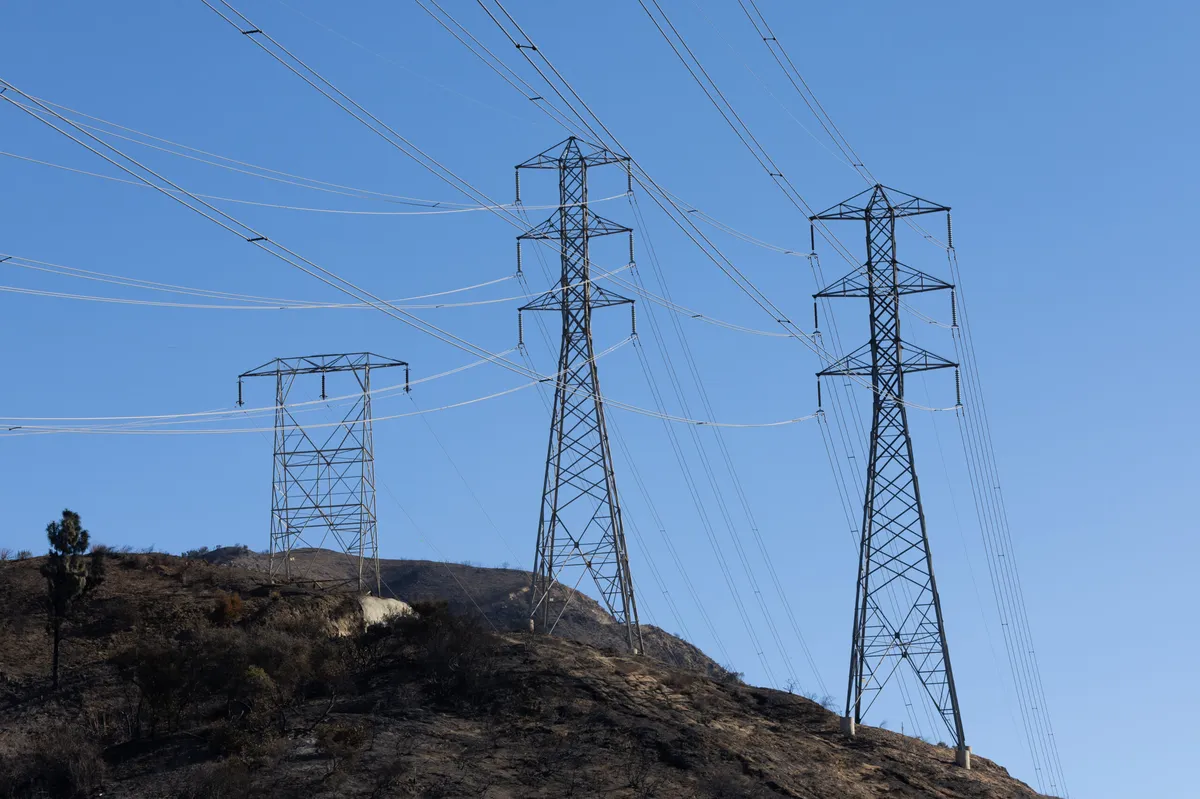
The aftermath of the 2025 Eaton Fire in Los Angeles has left a scar on the community, claiming 19 lives and destroying countless properties. As investigations unfold, Edison International, the utility company linked to the fire, is facing intense scrutiny regarding its equipment's role in the disaster. CEO Pedro Pizarro recently acknowledged that the company’s equipment is likely to be associated with the fire, a significant shift from previous statements. This development raises critical questions about corporate responsibility, regulatory frameworks, and the mechanics of insurance claims in the wake of catastrophic events.
In a quarterly earnings report, Pizarro stated, "no other viable alternatives have appeared" to explain the ignition of the Eaton Fire, implying that Southern California Edison (SCE) may be held accountable for the damages incurred. This acknowledgment comes amidst ongoing lawsuits from over 10,000 plaintiffs, including homeowners, businesses, and local governments, all alleging that SCE's equipment was responsible for the wildfire.
Understanding the Shift in Edison’s Position
Historically, SCE has maintained a defensive stance regarding liability, initially stating that its equipment "could have been" responsible for the fire. However, the recent change to "likely associated" indicates a possible acknowledgment of accountability that could have significant legal and financial implications. Such linguistic nuances may reflect the company's evolving position as more evidence comes to light, but they also suggest a recognition of the mounting pressure from plaintiffs and regulatory bodies.
The Legal Landscape
The legal ramifications of the Eaton Fire are extensive. Plaintiffs are fighting for claims that could amount to billions of dollars in damages. The firm has faced various lawsuits, with each plaintiff seeking compensation for loss of life, property damage, and emotional distress. The challenge for Edison lies not only in defending itself against these claims but also in navigating California’s complex liability laws related to utility companies.
In California, utilities can be held liable for wildfire damages under the state's inverse condemnation laws, which allow victims to claim damages when public utilities’ equipment causes harm. The burden of proof often shifts to the utility provider to demonstrate that it took adequate measures to prevent such disasters.
Insurance and Financial Implications
To cover its potential liabilities from the Eaton Fire, Edison is relying on a California wildfire fund established in 2019. This fund was designed to prevent financial collapse among investor-owned utilities while ensuring that wildfire victims receive compensation. However, Edison must first absorb the initial $1 billion of claims through its own customer-funded self-insurance program before accessing the fund.
As CFO Aaron Moss explained, Edison is already using a "pre-funding mechanism" to manage its financial exposure. This means that the company is currently making payments to victims and settlements with insurance companies to meet the initial threshold. Once it hits the $1 billion mark, it can tap into the wildfire fund, which was recently bolstered by an additional $18 billion through new legislation.
Impact on Ratepayers and Shareholders
The financial structure of the wildfire fund means that both ratepayers and shareholders of California’s investor-owned utilities are directly impacted. The fund's expansion was partially funded by rate increases, which means consumers could see higher utility bills as the state grapples with the escalating costs of wildfire responses. Additionally, shareholders also bear a portion of this financial burden, potentially affecting Edison’s stock performance and dividend payouts.
- Initial Claims Responsibility: Edison is liable for the first $1 billion in claims.
- California Wildfire Fund: The fund has been expanded to $39 billion, aiming to provide financial support for utility companies.
- Legal Challenges Ahead: Over 10,000 lawsuits are pending against Edison related to the Eaton Fire.
- Ratepayer Impact: Increased utility bills may result from the fund's expansion.

Community and Regulatory Response
The community around Pasadena, where the Eaton Fire had its devastating impact, continues to grapple with the consequences of the disaster. Local governments are advocating for stronger regulations on utility companies to prevent future calamities. This includes calls for enhanced safety measures, investment in infrastructure upgrades, and more stringent oversight of utility operations.
Regulatory agencies in California, such as the California Public Utilities Commission (CPUC), are also under pressure to enforce stricter regulations on how utilities manage their equipment, especially in fire-prone areas. The CPUC has been examining the practices of various utilities, including how they respond to fire risks and maintain their equipment.
Public Sentiment and Accountability
The public’s perception of utility companies, particularly Edison, has shifted significantly due to the Eaton Fire. Many residents feel a sense of betrayal, believing that the utility providers prioritize profits over safety. This sentiment may lead to increased support for legislative changes aimed at holding utilities accountable for their role in wildfire ignitions.
As the legal battles unfold and regulatory scrutiny increases, the question of accountability looms large. Will Edison and other utility companies be held accountable for their role in the destruction caused by wildfires, or will they continue to navigate the legal landscape to deflect responsibility? The answers to these questions will shape the future of utility regulations in California and the broader landscape of wildfire prevention.
Key Takeaways
- Edison International acknowledges its equipment may have caused the Eaton Fire, shifting from a defensive stance.
- Over 10,000 lawsuits are pending against the company, seeking compensation for extensive damages.
- The California wildfire fund is critical for covering claims, but Edison is initially liable for $1 billion.
- Ratepayers and shareholders will likely bear the financial brunt of expanded wildfire fund costs.
Frequently Asked Questions
What are the implications of Edison admitting its equipment likely caused the fire?
By acknowledging that its equipment is likely associated with the Eaton Fire, Edison is opening itself up to greater liability for damages. This shift in language may bolster the claims from plaintiffs and strengthen the case against the company in court, potentially resulting in larger settlements or judgments against Edison. The legal ramifications will depend heavily on the evidence presented during the ongoing investigations and trials.
How does the California wildfire fund work?
The California wildfire fund is designed to protect investor-owned utilities from catastrophic financial losses due to wildfire-related damages. Established in 2019, it allows utilities to access funds after they have absorbed the first $1 billion in claims. The fund was recently increased to $39 billion, providing a safety net for utility companies while ensuring that victims receive compensation. This mechanism aims to stabilize the financial health of utilities while also addressing the needs of affected communities.
What can victims of the Eaton Fire expect in terms of compensation?
Victims of the Eaton Fire can expect to seek compensation through various avenues, including direct claims against Edison and potential payouts from the California wildfire fund. However, the process can be complex and lengthy, involving negotiations and legal proceedings. Victims are encouraged to document their losses thoroughly and seek legal counsel to navigate the claims process effectively.
Comments
Hippo Holdings Reports Strong Growth and Profitability in 2026
Hippo Holdings has announced its fifth consecutive profitable quarter, showcasing impressive growth in gross written premiums and a strategic shift towards a diversified insurance platform. The company’s financial performance indicates a significant turnaround from previous years, positioning it uniquely in the insurtech landscape.

Related articles





Popular in Business Insurance
- Surging War-Risk Insurance Rates in the Strait of Hormuz: What It Means for Shipping
- Ross & Yerger Insurance Faces Class Action Over Data Breach Allegations
- Sompo Expands U.S. Workers' Compensation Portfolio with Service Insurance Acquisition
- Legal Battle Unfolds Over $1 Million Truck Crash Insurance Payout
- Howden Group's Ambitious Journey Toward IPO and Expansion