EEOC Proposal to End Worker Demographic Reporting: Implications and Reactions
The EEOC's recent proposal to eliminate mandatory reporting of worker race and sex data has sparked debate. This move could significantly impact civil rights enforcement and workplace equity.
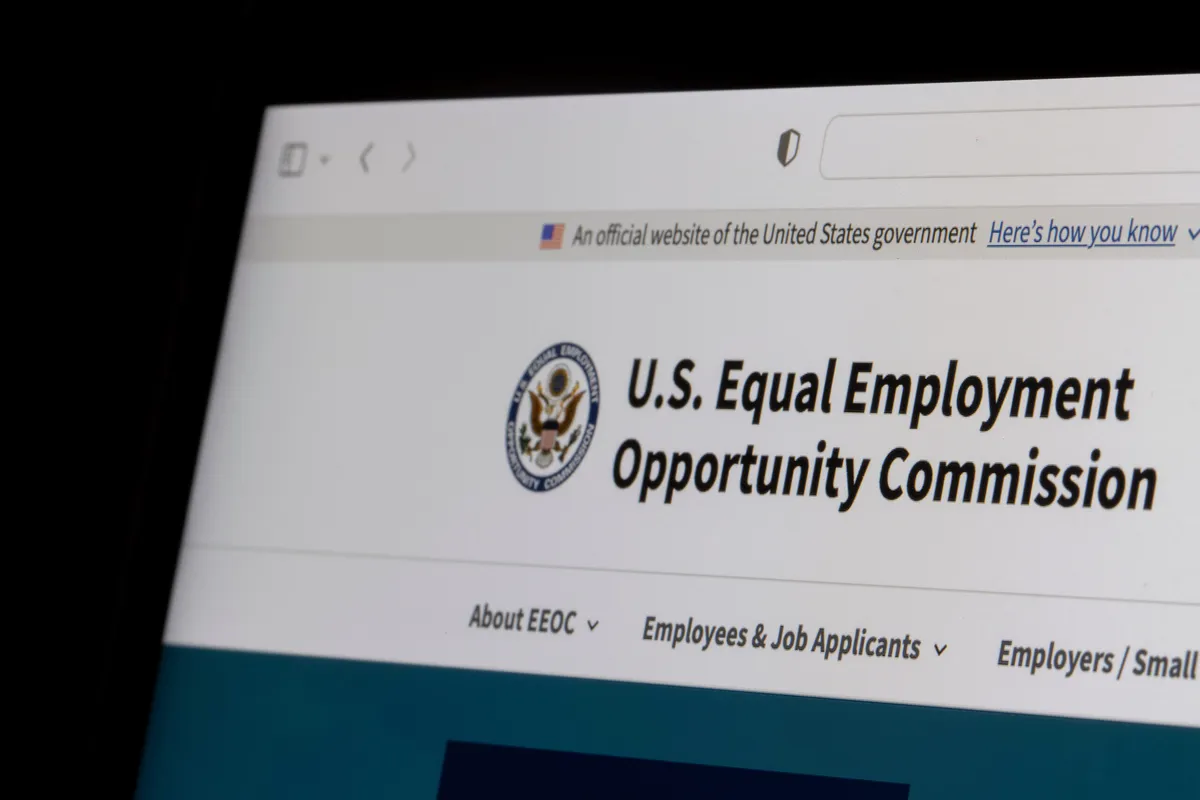
The Equal Employment Opportunity Commission (EEOC) has taken a significant step that could reshape the landscape of workplace discrimination enforcement in the United States. In a recent vote, the agency proposed to eliminate the requirement for employers to report data on the race and sex of their workers. This practice, known as EEO-1 reporting, has been in place since the 1960s and serves as a cornerstone for monitoring civil rights in the workplace. The proposal has stirred a contentious debate among policymakers, civil rights advocates, and business leaders alike.
Led by Republican appointees, the EEOC's decision reflects a broader shift in priorities under the current administration, which has emphasized a move away from diversity and inclusion initiatives. The implications of this proposal are far-reaching, affecting not only employers and employees but also the legal framework surrounding workplace equality and discrimination.

A Historical Context of EEO-1 Reporting
Since its inception in 1966, EEO-1 reporting has been an essential tool for the EEOC and state-level counterparts to investigate discrimination complaints and identify patterns of discriminatory behavior among employers. The data collected helps ensure that companies are held accountable for their hiring and employment practices, particularly concerning historically marginalized groups.
Employers with 100 or more employees are required to submit this data annually, detailing the demographic composition of their workforce. The EEO-1 forms provide insights into how various demographics are represented across different job categories and levels within organizations. Over the decades, these reports have contributed to a more equitable workplace by highlighting disparities and prompting investigations into discriminatory practices.

The Proposed Rule Change: What It Entails
The recent vote by the EEOC to publish a proposed rule to eliminate EEO-1 reporting was not a unanimous decision. The commission voted 2-1, with Chair Andrea Lucas, a Trump appointee, advocating for the change. Lucas argues that the collection of demographic data can inadvertently promote discrimination, particularly against majority groups, by creating a perception of quotas or unjust preferential treatment.
The proposed rule also seeks to eliminate similar reporting requirements for unions, state and local governments, and public schools. However, it will not abolish the existing federal law mandate that requires employers to maintain records related to employment practices. This means that while the public reporting aspect may be withdrawn, employers will still be obligated to keep track of this information internally.
Cost Implications for Employers
The EEOC estimates that rescinding these reporting requirements could save U.S. employers nearly $275 million annually. Additionally, the agency projects a reduction of $4 million in its operational costs. Proponents of this change argue that removing these burdensome requirements allows businesses to redirect resources toward growth and development rather than compliance.

Reactions from Stakeholders
The proposal has drawn sharp criticism from various stakeholders, particularly civil rights groups and Democratic commissioners within the EEOC. Kalpana Kotagal, the Democratic member of the commission, voted against the proposal, asserting that eliminating this data collection would hinder the EEOC's efforts to combat discrimination and send a negative message about the importance of civil rights protections in the workplace.
Critics of the proposal argue that removing demographic reporting will make it more challenging to identify and address discrimination effectively. Katie Sandson, a senior counsel at the National Women’s Law Center, expressed concern that the removal of demographic data would obscure the realities of workplace discrimination, allowing the EEOC to prioritize political agendas over factual evidence of discriminatory practices.
- Loss of Accountability: Without demographic reporting, it becomes harder to hold employers accountable for discriminatory practices.
- Potential for Increased Discrimination: Critics worry that the lack of data will make it easier for discriminatory practices to go unchecked.
- Political Motivations: The change may reflect a broader political agenda aimed at diminishing diversity initiatives.
- Future Prospects: A potential future Democratic administration may seek to reinstate these reporting requirements.
What’s Next for EEO-1 Reporting?
The proposal is currently in its public comment period, allowing various stakeholders to voice their opinions and concerns. If finalized, the rule could take effect later this year. However, the backlash from civil rights advocates indicates that the debate is far from over. Many believe that the consequences of this decision could hinder progress toward workplace equality and protection against discrimination.
Employers and businesses should remain vigilant during this period. While they may welcome the removal of reporting requirements as a cost-saving measure, it is essential for them to continue to monitor their employment practices internally to ensure compliance with anti-discrimination laws. The data they are currently required to collect can still serve as a valuable tool for self-assessment and improvement.

Key Takeaways
- EEOC's Proposal: The EEOC has proposed ending mandatory reporting of worker race and sex data.
- Impacts on Civil Rights: Critics warn this could hinder the agency's ability to address discrimination effectively.
- Cost Savings: The proposed change could save employers nearly $275 million annually.
- Future Changes Possible: A Democratic administration may seek to reinstate EEO-1 reporting requirements.
Frequently Asked Questions
What is EEO-1 reporting?
EEO-1 reporting is a requirement for employers with 100 or more employees to submit annual data on the demographic composition of their workforce, specifically regarding race and sex. This data is used by the EEOC to monitor compliance with civil rights laws and to investigate discrimination complaints.
How will the proposed rule change impact employers?
If the proposed rule is finalized, employers will no longer need to submit EEO-1 reports, potentially saving them significant costs associated with collecting and submitting this data. However, they will still be required to maintain records related to employment practices under federal law.
What are the potential risks of eliminating demographic reporting?
Eliminating demographic reporting may make it more challenging to identify and address workplace discrimination. Without this data, the EEOC and other organizations may struggle to hold employers accountable for discriminatory practices, potentially leading to an increase in unaddressed discrimination in the workplace.
Can the reporting requirement be reinstated in the future?
Yes, if there is a change in administration or a shift in political priorities, the requirement could be reinstated. A future Democratic administration may prioritize civil rights protections and seek to re-establish EEO-1 reporting as a critical tool for monitoring workplace equality.
Comments
Insurer's Right to Void Policies: A Case Study on Misrepresentation
A recent New York appeals court ruling highlights the consequences of misrepresentation on insurance applications. Union Mutual Fire Insurance Company successfully voided policies after discovering a discrepancy in apartment counts, illustrating the importance of accurate disclosures.

Related articles







Popular in Business Insurance
- Surging War-Risk Insurance Rates in the Strait of Hormuz: What It Means for Shipping
- Ross & Yerger Insurance Faces Class Action Over Data Breach Allegations
- Sompo Expands U.S. Workers' Compensation Portfolio with Service Insurance Acquisition
- Legal Battle Unfolds Over $1 Million Truck Crash Insurance Payout
- Howden Group's Ambitious Journey Toward IPO and Expansion