Senators Call for Regulation on Wildfire Prediction Markets Amid Concerns
A group of senators is urging the CFTC to impose stricter regulations on prediction markets related to wildfires, fearing that such betting could encourage arson. This development highlights the ethical dilemmas and potential risks associated with betting on natural disasters.
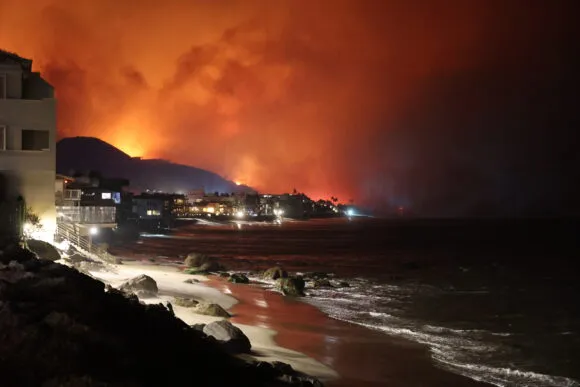
As the United States grapples with an unprecedented wildfire season, a growing concern is emerging regarding the ethics and implications of prediction markets that allow individuals to bet on the occurrence and severity of these natural disasters. A coalition of Democratic senators, led by Jeff Merkley of Oregon, has taken a stand by urging the Commodity Futures Trading Commission (CFTC) to impose stricter regulations on these markets. Their worry? That such betting could incentivize individuals to commit arson to profit from their wagers.
The senators’ letter to CFTC Chairman Michael Selig is not just a reaction to the recent uptick in wildfires, but rather a proactive measure to curb what they see as a potentially dangerous practice. With California's Palisades and Eaton fires generating over $1.2 million in trades on the Polymarket platform, the senators are questioning whether the CFTC will act to prohibit these bets on both domestic and offshore platforms. As wildfires become more frequent and severe, the stakes are higher than ever—both literally and figuratively.
Understanding Prediction Markets
Prediction markets are platforms where users can place bets on the outcome of future events. These markets have gained significant popularity over the past 18 months, offering a wide range of betting options from sports events to geopolitical happenings. However, the recent focus on natural disasters, specifically wildfires, raises critical ethical questions.
How Prediction Markets Work
In essence, prediction markets function similarly to a stock market, where users can buy shares in the outcomes they believe will occur. If the event occurs as predicted, bettors profit. For instance, if a user bets $10 that a wildfire will start in a specific area and it does, they might receive a payout based on the market value of that outcome. Conversely, if it doesn’t occur, they stand to lose their stake.
The Wildfire Betting Landscape
Platforms like Polymarket have expanded the scope of prediction markets to include wildfires, capitalizing on the public's interest in these looming threats. Another platform, Wyldfyre, has emerged, specifically focusing on California wildfires while emphasizing that it operates using "play money" rather than real financial stakes. This distinction attempts to sidestep regulatory scrutiny, but does little to alleviate the ethical concerns surrounding the commodification of natural disasters.
The Senators' Concerns
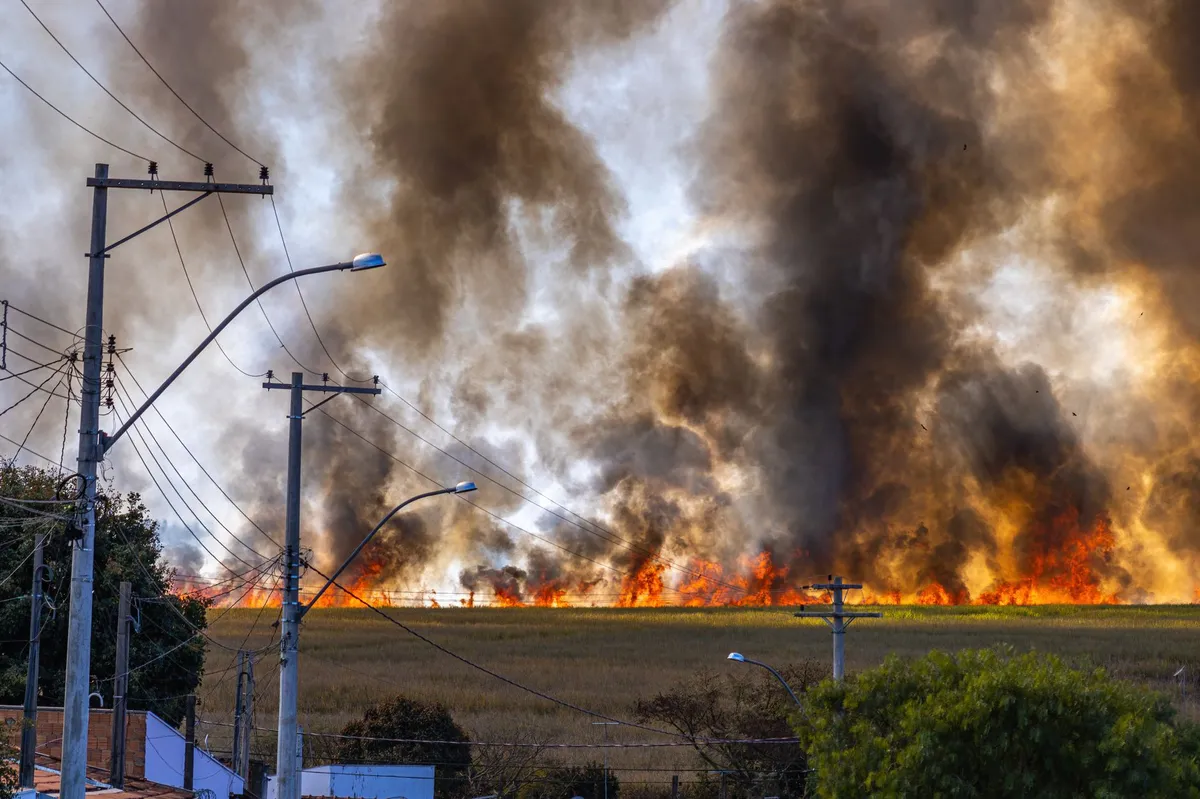
The senators' letter underscores a key issue: the potential for individuals to manipulate events for financial gain. With **wildfires predominantly caused by human actions**—including accidents and arson—the senators argue that allowing unrestricted betting on these events could create perverse incentives. This concern is particularly acute in states like California and Oregon, which have seen devastating wildfires in recent years.
Historical Context
The yearly wildfire season has become a hallmark of climate change's impact on the environment. In Oregon alone, approximately **1.7 million acres burned** through late July 2026, exacerbating air quality issues across the region. As these catastrophic events become more frequent, the moral implications of profiting from such tragedies are coming under heightened scrutiny.
Regulatory Framework
The CFTC is currently reviewing public input on proposals that could impose stricter regulations on prediction markets. This includes determining whether certain contracts, like those related to wildfires, are against the public interest. The agency currently views these markets as derivatives exchanges, meaning they fall under specific regulatory guidelines. However, the ambiguity surrounding the nature of bets on wildfires complicates matters.
Industry Response
In response to the growing concerns, some companies are taking a proactive stance. For instance, Kalshi, a federally-regulated prediction market, has opted not to include wildfire-specific contracts, citing the potential for harmful incentives. The company emphasizes the importance of responsible trading in natural disaster markets, which they view as fundamentally different from other types of events.
Expert Opinions
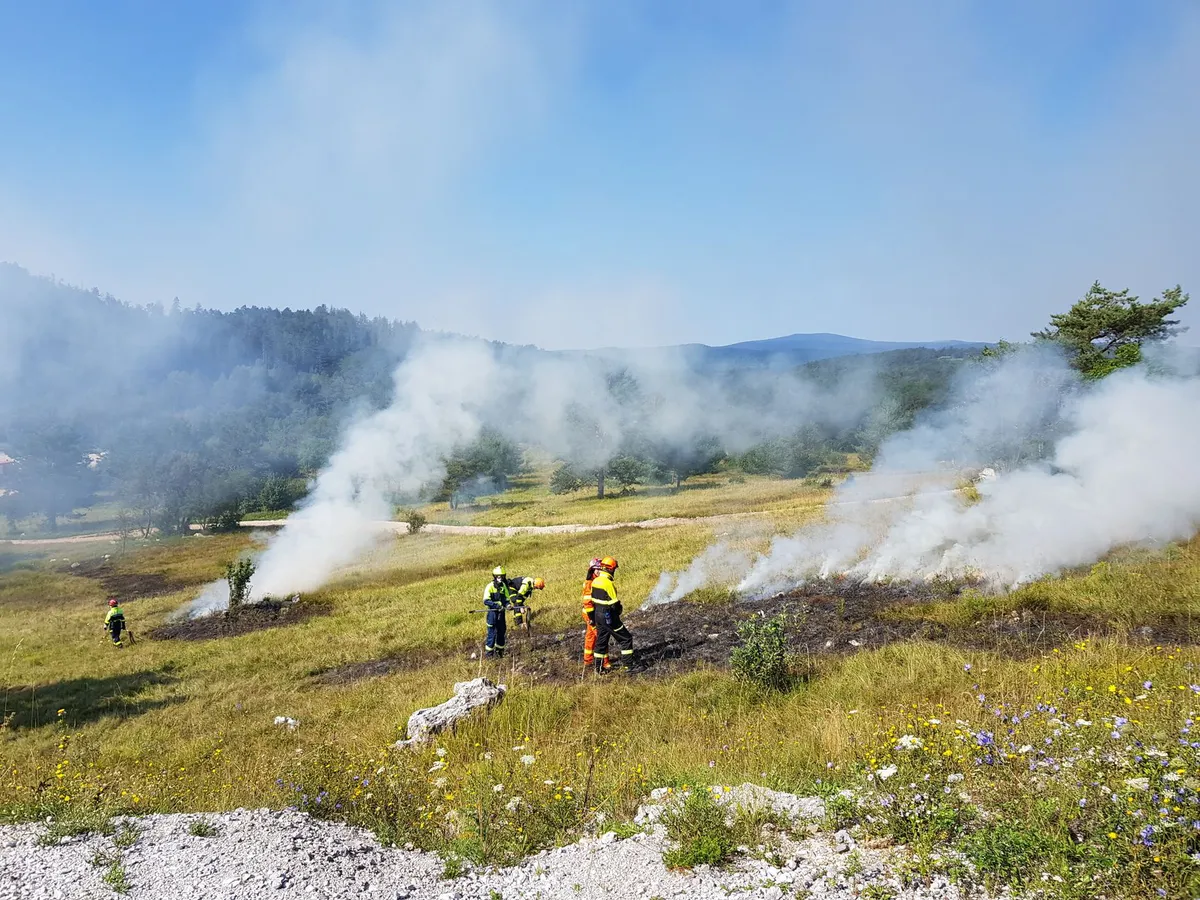
Experts in wildfire science, like Michael Gollner from the University of California, Berkeley, stress the importance of focusing on fire prevention rather than betting. Gollner notes that while most wildfires are accidental, the risk of arson must not be ignored. The ethical implications of betting on something as destructive as wildfires are significant, and many argue that these markets could undermine public safety efforts.
- Wildfires are primarily human-caused, presenting unique ethical dilemmas.
- Prediction markets on natural disasters differ in public perception from those on sports or politics.
- Legislative oversight is critical to ensure public safety is prioritized over profit.
Key Takeaways
- U.S. senators are pushing for regulation on wildfire prediction markets to prevent unethical betting.
- The rise in popularity of prediction markets raises ethical questions about profiting from disasters.
- Regulatory bodies like the CFTC are reviewing how to manage these emerging markets.
- Understanding the human causes of wildfires is essential to addressing the root of the issue.
Frequently Asked Questions
What are prediction markets?
Prediction markets are platforms that allow individuals to place bets on the outcomes of future events. These markets function similarly to stock exchanges, where users can buy shares in events they believe will occur. If the event happens, the bettor can profit based on the market value of that outcome.
Why are senators concerned about wildfire prediction markets?
Senators are concerned that allowing unrestricted betting on wildfires could create perverse incentives, potentially encouraging individuals to commit arson for financial gain. The ethical implications of profiting from natural disasters have raised alarms among lawmakers, prompting calls for regulatory action.
How does regulation affect prediction markets?
Regulation can impose necessary restrictions on prediction markets to prioritize public safety over profit. This includes defining what types of bets can be placed and ensuring that markets do not incentivize harmful behavior, such as arson in the case of wildfires.
Are there alternatives to betting on wildfires?
Yes, many organizations and researchers focus on wildfire prediction and prevention without the financial incentives associated with betting. This includes developing models to assess fire risk and implementing safety measures to mitigate the impact of wildfires on communities.
Comments
Insurer's Right to Void Policies: A Case Study on Misrepresentation
A recent New York appeals court ruling highlights the consequences of misrepresentation on insurance applications. Union Mutual Fire Insurance Company successfully voided policies after discovering a discrepancy in apartment counts, illustrating the importance of accurate disclosures.

Related articles

Popular in Business Insurance
- Surging War-Risk Insurance Rates in the Strait of Hormuz: What It Means for Shipping
- Ross & Yerger Insurance Faces Class Action Over Data Breach Allegations
- Howden Group's Ambitious Journey Toward IPO and Expansion
- Sompo Expands U.S. Workers' Compensation Portfolio with Service Insurance Acquisition
- Legal Battle Unfolds Over $1 Million Truck Crash Insurance Payout